Wooden Toys for Kids: The Science of Natural Play
Wooden toys for kids are not just a nostalgic choice; scientific research consistently demonstrates their profound advantages in stimulating holistic child development. Their natural composition and inherent simplicity activate crucial brain pathways that plastic or electronic alternatives often bypass. This direct engagement with simple, tangible objects is vital for building foundational cognitive and motor skills, aligning perfectly with Montessori principles for well-rounded growth.
Wooden toys are playthings crafted primarily from natural wood, designed to be simple, durable, and often open-ended, encouraging child-led exploration rather than prescribed play. This matters because their tactile nature, subtle scent, and robust feel provide rich sensory experiences crucial for developing neural connections. Indian parents can embrace these toys as timeless tools for fostering creativity, problem-solving, and independence from infancy.
The Sensory Advantage: How Natural Materials Boost Brain Development
Imagine a child, perhaps 18-month-old Rohan in his Bengaluru home, stacking a simple set of wooden blocks. He feels the smooth, cool surface against his skin, hears the satisfying 'clunk' as one block meets another, and even detects the faint, earthy scent of the natural wood. This multi-sensory engagement is far richer than interacting with uniform plastic. Research published by the American Academy of Pediatrics emphasizes the critical role of diverse sensory input in shaping a child's brain architecture during the crucial 'first 2,000 days' – a period experts now agree is paramount for lifelong health and development.
The gentle resistance and tactile feedback from a wooden block isn't just about feeling good; it's vital proprioceptive input that helps a child's brain map their body in space. This fundamental skill is essential for everything from developing fine motor control for handwriting to maintaining balance on the playground, often overlooked in the smooth, weightless world of plastic. This deep, natural interaction stimulates more neural connections, enhancing cognitive processing and sensory integration – laying a strong foundation for future learning.
Fostering Imagination: The Power of Open-Ended Wooden Play
One of the most profound benefits of wooden toys lies in their inherent simplicity, which actively encourages a child's imagination to do the heavy lifting. Unlike electronic toys with predetermined functions and flashing lights, a simple wooden peg doll or a set of wooden rings can transform into anything a child envisions – a king, a baby, a cooking ingredient, or a spaceship. This open-ended play is a cornerstone of cognitive development, pushing children like 3-year-old Anya from a joint family in Mumbai to invent narratives, solve problems, and create their own rules.
Studies on child development, including those from the Yale Child Study Center, highlight that toys which demand more from the child's imagination lead to higher levels of creativity and critical thinking. When a toy doesn't dictate how it should be played with, the child becomes the director, the storyteller, and the problem-solver. This 'science of wooden play' cultivates executive functions – planning, memory, and self-control – skills that are invaluable in navigating the complexities of school life and beyond. Explore our Montessori learning materials to see how open-ended play comes alive.
Durability & Focus: Why Wooden Toys Stand the Test of Time and Attention
In an era where attention spans are constantly challenged, the robust nature of developmental wooden toys offers a refreshing contrast. Their durability means they withstand years of enthusiastic play, becoming cherished heirlooms passed down through generations in Indian families. This longevity isn't just about saving money; it fosters a deeper, more sustained engagement with the toy itself. A child learns that objects are valued, can be repaired, and possess a permanence that disposable plastic often lacks.
Furthermore, the absence of overwhelming stimuli in wooden toys helps children develop focus and concentration. Without constant beeps, whistles, and flashing lights, a child can delve deeper into an activity, observing details, testing hypotheses, and enjoying the quiet satisfaction of mastering a skill. This focused engagement is crucial for developing what psychologists call 'flow state,' where learning and play become intrinsically rewarding, much like the intense concentration a child shows while building a complex structure with wooden blocks.
Montessori Wisdom: The Enduring Value of Wooden Toys
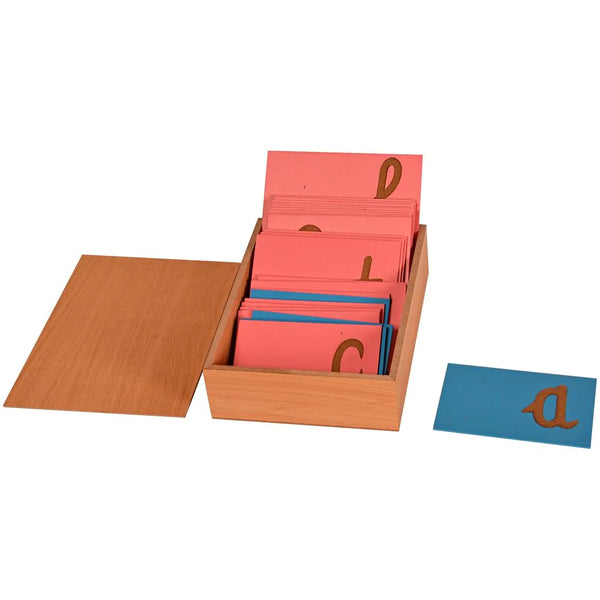
The philosophy of Maria Montessori intrinsically values natural materials, making Montessori wooden toys central to her approach to education. Montessori observed that children are naturally drawn to real, tangible objects that offer genuine sensory feedback. Materials like the Pink Tower, wooden geometric solids, and sandpaper letters are all meticulously crafted from wood, not just for aesthetics but for their educational efficacy.
These specific wooden materials are designed to isolate concepts, allowing a child to focus on one skill at a time – be it grading by size, understanding shapes, or tracing letters. This structured yet hands-on approach, deeply rooted in the 'science of wooden play,' empowers children to discover concepts independently, building self-confidence and a love for learning. It's a testament to how thoughtfully designed natural toys can be powerful instruments for cognitive and motor development. Discover our range of wooden puzzles for focused learning.
The Silent Language of Wooden Toys: Connecting with Brain Development
The current news buzz about the 'first 2,000 days' shaping lifelong health and brain development, and the power of laughter for a child's brain, underscores how deeply early experiences impact us. Natural toys for kids, particularly those made of wood, contribute to this in subtle yet profound ways. They encourage the kind of quiet, child-led exploration that strengthens neural pathways responsible for problem-solving and creativity, rather than passive reception of information.
Just as laughter triggers a cascade of positive brain chemicals, the satisfaction of fitting a wooden shape or building a sturdy tower stimulates reward circuits in the brain, fostering intrinsic motivation. These aren't just toys; they are carefully considered developmental tools that resonate with the innate curiosity of every child, helping them make sense of their world, one tactile experience at a time.
As you observe your child's play, notice how they interact with different textures and weights. Consider introducing a simple set of wooden stacking rings or building blocks tonight. Watch how they grasp, balance, and create, allowing their natural curiosity to lead the way. The profound impact of these seemingly simple interactions will surprise you, affirming the enduring power of natural play.