Board Games for Kids: Cultivating Healthy Habits
Board games for kids are powerful, accessible tools that actively cultivate healthy habits in Indian children by promoting critical thinking, social interaction, and physical engagement, offering a vital alternative to passive screen time. Research consistently shows that engaging in structured play significantly boosts cognitive development and emotional regulation, foundations for a balanced lifestyle. These games provide a tangible way for families in Bengaluru and across India to integrate wellness into daily life, moving beyond digital distractions towards more holistic growth.
Educational board games are structured play activities designed to teach specific skills, concepts, or social behaviours through interactive rules. This matters because they develop cognitive abilities, social-emotional intelligence, and lay foundations for healthy lifestyle choices. Indian parents can integrate these games into daily routines to reduce screen dependency and foster well-being.
Cultivating Active Play with Educational Board Games for Kids
In many Indian homes, particularly in bustling cities like Bengaluru, outdoor play space can be limited, making indoor activities crucial. This is where active play board games shine. While not physically strenuous like running, these games demand mental agility, quick reactions, and strategic thinking – all forms of active engagement. A game of memory or a quick-paced puzzle challenge stimulates brain activity as much as a physical sprint, enhancing neural pathways and cognitive speed.
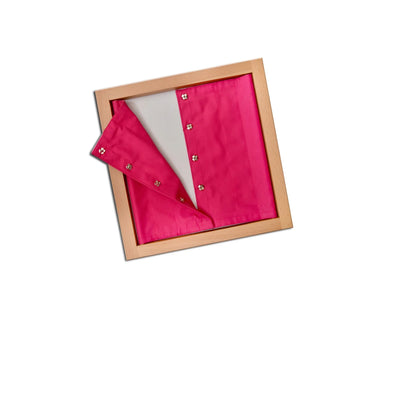
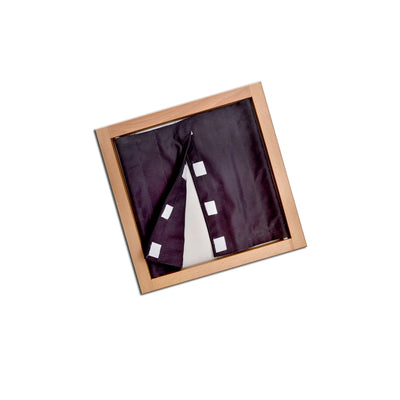
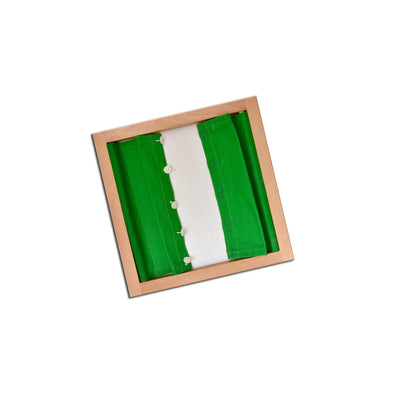
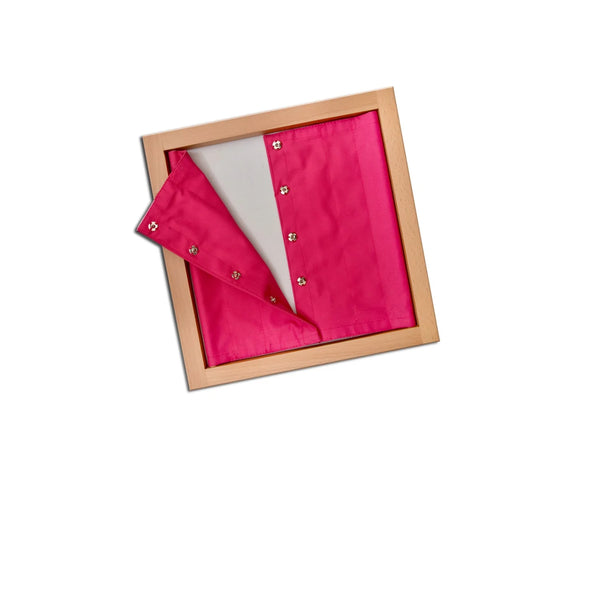
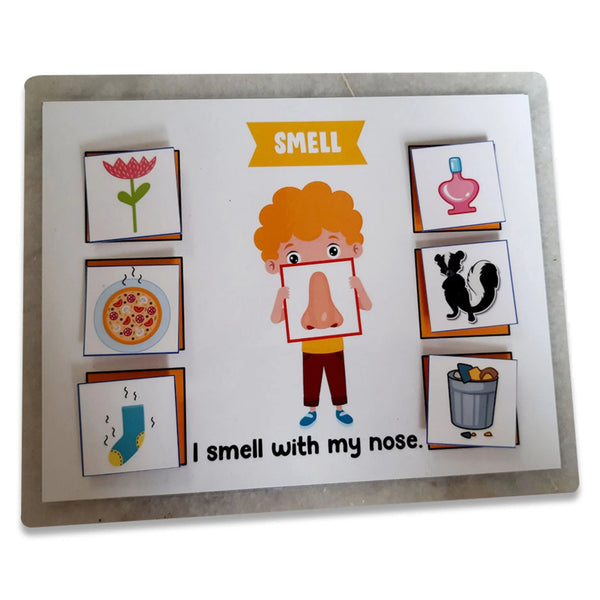
Child development experts agree that engaging multiple senses during play leads to stronger learning and better retention. Unlike passive screen consumption, board games require children to manipulate pieces, read cards, calculate moves, and react to others, offering rich proprioceptive and visual input. This hands-on interaction is fundamental to Montessori pedagogy, where learning materials are designed to be touched and explored. Consider exploring our collection of activity kits that encourage this multi-sensory engagement, often incorporating game-like elements.
Boosting Social Skills and Emotional Wellness Through Play
The shared experience of playing family board games for health is invaluable for emotional and social development. Sitting together, be it a nuclear family in a metro apartment or a joint family gathering for a festival, creates a unique space for interaction. Children learn vital social cues: taking turns, negotiating, understanding different perspectives, and most importantly, learning to win and lose gracefully.
The ability to handle disappointment, celebrate others' successes, and manage one's own emotions is a cornerstone of healthy emotional habits. Research from the Harvard Center on the Developing Child highlights the importance of responsive relationships in early childhood for building resilience. Board games provide a safe, structured environment for these interactions. When little Rohan in Chennai loses a game of Ludo to his grandfather, he learns that losing is part of the fun, and that the connection with his Thatha matters more than the outcome.
Mindful Eating and Healthy Choices: Healthy Habits Games for Kids
The current national focus on nutrition, exemplified by initiatives like Rashtriya Poshan Maah and the introduction of 'My Health World' books in UP schools, underscores the need for creative ways to teach healthy habits. Certain healthy habits games for kids can subtly introduce concepts of balanced diets, hygiene, and wellness without lecturing. Imagine a board game where players collect healthy food items to complete a balanced thali, or one that involves moving pieces through a daily routine of brushing teeth and exercising.
These games embed crucial lessons in a memorable, enjoyable format. For example, a game about farming and harvesting different crops can naturally teach a child about fruits, vegetables, and where their food comes from. The Indian Academy of Pediatrics (IAP) often stresses the importance of parental role-modeling and engaging children in conversations about healthy choices; board games offer a playful avenue for such dialogue.
The Montessori Advantage: Choosing the Right Board Games
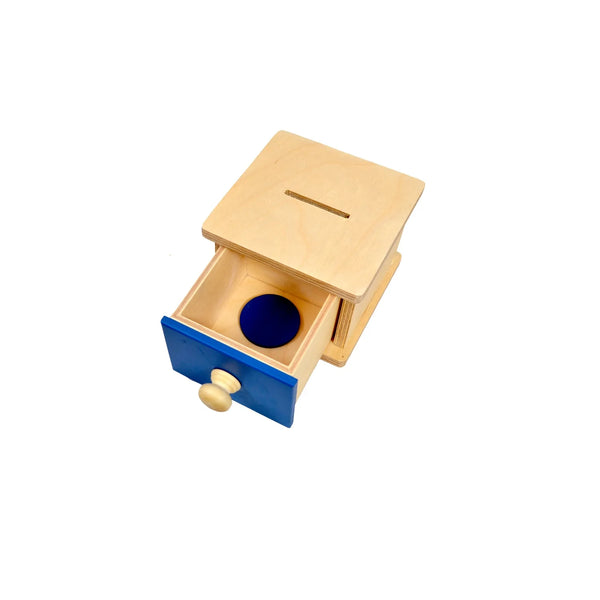
When selecting montessori board games, consider those that encourage independent thought, concentration, and logical progression. Maria Montessori emphasized learning through hands-on exploration and self-correction. Look for games with clear rules, tangible components, and opportunities for problem-solving. These often mirror the structure of Montessori materials, where the child can observe the consequence of their actions and learn from them directly.
For parents eager to introduce purposeful play, choosing games that align with developmental stages is key. A 3-year-old might thrive with a simple matching game, while a 6-year-old in Delhi could enjoy a strategic game like chess or a complex puzzle that challenges spatial reasoning. Such games not only build cognitive skills but also cultivate patience and persistence – critical healthy habits for tackling academic pressure later on. Explore our comprehensive collection of Montessori Method learning materials for toys that naturally foster these abilities.
Making Board Games a Family Tradition
Integrating board games into your family routine offers a powerful way to bond and instill healthy habits. It's not just about winning or losing; it's about the shared laughter, the discussions, and the quality time spent away from individual screens. This communal activity provides a healthy break from academic stress and the constant demands of modern life, offering mental relaxation and fostering stronger family connections.
Whether it's a simple game of Snakes and Ladders with grandparents on a Sunday afternoon or a more complex strategy game with older children, these interactions are building blocks for a well-rounded, emotionally intelligent, and healthy child. Make board game time a cherished tradition in your Indian home, nurturing healthy minds and happy hearts, one roll of the dice at a time.