Educational Toys for Lifetime Healthy Habits in Kids
Educational toys play a pivotal role in cultivating a lifetime of healthy habits in Indian kids by nurturing foundational skills like independence, self-regulation, and an intrinsic motivation for holistic well-being. Research consistently shows that engaging children in purposeful play from an early age significantly impacts their ability to make informed, healthy choices throughout their lives. This foundational engagement is crucial for developing sustained positive routines.
Cultivating healthy habits for children is the process of consistently teaching and reinforcing positive lifestyle choices across nutrition, physical activity, emotional regulation, and self-care. This matters immensely because early habits form the blueprint for lifelong health, preventing chronic issues and promoting overall well-being. Indian parents can effectively initiate this by integrating thoughtfully chosen educational toys into their child's daily routine, turning learning into a joyful, impactful journey.
Building Foundational Healthy Habits with Educational Toys
Child development experts agree that children learn best through hands-on experience and self-directed exploration. Montessori toys, in particular, are designed to foster concentration, fine motor skills, and problem-solving abilities, all of which indirectly contribute to healthy habits for kids. When a child independently manipulates a puzzle or organizes objects by size, they are not just playing; they are building the cognitive pathways for decision-making and self-control.
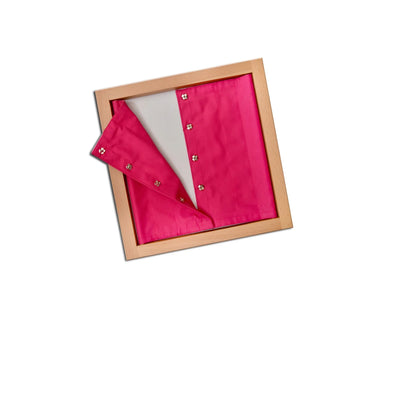
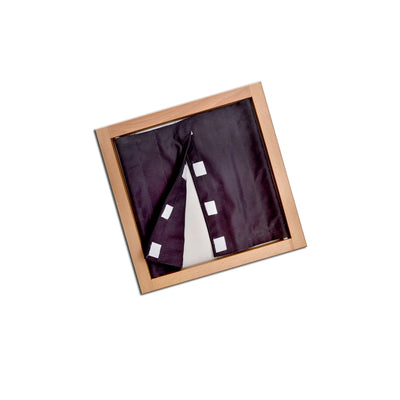
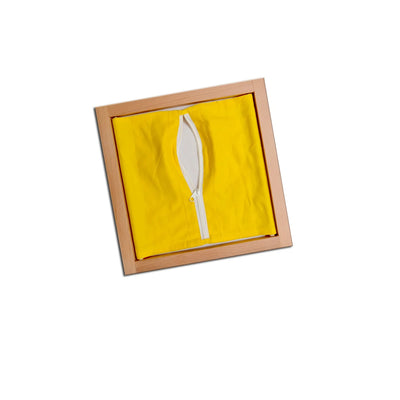
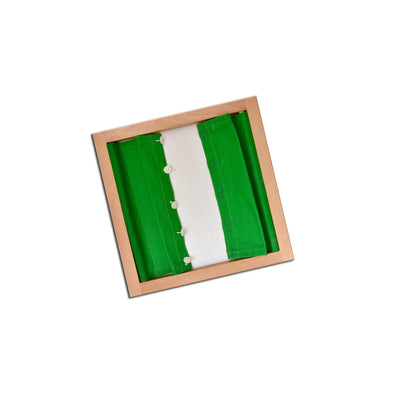
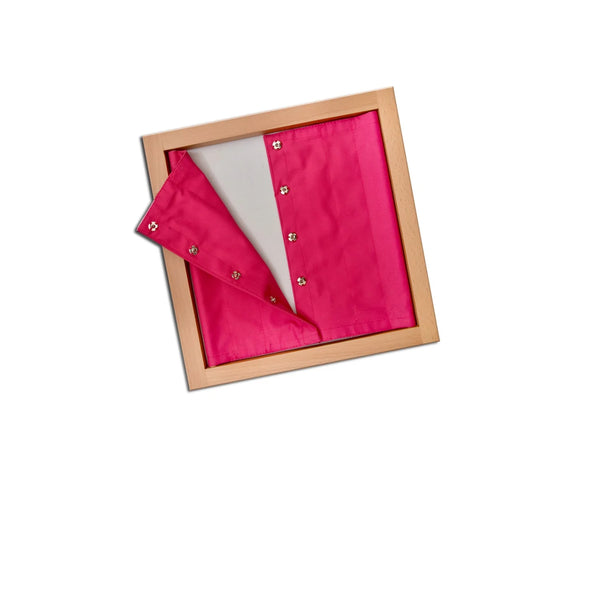
For instance, practical life materials, a cornerstone of the Montessori philosophy, involve activities like pouring water, buttoning clothes, or sweeping. These activities, often found in various activityKits, teach children responsibility, order, and the satisfaction of completing tasks. These skills are directly transferable to managing their own routines, such as preparing a simple snack or tidying their play area, thereby embedding the concept of self-care and order from a young age.
Fostering Nutritional Awareness & Mindful Eating with Kids Learning Toys
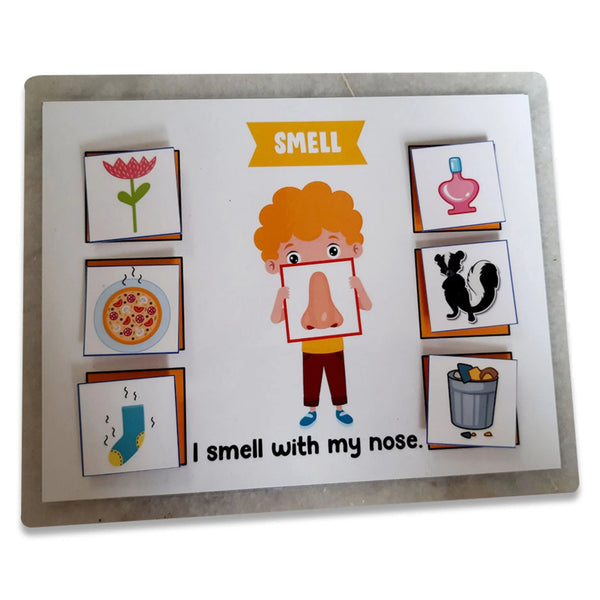
The journey towards healthy eating habits begins long before a child sits at the dinner table. Engaging kids learning toys can transform mealtime struggles into opportunities for discovery and positive association with food. Sensory sorting games with different food items (real or toy replicas) help children identify colours, shapes, and textures, making them more familiar and less apprehensive about trying new foods.
Toy kitchens and play food sets encourage imaginative role-play where children can "cook" and "serve" meals, learning about ingredients and meal preparation in a fun, non-pressured environment. This approach aligns with the spirit of initiatives like the 'nutrition prayer' promoted by India Gate basmati rice and the 'My Health World' book in UP schools, both aiming to inculcate healthier eating habits. By simulating real-life scenarios, these Montessori toys healthy habits are nurtured through hands-on engagement, encouraging children to explore a balanced diet and understand where food comes from.
Encouraging Active Play & Physical Development through Child Development Toys
In an age where screen time often dominates, promoting consistent physical activity is paramount. Child development toys designed for gross motor skills, such as balance boards, push carts for toddlers (18-24 months), and building blocks, encourage movement, coordination, and strength. Studies indicate that regular physical activity in childhood is directly linked to better cognitive function and emotional regulation.
These interactive toys motivate children to move their bodies, improving their balance, agility, and overall physical stamina. Instead of passive entertainment, these materials provide an outlet for natural energy, reducing sedentary habits and fostering a love for active play. This proactive engagement helps children understand the importance of movement, setting a robust foundation for long-term healthy habits and combating childhood obesity.
Nurturing Emotional Well-being and Self-Care for Long-Term Healthy Habits
Healthy habits extend beyond just diet and exercise; emotional well-being and self-regulation are equally critical for a balanced life. Educational toys that encourage imaginative play, like dolls, puppets, or open-ended building materials, allow children to express emotions, resolve conflicts, and develop empathy. This emotional literacy is a powerful tool for managing stress and building resilience.
Practical life activities, such as pouring, scooping, or even simple dressing frames, also teach self-care and patience, contributing to a child's sense of accomplishment and self-worth. Establishing routines with these toys, like tidying up after play or preparing for rest time, helps children understand structure and the importance of sleep, which is fundamental for overall health. Maria Montessori herself emphasized the importance of a prepared environment in fostering inner discipline and peace.
Developing Long-Term Healthy Habits: A Lifelong Journey
The impact of engaging with quality educational toys transcends childhood, laying groundwork for truly long-term healthy habits. When children learn to make choices, solve problems, and care for themselves and their environment through play, these skills become ingrained. This translates into adolescents making healthier food choices at school, adults prioritizing exercise, and individuals possessing the emotional tools to navigate life's challenges.
Indian families, often with the loving influence of grandparents, can integrate these learning materials into daily life, creating a consistent environment that values purposeful activity over passive consumption. By choosing a diverse range of materials from the main SkilloToys collection, parents are investing in more than just toys; they are investing in their child's holistic development and a future filled with mindful, healthy living. This commitment ensures that the lessons learned during play resonate through a lifetime.
- Educational toys foster independence, self-regulation, and decision-making for healthier choices.
- Montessori-aligned toys promote mindful eating and active participation in food preparation.
- Engaging learning toys encourage gross motor skill development and consistent physical activity.
- Child development toys cultivate emotional intelligence, resilience, and positive self-care routines.
- Early engagement with purposeful toys lays a robust foundation for lifelong well-being in children.
- A consistent, play-based approach in Indian homes ensures lasting healthy habits.
How do educational toys specifically help with picky eating?
Educational toys help with picky eating by making food exploration fun and non-threatening. Play kitchens, food sorting games, and real-life practical activities involving fruits and vegetables help children become familiar with different foods, reducing their apprehension and increasing their willingness to try new things.
What are the best Montessori toys for active play?
The best Montessori toys for active play include balance boards, push carts, climbing arches, and large wooden blocks. These items encourage gross motor skill development, coordination, and strength, fostering a love for movement and physical activity from an early age in a self-directed manner.
Can learning toys improve a child's sleep habits?
Yes, learning toys can improve a child's sleep habits by establishing routines and promoting a sense of calm and order. Activities that encourage focus and concentration before bedtime, like puzzles or practical life tasks, can help wind down the child, while the discipline of tidying up toys reinforces a structured bedtime routine.
How do child development toys teach emotional regulation?
Child development toys teach emotional regulation by providing outlets for expression and problem-solving. Through imaginative play with dolls, puppets, or building scenarios, children can act out feelings, practice social interactions, and learn to navigate emotions in a safe, constructive environment, building crucial emotional intelligence.
Why are Montessori toys considered ideal for cultivating long-term healthy habits?
Montessori toys are considered ideal for cultivating long-term healthy habits because they are designed to foster independence, self-direction, and an intrinsic love for learning and purposeful activity. This approach empowers children to make conscious, healthy choices across all aspects of their lives, from nutrition to emotional well-being, translating into lasting positive behaviours.