Exposing Children to Diverse Flavours: Montessori for Indian Foodies
In a recent news story, Priyanka Chopra Jonas affectionately called her daughter Malti Marie a 'foodie', sparking conversations among parents across India about exposing children to different flavours. Many Indian parents, just like those in Bengaluru and beyond, share this aspiration: to raise children who delight in the diverse, vibrant tastes of our cuisine, from the tangy sambar of the South to the rich curries of the North.
Exposing children to different flavours involves a deliberate, gentle process of introducing a wide variety of tastes, textures, and aromas into their diet from an early age. This matters immensely because it helps develop a broad, healthy palate, prevents picky eating, and ensures children receive diverse nutrients. Indian parents can achieve this by embracing child-led exploration and practical life skills at mealtime.
Montessori Healthy Eating: Nurturing Curiosity, Not Coercion
Maria Montessori's philosophy, centred on respecting the child's innate drive for independence and learning, offers a powerful framework for developing healthy eating habits. Rather than forcing children to eat, Montessori encourages curiosity and autonomy, transforming mealtimes into joyful learning experiences. This approach is particularly effective for Indian families, where diverse food traditions can sometimes lead to pressure at the dining table.
Child development experts agree that offering children control over what they eat, within healthy boundaries, fosters a positive relationship with food. For instance, a 3-year-old in a joint family might feel overwhelmed by everyone insisting they try a bit of every dish. Montessori suggests offering small portions and allowing them to choose, reducing conflict and fostering independence.
Introduce New Foods to Toddlers India: The Power of Practical Life Skills
One of the most effective ways to introduce new foods to toddlers in India is by involving them in the entire food journey, from market to plate. Practical life activities, a cornerstone of Montessori education, translate beautifully into the kitchen. Imagine Aarav, a 2-year-old in a Bengaluru apartment, helping his grandmother wash fresh spinach or carefully tearing mint leaves for chutney.
This hands-on engagement creates familiarity and a sense of ownership over the food. Studies indicate that children are significantly more likely to try foods they have helped prepare. Consider providing child-sized cutting tools (blunt knife for soft foods) or a small pouring jug for water, turning simple kitchen tasks into engaging activity kits for learning.
Picky Eating Solutions India: Engaging All Five Senses
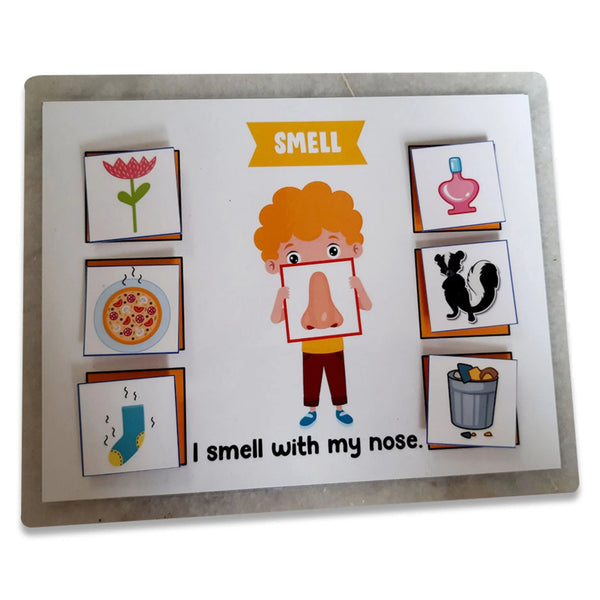
Picky eating solutions in India often focus on hiding vegetables or bribing children, but Montessori offers a more sustainable approach: sensory exploration. Before tasting, children explore food with their eyes, nose, and hands. The aroma of cardamom in a kheer, the vibrant colours of a vegetable biryani, or the smooth texture of fresh paneer all provide sensory input.
Encourage your child to touch, smell, and describe foods without any pressure to eat them. Let them help sort lentils by colour, feel the different textures of rice varieties, or identify the smells of various spices in small bowls. This multisensory engagement builds comfort and curiosity, paving the way for eventual tasting.
Fostering Independence at the Dining Table
The Montessori principle of 'help me to do it myself' extends directly to mealtime. Instead of spoon-feeding or coaxing, empower your child to serve themselves. Offer small, manageable portions of different dishes in separate bowls, allowing them to choose what and how much they want to eat.
This 'deconstructed meal' approach is excellent for toddlers, especially when introducing new foods. For example, serve a deconstructed dosa with separate bowls of potato filling, chutney, and sambar. Your child can explore each component individually, reducing the sensory overwhelm that often contributes to picky eating.
Consistency and Patience: The Indian Way of Nurturing
In the bustling Indian home, with grandparents often offering treats and extended family gatherings, maintaining consistent healthy eating habits can be a challenge. However, consistency in offering diverse foods without pressure is paramount. Research shows that a child might need to be exposed to a new food 8-15 times before accepting it.
Avoid battles over food. Instead, celebrate small victories, like touching a new vegetable or smelling a new spice. Make mealtimes a relaxed, family affair where everyone enjoys their food, modelling positive eating behaviour. This approach to child nutrition in India aligns with the gentle, nurturing aspects of our culture.
Educational Toys for Healthy Eating: Beyond the Kitchen
While direct kitchen involvement is key, certain educational toys can also subtly support healthy eating habits and expose children to food concepts. Montessori materials that focus on sorting, classifying, and fine motor skills can be adapted to food themes. For instance, a sorting activity with different coloured beans or grains can indirectly introduce them to various food types.
Toys that represent fruits and vegetables, especially realistic ones, allow children to role-play and learn names, colours, and textures. This playful engagement builds familiarity and positive associations with healthy foods, making the transition to real food exploration smoother and more enjoyable for young learners.