India Gate Nutrition Prayer: Mindful Eating Habits for Indian Kids
Mealtime in Indian homes is far more than just sustenance; it's a foundational ritual. The recent launch of the India Gate nutrition prayer offers a culturally resonant approach for Indian parents to cultivate mindful eating and gratitude in their children, fostering healthier habits from a young age.
This initiative by India Gate basmati rice, widely reported by news outlets like Adgully.com, aims to instill respect for food and the act of eating. By integrating such mindful practices, families can guide children toward a deeper appreciation for their meals and a better understanding of nutrition.
What is Mindful Eating & Gratitude for Children?
Mindful eating for kids India refers to teaching children to pay attention to their food, recognizing hunger and fullness cues, and savoring each bite without distraction. This matters immensely because it helps prevent overeating, encourages healthier choices, and fosters a positive relationship with food. Indian parents can implement this by making mealtimes calm, engaging, and screen-free experiences.
The India Gate Nutrition Prayer: A Culturally Rich Approach
The India Gate nutrition prayer campaign provides a structured yet simple way to introduce gratitude and mindfulness before meals. This initiative taps into India's rich tradition of blessings and prayers before consuming food, making it instantly relatable to Indian families. Child development experts agree that rituals provide comfort and predictability for children, and a mealtime prayer can transform eating into a sacred, appreciative act.
By pausing to offer gratitude, children learn to acknowledge the source of their food, the effort involved in preparing it, and its role in nourishing their bodies. This ritual can significantly reduce fussy eating and encourage children to try new foods with a more open and respectful mindset, promoting healthy eating rituals children will carry forward.
Montessori Principles for Healthy Eating Rituals Children Can Embrace
The Montessori philosophy, pioneered by Maria Montessori, places a strong emphasis on practical life skills, and this extends beautifully to food education. For children aged 18-24 months and beyond, involving them in age-appropriate meal preparation fosters independence and respect for food. This hands-on Montessori food education can include tasks like washing vegetables, setting the table, or serving themselves from child-sized pitchers and bowls.
Studies indicate that children who participate in food preparation are more likely to eat fruits and vegetables and less likely to be picky eaters. SkilloToys offers a range of activityKits that include child-friendly kitchen tools and practical life materials, making these experiences accessible and engaging. This active involvement helps children understand the journey of food from farm to table, fostering a deeper connection to what they eat.
Practical Steps for Gratitude at Mealtime in Indian Homes
Cultivating gratitude at mealtime goes beyond just a prayer; it's about embedding a culture of appreciation. Research shows that regular family mealtimes, especially those involving conversation and shared rituals, are linked to higher self-esteem and healthier dietary patterns in children. Here are practical ways Indian families can foster this:
- Involve Them Early: Even toddlers can help pick out vegetables at the market or stir ingredients.
- Daily Dhanyawad: Encourage a simple 'Dhanyawad' (thank you) before eating, expressing gratitude for the food and those who prepared it.
- Mindful Conversation: Ask children about their favorite part of the meal or what ingredients they recognize, connecting them to their food.
- Limit Distractions: Make mealtimes screen-free zones to encourage focus on food and family interaction.
- Role Modelling: Parents and grandparents showing gratitude sets a powerful example for younger generations.
These practices, whether it's the India Gate nutrition prayer or simple family traditions, help create a positive and respectful relationship with food. The Uttar Pradesh schools' initiative to introduce 'My Health World' books also underscores the growing importance of inculcating healthy habits in children across India.
Fostering Healthy Habits with Educational Toys
Educational toys play a crucial role in reinforcing healthy habits, including those related to food and nutrition. Role-playing with play kitchen sets or realistic food items allows children to experiment with meal preparation, understand portion sizes, and learn about different food groups in a fun, pressure-free environment. These are excellent for developing 'educational toys healthy habits.'
For instance, sorting games involving food models can teach about fruits, vegetables, grains, and proteins. Such play-based learning helps children internalize concepts of balanced meals and healthy choices long before they are ready for formal nutritional education. SkilloToys offers a diverse collection of Montessori Method Learning Materials & Toys designed to support holistic child development, including practical life skills essential for healthy eating.
Embracing the spirit of the India Gate nutrition prayer means more than just reciting words; it means cultivating a lifestyle where food is respected, appreciated, and understood. By integrating mindful eating practices, Montessori principles, and supportive educational tools, Indian parents can empower their children with healthy habits that will last a lifetime.
- The India Gate nutrition prayer promotes mindful eating and gratitude, aligning with traditional Indian values.
- Montessori food education emphasizes practical life skills, fostering independence and respect for food in children.
- Regular family mealtimes significantly contribute to children's emotional well-being and healthier eating habits.
- Involving children in meal preparation enhances their connection to food and willingness to try new items.
- Gratitude at mealtime, through prayers or simple thanks, builds appreciation and reduces food waste.
- Educational toys, like kitchen sets, reinforce healthy eating habits through imaginative play and learning.
What is the India Gate nutrition prayer?
The India Gate nutrition prayer is a recent initiative by India Gate basmati rice designed to encourage healthier eating habits among children. It introduces a mindful ritual before meals, focusing on gratitude and understanding the nutritional value of food, reflecting Indian cultural traditions.
How can I introduce mindful eating to my child?
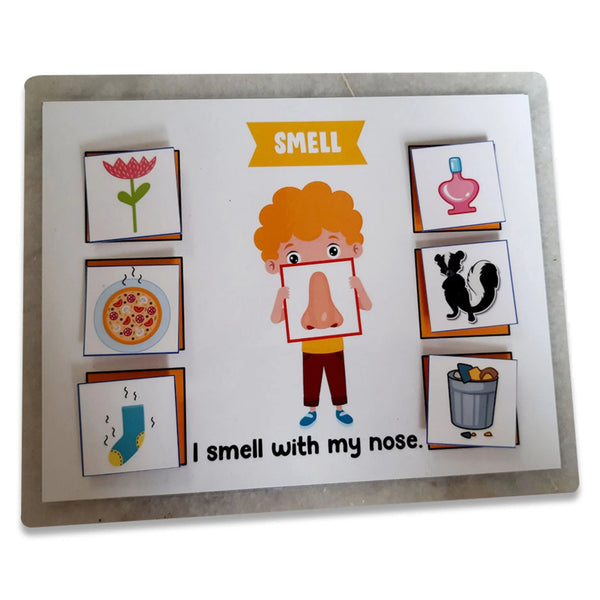
Introduce mindful eating by encouraging your child to engage all senses while eating, asking them about the food's taste, texture, and smell. Limit distractions during meals, involve them in meal preparation, and practice gratitude before eating, such as through a simple prayer or thanks.
What are the benefits of gratitude at mealtime for children?
Gratitude at mealtime helps children develop a positive relationship with food, appreciate the efforts behind their meals, and foster a sense of contentment. It can also reduce picky eating, promote healthier choices, and instill respect for resources, aligning with Indian values of 'Annadata Sukhi Bhava.'
How do Montessori principles support healthy eating habits?
Montessori principles support healthy eating by promoting practical life skills, allowing children to participate actively in food preparation, serving, and cleanup. This involvement fosters independence, respect for food, and an understanding of nutrition through hands-on experience, making them more invested in healthy choices.
Which educational toys help teach healthy eating?
Educational toys like play kitchen sets, food sorting games, and realistic food replicas help children learn about different food groups, meal preparation, and healthy choices through imaginative play. These tools, found in Montessori activityKits, reinforce concepts of nutrition and balanced eating.