Instilling Healthy Eating Habits: Montessori Ways for Indian Kids
Instilling healthy eating habits in Indian children is most effectively achieved through a Montessori-inspired approach, fostering independence and mindful engagement with food from an early age. This method empowers kids to develop positive relationships with nutrition, crucial for their lifelong well-being amidst growing concerns about childhood health, echoing national initiatives like those from Sesame Workshop and Abbott.
For Indian parents navigating the balance of traditional foods, festive indulgences, and modern nutritional advice, this guide offers practical strategies. We move beyond just recipes or lunchbox ideas to address the foundational 'how-to' of habit formation, leveraging the power of Montessori education.
What is Montessori Food Education?
Montessori food education is a child-centred approach that empowers children to actively participate in food preparation, serving, and choice-making, fostering independence and healthy eating habits for kids. It respects the child's innate drive to learn and contribute, viewing mealtimes as opportunities for growth and skill development. This matters because it cultivates a positive, lifelong relationship with food.
Empowering Child Independence: The Montessori Kitchen for Indian Homes
Child development experts agree that involving children in meal preparation significantly increases their willingness to try new foods. In an Indian household, this means creating a 'prepared environment' where even a toddler can contribute. Think about a low stool for washing vegetables, child-safe knives for soft fruits, or dedicated shelves for their plates and glasses.
By allowing children to peel a boiled potato for aloo sabzi or mix spices for dal, we empower them to take ownership of their meals. These practical life skills, a cornerstone of Montessori philosophy, build confidence and fine motor coordination. SkilloToys offers a range of activityKits that can extend this learning beyond the kitchen, teaching concentration and practical skills.
Maria Montessori observed that children thrive when given purposeful work. This extends to helping set the dining table or serving themselves a small portion of rice or curry from a child-friendly bowl. This autonomy is crucial for building positive eating habits in India, where communal meals are central to family life.
Cultivating Positive Eating Habits in India: Respecting the Child's Pace
Positive eating habits India are not about force-feeding or strict portion control, but about fostering an internal locus of control. Studies indicate that children who eat regular family meals tend to have healthier dietary patterns. This is particularly relevant in joint families, where mealtimes are often shared experiences.
Allowing a child to decide how much they eat from what is offered teaches them to listen to their body's hunger and satiety cues. This contrasts sharply with the common parental concern of ensuring 'enough' food, often leading to power struggles. Respecting their 'no more' helps prevent overeating and develops self-regulation.
When grandparents offer traditional sweets or snacks, gentle conversations about moderation and balance can be had, ensuring cultural respect while maintaining a healthy routine. The goal is to make healthy eating a natural, unpressured part of daily life, not a battle.
Making Healthy Choices Kids Can Understand: A Prepared Food Environment
To help children in making healthy choices kids can consistently make, the environment must be supportive. This means offering nutrient-dense foods predominantly and making healthy options easily accessible. For example, a low shelf in the refrigerator stocked with cut fruits, a bowl of sprouts, or a small water jug allows for independent snacking.
Think of it like the Montessori 'pink tower' where specific, ordered materials guide learning; similarly, a diverse, colourful array of fruits and vegetables visually educates. When children have immediate access to healthy choices, they are more likely to pick them. Avoid keeping processed snacks as default options.
Labelling food items (e.g., a picture card for 'apple' or 'roti') can connect food with language, much like Montessori's Montessori Method Learning Materials, enhancing cognitive engagement with what they eat. This proactive approach sets children up for success, rather than constantly battling unhealthy temptations.
Montessori Food Education Beyond the Plate: Sensory Exploration
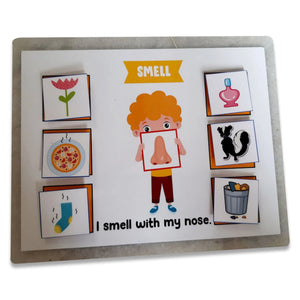
Montessori food education extends beyond just eating; it embraces the full sensory experience of food. Encourage your child to touch, smell, and observe their food before eating. How does a mango feel? What does ginger smell like? These explorations build curiosity and reduce pickiness.
Involve them in gardening, even if it's just a small pot of tulsi or coriander on the balcony. Connecting food to its source fosters appreciation and understanding. Research shows that children who grow their own food are more likely to eat fruits and vegetables.
Discuss where food comes from, the farmers who grow it, and the journey it takes to reach their plate. This holistic understanding makes the act of eating a rich, educational experience, embedding the value of nutrition deeply within their consciousness. Such foundational understanding helps children connect with their food and make informed decisions.
Conclusion
Instilling healthy eating habits is a journey, not a destination, especially in the vibrant and diverse food landscape of India. By embracing Montessori-inspired strategies, parents can empower their children with independence, respect for their bodies, and a positive relationship with food. SkilloToys believes in nurturing the whole child, and healthy eating is a cornerstone of this holistic development. Equip your child with the skills to make positive choices for life, one mindful meal at a time.
- Montessori principles foster child independence in eating, reducing mealtime struggles.
- Involving children in meal preparation significantly increases their willingness to try new foods.
- Respecting a child's hunger and satiety cues prevents overeating and develops self-regulation.
- A prepared environment with accessible healthy options empowers children to make positive food choices.
- Sensory exploration of food, from farm to table, builds appreciation and reduces pickiness.
- Consistency in positive eating habits, even amidst cultural traditions, is vital for lifelong health.
How can I encourage my child to try new Indian vegetables?
You can encourage your child to try new Indian vegetables by involving them in the preparation process, from washing to tearing leafy greens. Offering small, attractive portions alongside familiar foods, without pressure, often leads to greater acceptance over time.
What role do grandparents play in fostering healthy eating habits?
Grandparents play a vital role in fostering healthy eating habits by sharing traditional knowledge of nutritious foods and cooking methods. Gentle discussions about balanced nutrition, while respecting cultural practices, can ensure consistent messaging for the child.
How do Montessori principles address picky eating in children?
Montessori principles address picky eating by empowering children with choices within healthy boundaries, promoting independence in serving, and involving them in food preparation. This approach reduces power struggles and fosters a positive, curious relationship with food, rather than force-feeding.
When is the right age to start involving my child in meal preparation?
The right age to start involving your child in meal preparation is typically around 18-24 months, beginning with simple tasks like washing vegetables or stirring ingredients. As they grow, their involvement can expand to more complex activities, fostering a lifelong connection with food.
How can I balance traditional Indian sweets with healthy eating habits?
You can balance traditional Indian sweets with healthy eating habits by treating them as occasional treats, especially during festivals or special family gatherings. Focusing on nutrient-dense meals daily and teaching moderation helps children understand that all foods have a place, but some are for celebration.