Montessori Educational Toys: Nurturing Healthy Habits in Indian Kids
Indian parents are increasingly seeking effective ways to nurture holistic healthy habits in their children, from balanced eating to active play. Fortunately, Montessori educational toys offer a proven approach to cultivating these essential life skills, empowering children to develop independence, concentration, and practical abilities right from home in Bengaluru and across India. These thoughtfully designed materials foster self-directed learning, directly supporting positive eating habits, encouraging physical activity, and building crucial self-care routines that last a lifetime.
What are Montessori Educational Toys?
Montessori educational toys are specifically designed materials that promote self-directed, hands-on learning, allowing children to discover concepts at their own pace. They are characterized by their purposeful design, natural materials, and built-in self-correction mechanisms. This approach matters because it respects the child's innate drive for exploration and mastery, laying a solid foundation for independent thought and action. Indian parents can use these toys to create a ‘prepared environment’ at home, encouraging their child's natural development.
Fostering Positive Eating Habits & Child Nutrition with Montessori
Child development experts agree that involving children in the process of food preparation significantly improves their relationship with food and encourages better nutrition. The recent initiative by India Gate basmati rice to promote healthier eating habits, much like Uttar Pradesh schools introducing ‘My Health World’ books, highlights the national focus on this critical area. Montessori educational toys translate this philosophy into action.
Materials like child-sized pitchers, spoons, and cutting tools allow toddlers (typically 18-36 months) to participate in practical life activities. Imagine 3-year-old Anya in a Bengaluru home, carefully pouring water from a small jug into her glass, or helping her dadi wash vegetables for dinner. This isn't just play; it’s building fine motor skills, concentration, and a direct connection to what she consumes. When a child helps prepare a simple fruit salad or knead dough for a small roti, they are more likely to taste and appreciate the food.
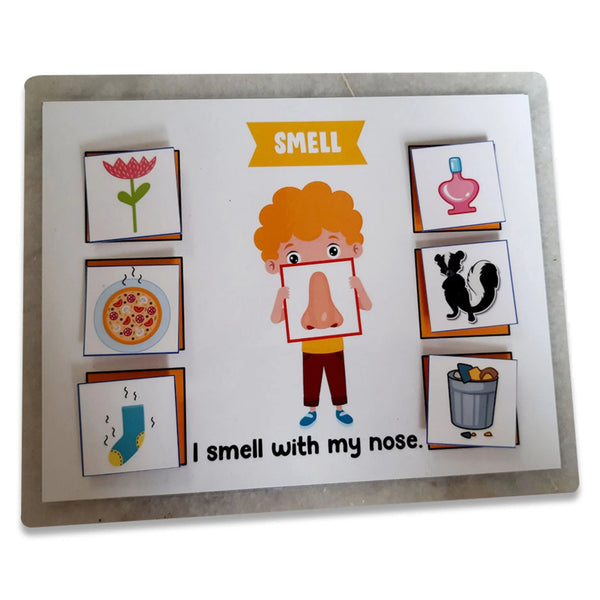
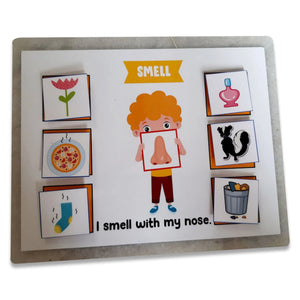
The sensory exploration inherent in Montessori also extends to food. Offering a variety of fruits and vegetables – allowing the child to touch, smell, and observe their colours and textures – creates a positive association, moving beyond just "eating your greens." This hands-on engagement counters common issues like picky eating, which is a concern for many parents, as highlighted by reports on malnutrition and obesity in cities like Delhi.
Encouraging Active Play and Physical Development
Montessori educational toys inherently encourage active, purposeful play, which is vital for gross motor development and overall physical health. Unlike many electronic toys that require passive interaction, Montessori materials demand physical engagement.
For instance, activities like building a Pink Tower or walking the line (a common Montessori classroom activity) refine coordination, balance, and spatial awareness. Even seemingly simple tasks, like carrying a tray with materials or manipulating large wooden blocks, strengthen muscles and improve proprioception. Research shows that children engaged in open-ended play develop stronger problem-solving skills and are more physically active compared to those with toys that dictate play.
In urban Indian settings where outdoor space might be limited, these Montessori Method learning materials provide essential opportunities for movement and physical challenge within the home. Instead of mindlessly scrolling, a child might spend focused time arranging graduated cylinders or stacking large geometric solids, engaging both mind and body.
Cultivating Independence in Self-Care and Daily Routines
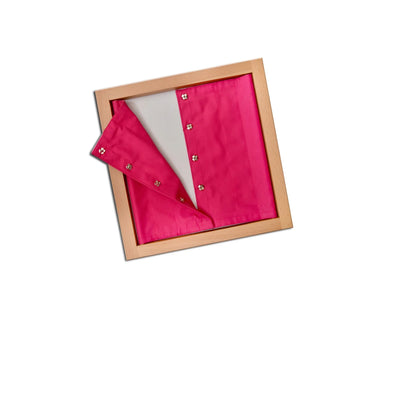
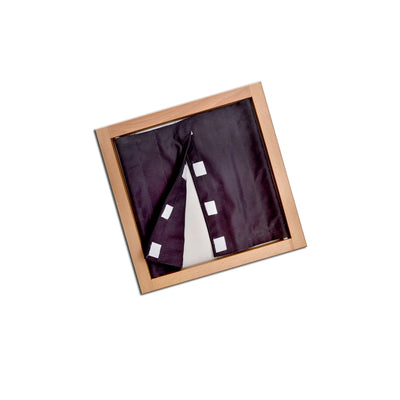
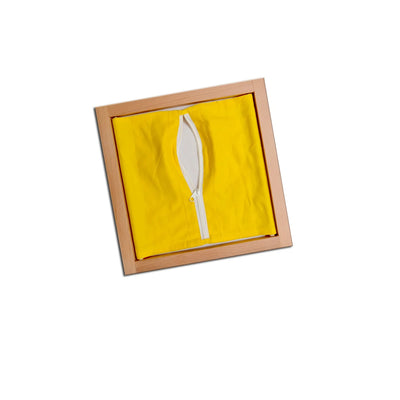
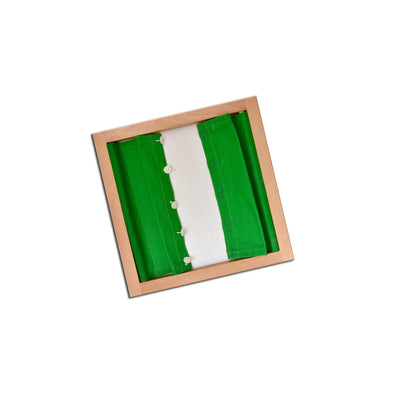
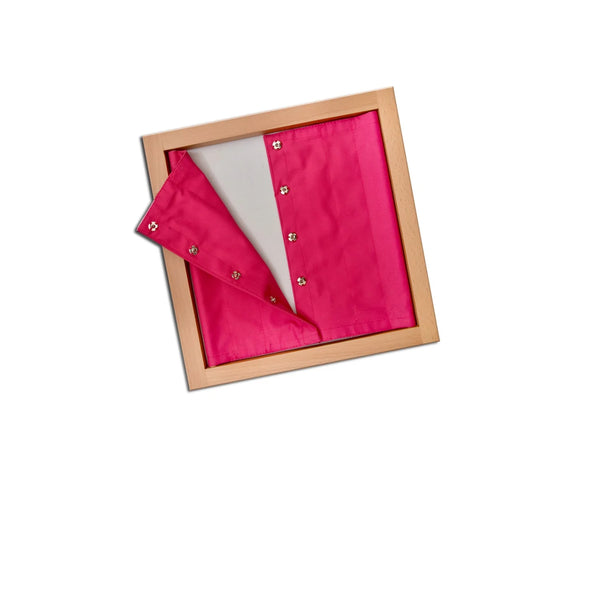
A core tenet of Montessori education is fostering independence – "Help me to do it myself." This translates directly into healthy self-care habits and adherence to daily routines, crucial for well-being including sleep patterns. Materials like dressing frames (for buttons, zippers, buckles) empower children to dress themselves, boosting confidence and practical skills.
Furthermore, practical life activity kits can include tasks like sweeping, dusting, or washing dishes, allowing children to contribute meaningfully to the household. When a 4-year-old learns to put away their own toys after play, or place their clothes in the laundry basket, they internalize the concept of order and responsibility. This self-reliance extends to managing bedtime routines – brushing teeth, changing into pajamas – making transitions smoother and leading to better sleep hygiene. The invaluable role of grandparents in an Indian joint family, often patiently guiding these activities, further reinforces these habits.
Building Concentration and Self-Regulation
One non-obvious but profound insight from Montessori is that true self-discipline and healthy choices in eating and activity stem from the child's innate drive for independence and order, which Montessori toys are uniquely designed to cultivate. Children who engage with Montessori educational toys develop remarkable powers of concentration. This sustained focus, whether on mastering a puzzle or carefully pouring grains, builds a child's capacity for self-regulation.
This ability to concentrate and regulate their own impulses is crucial for making healthy choices later on – choosing a fruit over a sugary snack, or opting for active play instead of extended screen time. Maria Montessori observed that children thrive in a "prepared environment" where they can engage in purposeful work, leading to inner calm and self-control. This calm translates into better sleep, reduced tantrums, and a more balanced approach to daily life, offering a powerful antidote to the fast-paced, often overstimulating environment many Indian children experience today.
- Montessori educational toys build independence, leading to better self-care and routine adherence.
- Practical life activities with Montessori materials enhance positive relationships with food and nutrition.
- Open-ended Montessori toys naturally encourage active, imaginative play, reducing sedentary time.
- The Montessori focus on order helps children internalize routines for sleep and daily tasks.
- Montessori education fosters self-regulation and concentration, crucial for balanced lifestyle choices.
- Research shows children engaged with purposeful play develop stronger executive functions.
Are Montessori toys only for academic learning?
No, Montessori educational toys extend far beyond academics, focusing holistically on a child's development. They are designed to cultivate practical life skills, sensory exploration, and independence, which are foundational for healthy habits like eating well and self-care, alongside cognitive growth.
How can Montessori principles help with picky eating in children?
Montessori principles address picky eating by involving children in food preparation and offering choices within boundaries. Providing child-safe tools for washing fruits, peeling vegetables, or setting the table fosters a sense of ownership and curiosity about food, making them more likely to try new things and develop a positive relationship with meals.
What's the best age to introduce Montessori toys for developing healthy habits?
Introducing Montessori educational toys as early as 18-24 months is highly beneficial for habit formation. At this age, children are eager to assert independence and learn practical skills, making it an ideal time to provide tools that support self-feeding, dressing, and tidying up, laying groundwork for lifelong healthy routines.
Do Montessori toys help reduce a child's screen time?
Yes, Montessori toys can significantly help reduce screen time by offering engaging, purposeful alternatives. When children are deeply absorbed in hands-on activities that challenge their skills and concentration, they naturally prefer this meaningful interaction over passive screen consumption, fostering healthier play patterns.
How do Montessori toys fit into a busy Indian joint family household?
Montessori educational toys integrate seamlessly into busy Indian joint family households by promoting independence and respectful interaction. Materials that allow children to contribute to daily tasks, like helping with chores or preparing simple snacks, can be a wonderful way for them to participate meaningfully and learn from grandparents and elders, fostering a sense of belonging and routine.