Montessori Reinforces Sesame Workshop Abbott Healthy Habits Initiative
The recent Sesame Workshop Abbott healthy habits initiative for children in Uttar Pradesh marks a significant step towards improving child wellness across the state. This vital program, focused on nutrition, hygiene, and physical activity, lays a crucial foundation for young lives. For Indian parents, especially those looking to reinforce these lessons at home, Montessori educational toys offer a powerful, child-led approach to make healthy habits a natural part of daily life.
By empowering children through practical life activities and self-directed play, Montessori education helps internalize the values promoted by such initiatives. Instead of just learning about healthy choices, children actively practice them, fostering independence and a deeper understanding of their own well-being. This home-based reinforcement creates a seamless learning environment, ensuring the messages from school and community programs truly take root.
What is the Sesame Workshop Abbott Healthy Habits Initiative?
The Sesame Workshop Abbott healthy habits initiative is a comprehensive program launched in Uttar Pradesh designed to educate children aged 3-8 on essential health practices. It covers nutrition, hygiene, physical activity, and emotional well-being through engaging, child-friendly content. This initiative is a proactive step towards building a healthier future for children in UP, complementing broader efforts like the 9th Rashtriya Poshan Maah and school programs such as 'My Health World'.
Cultivating Nutritional Independence with Montessori Toys
One of the core pillars of healthy living is good nutrition, and Montessori education excels at making this an engaging, independent process. Rather than simply being served, children can actively participate in preparing their food, fostering a positive relationship with what they eat. Child development experts agree that involvement in meal preparation encourages healthier eating habits and reduces picky eating, often seen in the 18-24 month age range.
For instance, a 2-year-old Aarya in a Lucknow home can use a child-safe knife to slice soft fruits or vegetables for a salad, or a pouring set to serve water into her own glass. These activities build fine motor skills and hand-eye coordination while teaching practical skills. Parents can encourage children to help wash fruits for a festival prasad or stir batter for homemade sweets, making healthy contributions to family meals. Such engagement aligns perfectly with the goals of promoting healthy habits for kids UP.
SkilloToys offers various activity kits designed for practical life skills, including pouring, scooping, and even safe food preparation. These tools transform daily tasks into meaningful learning experiences, teaching precision, concentration, and self-reliance, directly supporting educational toys nutrition India.
Embedding Hygiene & Self-Care: Montessori for Healthy Habits
Personal hygiene is paramount for child wellness programs India, and the Montessori approach empowers children to take ownership of their self-care routines. From washing hands before meals to brushing teeth independently, these habits become ingrained when a child has the tools and freedom to practice them repeatedly.
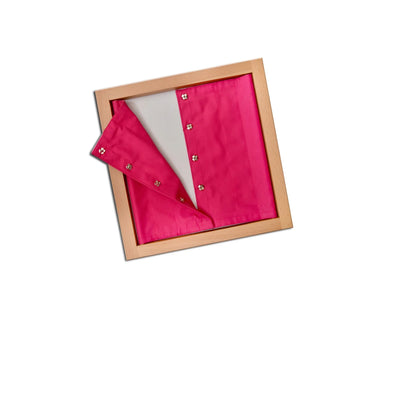
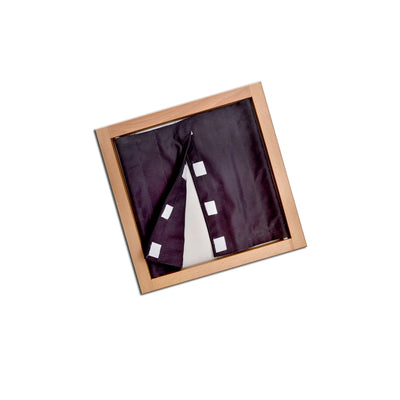
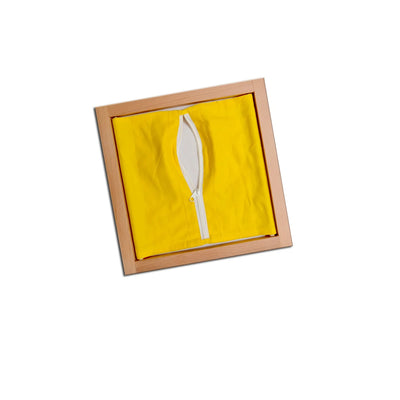
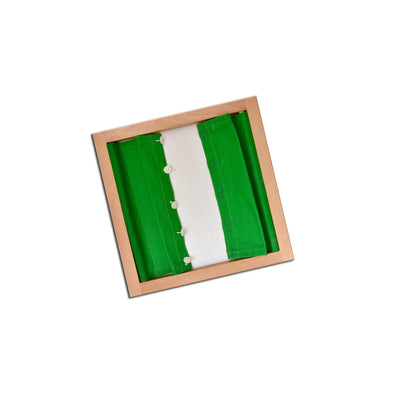
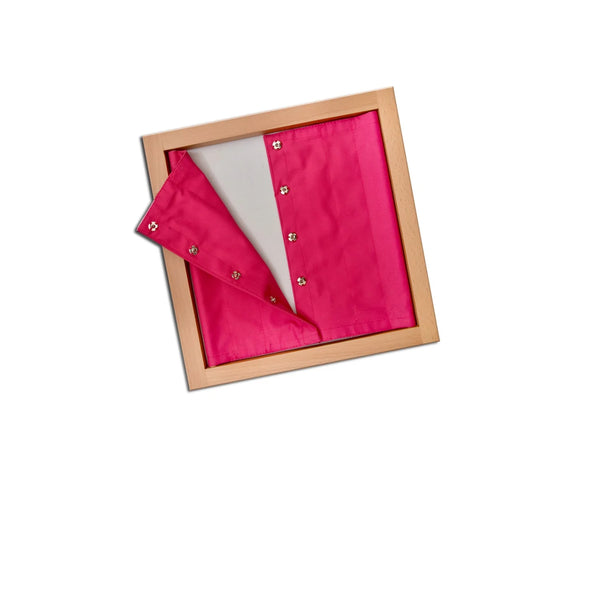
Consider 3-year-old Rohan in a bustling Bengaluru apartment. With a low basin and child-sized soap, he can manage his handwashing after playing outdoors, echoing the importance of cleanliness taught in school. Montessori dressing frames, though simple, allow children to practice buttoning, zipping, and lacing, preparing them for independent dressing. This fosters a sense of competence and dignity, which Maria Montessori emphasized as crucial for a child's holistic development.
These practices are not just about cleanliness; they are about respecting one's body and surroundings, a value deeply embedded in many Indian homes. Grandparents, who often play a significant role in a child's upbringing, can also be instrumental in guiding these practical life activities, reinforcing the importance of cleanliness and routine with gentle encouragement, solidifying healthy habits for kids UP.
Active Bodies, Alert Minds: Montessori's Role in Physical Well-being
Physical activity is another key focus of the Sesame Workshop Abbott healthy habits initiative. In today's urban Indian environment, where outdoor play spaces can be limited and screen time tempting, Montessori-inspired play encourages active engagement and gross motor development within the home.
Open-ended wooden toys, for example, prompt children to build, climb, and balance, stimulating movement and imaginative play. Large building blocks invite collaborative construction, requiring children to reach, lift, and maneuver, thereby enhancing strength and coordination. Studies indicate that unstructured, child-led play is vital for developing problem-solving skills, creativity, and physical prowess. These materials encourage a child to be physically active, even within the confines of a smaller home, preparing them for more structured physical education at school.
By providing an environment rich with opportunities for movement and exploration, Montessori toys support the development of a strong, healthy body, directly contributing to the goals of improved physical well-being for children in Uttar Pradesh and beyond.
Independence as the Foundation of Intrinsic Healthy Choices
The true power of the Montessori method in complementing initiatives like the Sesame Workshop Abbott program lies in its focus on independence. When a child learns to pour their own water, wash their own hands, or choose a healthy snack, they are not merely performing a task; they are internalizing the concept of self-care and respect for their body. This foundational autonomy transforms external instructions into internal motivations. Instead of parents constantly reminding, the child develops an innate desire to make healthy choices because they understand and value their own agency in maintaining well-being. This deeper engagement makes the lessons from child wellness programs India far more sustainable and impactful throughout their lives.
For parents in Bengaluru and across India, creating a Montessori-inspired environment at home means offering the tools and freedom for children to practice these healthy habits. It's about observation, support, and trusting in your child's innate drive to learn and grow. By investing in quality Montessori learning materials, you are not just buying toys; you are investing in a child's lifelong journey towards health, independence, and a confident sense of self.