National Nutrition Week 2026: Montessori for Healthy Indian Kids
As India gears up for National Nutrition Week 2026, running from September 1st to 7th, parents nationwide are reflecting on what it truly means to raise healthy children. This annual observance serves as a vital reminder that optimal nutrition is the cornerstone of a child's growth, development, and lifelong well-being. For Indian families, navigating the nuances of traditional diets, urban temptations, and evolving lifestyles makes this focus more crucial than ever.
National Nutrition Week 2026 is an annual observance in India, dedicated to raising public awareness about the profound importance of nutrition for health and well-being. This matters because a well-nourished child is better equipped to learn, play, and thrive, impacting their academic success and overall happiness. Indian parents can use this week to consciously integrate healthy eating habits and active living into their children's daily routines through engaging, child-led activities.
Why Child Nutrition in India Needs Our Focused Attention
Child nutrition in India presents a complex landscape. While the National Family Health Survey (NFHS-5) indicates some improvements, challenges persist. Many Indian children still face issues of undernutrition, manifesting as stunting or wasting, while simultaneously, childhood obesity is a growing concern, particularly in urban centres like Bengaluru. This dual burden demands a holistic approach.
The news headlines around National Nutrition Week 2026 underscore this urgency. Reports from Firstpost highlight the significance of the week and India's latest nutrition statistics, while initiatives like India Gate basmati rice's 'nutrition prayer' featured on Adgully.com show how brands are trying to instill healthier eating habits. This societal emphasis provides a perfect window for parents to introduce lasting changes.
Montessori's Approach: Nurturing Healthy Eaters, Not Just Feeding Them
Maria Montessori's philosophy centres on fostering independence, practical life skills, and a deep respect for the child's natural development. When applied to food and nutrition, this means moving beyond simply telling children what to eat. Instead, it involves empowering them to understand, prepare, and choose nourishing foods themselves.
Child development experts agree that much of what we perceive as "pickiness" in toddlers is often a natural developmental stage. Around 18-36 months, children assert their autonomy and may exhibit neophobia – a fear of new foods. Rather than fighting this, Montessori embraces it, offering structured choices and hands-on engagement that transform mealtimes from battles into collaborative learning experiences.
Practical Life Activities: The Kitchen as a Classroom for Healthy Eating
The Montessori kitchen is not just a place for adults; it's a vibrant classroom where children learn invaluable life skills. Involving your child in meal preparation, even from a young age, can dramatically increase their willingness to try new foods. Imagine a 3-year-old Aarya in a Bengaluru joint family, proudly washing the palak leaves for dinner or helping her Dadi sort pulses for dal.
Simple tasks like washing fruits and vegetables, tearing lettuce for a salad, stirring batter for rotis, or setting the table build fine motor skills, concentration, and a sense of contribution. Providing child-sized activity kits with safe tools like blunt knives for cutting soft fruits can make these experiences accessible and engaging, fostering a positive relationship with food.
Educational Toys that Cultivate Healthy Habits
Beyond the kitchen, specific educational toys can solidify healthy eating concepts. For a 4-year-old, a wooden food sorting set where they classify fruits, vegetables, grains, and proteins helps them visually understand food groups. Pretend play kitchens, stocked with realistic wooden food items, encourage imaginative role-playing around healthy meal preparation and serving.
Toys like the 'Fruit & Vegetable Peg Puzzle' or 'Food Pyramid Stacker' from SkilloToys' main collection turn abstract nutritional concepts into concrete, playful learning. Children learn to identify foods, discuss their benefits, and even 'cook' nutritious meals, reinforcing healthy habits through engagement rather than lectures.
Beyond the Plate: Holistic Healthy Habits for Indian Kids
Child nutrition is intrinsically linked to other healthy habits. Research from institutions like the Harvard Center on the Developing Child consistently highlights the interconnectedness of diet, sleep, and physical activity for optimal development. Ensuring adequate sleep, limiting screen time, and encouraging outdoor play – even in urban settings with smaller spaces – are equally vital.
In the Indian context, this often means balancing festival indulgences with everyday healthy choices, and ensuring children get enough unstructured play time despite academic pressures. Grandparents, often central figures in Indian households, can be wonderful allies in promoting these habits, sharing traditional stories while supervising play or encouraging healthier snack options during family gatherings.
Bringing It Home: Montessori Tips for Indian Parents This Nutrition Week
This National Nutrition Week 2026, commit to making a tangible change in your child's nutrition journey. Here's a simple, actionable step you can take tonight:
- Involve Them in Dinner Prep: Even if it's just washing one vegetable or helping you carry their small plate to the table. Let them choose between two healthy options for a side dish. This simple act of involvement and choice, rooted in Montessori principles, significantly increases a child's acceptance of meals.
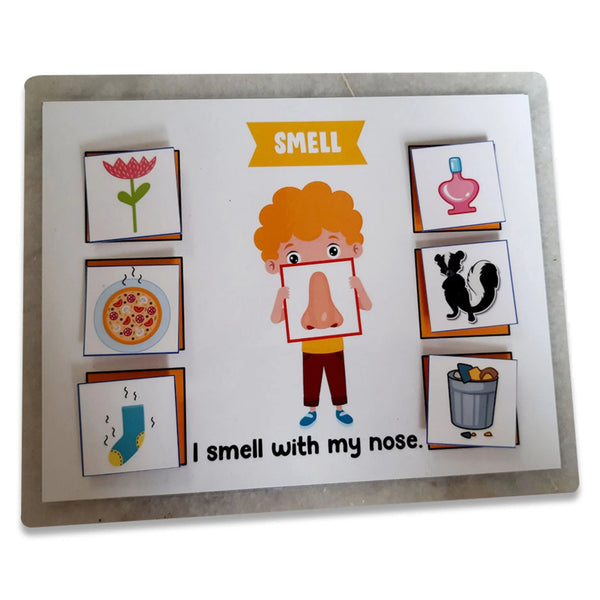
- Create a "Tasting Station": Offer tiny portions of a new vegetable or fruit alongside familiar favourites. Encourage them to explore with their senses – touch, smell, and then taste.
- Talk About Food's "Superpowers": Instead of "eat your vegetables," try "these carrots help your eyes see amazing things" or "this dal gives you strength to run fast." This positive framing, as advocated by child development experts, shifts their perspective.
By empowering your child with choice and practical skills, you're not just ensuring they eat a healthy meal today. You're instilling a lifelong appreciation for nourishing food and independent healthy living, a priceless gift during National Nutrition Week 2026 and beyond.