Rashtriya Poshan Maah: Nurturing Healthy Indian Kids
This September, as India observes the 9th Rashtriya Poshan Maah, parents across the country have a golden opportunity to actively shape their children's long-term health. This nationwide initiative focuses on improving nutritional outcomes, urging every Indian household, from bustling Bengaluru apartments to joint families in smaller towns, to prioritise holistic well-being for their little ones.
The 9th Rashtriya Poshan Maah, or National Nutrition Month, is an annual campaign by the Indian government observed throughout September. Its core purpose is to raise awareness about the critical importance of nutrition, especially for children and pregnant women, and to mobilise communities towards a healthier India. This matters immensely because early childhood is a foundational period for developing lifelong eating, sleeping, and activity patterns. Indian parents can leverage this month-long focus to introduce sustainable healthy habits, often through engaging, Montessori-inspired activities.
The Prepared Environment for Nutrition: A Montessori Approach to Healthy Habits
Child development experts agree that a 'prepared environment' is key to fostering independence, as advocated by Maria Montessori. This principle extends beautifully to nurturing healthy eating habits. When you create a kitchen and dining space where your child can safely and easily participate, you empower them to make mindful choices and take ownership of their health.
For instance, a 3-year-old Aarya in a Bengaluru home can have a low shelf with child-friendly cutlery, a small jug for water, and a designated spot for healthy snacks like chopped fruit or nuts. This independence, within sensible limits, reduces mealtime power struggles and encourages self-regulation. Studies indicate that children involved in food preparation are more likely to try new foods and develop a diverse palate.
Montessori practical life materials, such as a child-sized cutting board and blunt knife, or a small whisk, can transform kitchen tasks into engaging learning experiences. These activities build fine motor skills and concentration, making meal prep an adventure rather than a chore. Consider exploring Montessori activity kits that introduce early kitchen skills in a fun, safe way.
Beyond the Plate: Cultivating Healthy Lifestyle Habits for Indian Kids
Healthy habits extend far beyond what's on the dinner plate. The 9th Rashtriya Poshan Maah also encourages a holistic view of well-being, encompassing adequate sleep and sufficient physical activity. In urban India, where screen time often competes with outdoor play and school pressures begin early, these aspects are more crucial than ever.
The Indian Academy of Pediatrics (IAP) consistently highlights the importance of regular sleep schedules and at least 60 minutes of moderate-to-vigorous physical activity daily for school-aged children. For toddlers, unstructured free play is vital for gross motor development. Parents can set up simple home 'play zones' or encourage active games with open-ended wooden toys that spark imagination and movement. Even in smaller homes, creative indoor activities like building obstacle courses or engaging with a large Montessori mat or puzzle can provide essential physical engagement.
Culturally, family time often revolves around food and festivals. While enjoying festive treats is part of our heritage, balance is key. Encourage grandparents to share traditional games or stories that involve movement, balancing cultural richness with modern health insights. This creates a bridge between generations, where healthy habits are a shared value, not a strict regimen.
Poshan Maah Activities for Indian Families: Making it Fun & Educational
Leveraging the spirit of Rashtriya Poshan Maah means turning nutritional learning into an interactive experience. Here are some ideas:
- The Rainbow Plate Challenge: Encourage children to identify and eat foods of different colours, discussing the benefits of each. A simple plate with three different coloured vegetables becomes a visual lesson in nutrition.
- "Farm-to-Table" Stories: Read books about where food comes from, or if possible, visit a local farmer's market. Let your child choose a new fruit or vegetable to try.
- Cooking with Dadi/Nani: Involve children in preparing simple traditional Indian dishes. Whether it's rolling a small roti, kneading atta, or washing lentils, these tasks teach about ingredients and cultural heritage.
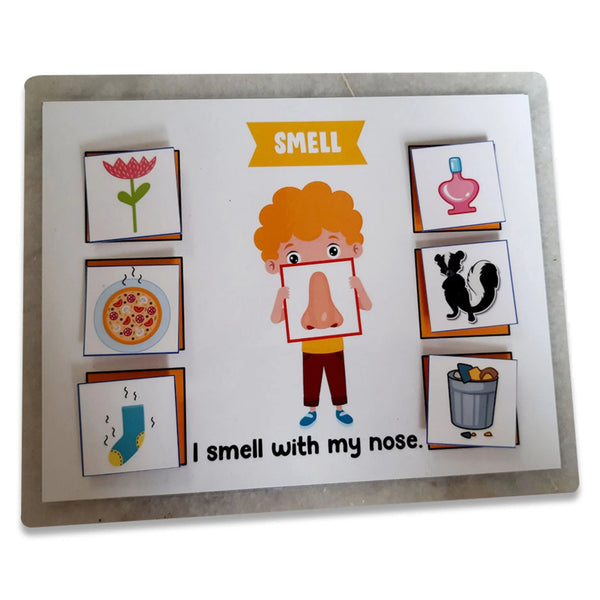
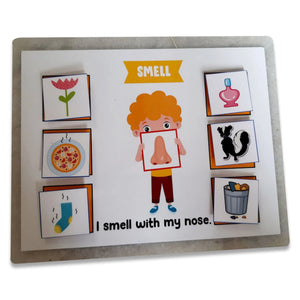
- Sensory Food Exploration: For younger children (18-24 months), let them safely explore different textures and smells of raw ingredients – a piece of ginger, a pinch of turmeric, or the feel of rice grains. This non-pressure approach builds familiarity and reduces food aversions.
These activities, often echoing Montessori principles of practical life and sensorial exploration, help children develop a positive relationship with food, understanding it not just as sustenance, but as part of a healthy, vibrant life. Recent reports highlighting concerns like child obesity and malnutrition in urban centres such as Delhi underscore the urgency and importance of these family-led efforts.
As parents in India, our efforts during the 9th Rashtriya Poshan Maah can lay down a strong foundation for our children's future health. By creating a nurturing home environment, involving children in food choices and preparation, and promoting active lifestyles, we empower them with the tools for lifelong well-being. Start with one small, consistent change today – perhaps letting your child choose their fruit for tomorrow's breakfast, or engaging them in washing vegetables for dinner. Every step counts.