Wooden Toys for Kids: Foster Healthy Habits & Active Play
Research shows that integrating wooden toys for kids into daily play actively cultivates both healthy eating habits and sustained physical activity, crucial for holistic development in Indian children. Unlike screen-based entertainment, these traditional, open-ended toys encourage imaginative engagement that directly translates to better food choices and more active lifestyles, a principle supported by child development experts worldwide.
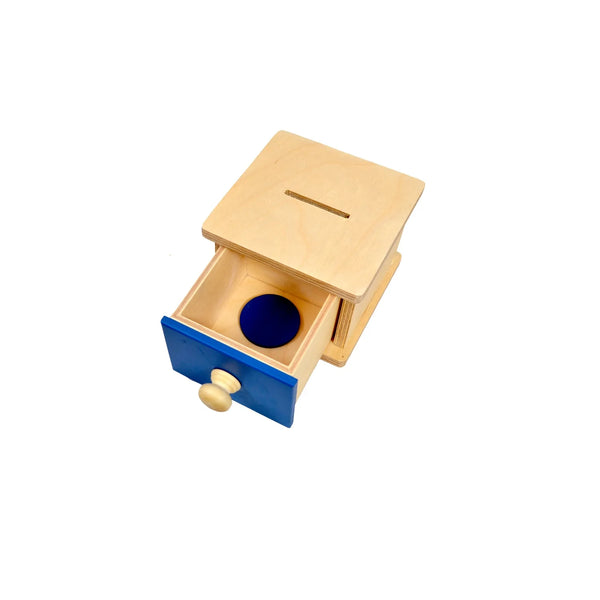
Montessori wooden toys are natural, durable, and intentionally designed play materials that encourage self-directed learning and skill development through hands-on exploration. This matters because they foster concentration, fine motor skills, and creative problem-solving without overstimulation. Indian parents can thoughtfully select these toys to support their child's independent learning journey at home.
How Wooden Play Kitchens & Food Sets Cultivate Healthy Eating Habits
Child development experts agree that exposure and positive association are key to developing healthy eating habits. A wooden play kitchen, complete with a wooden food sets, offers an invaluable space for this. Imagine three-year-old Aarya in her Bengaluru apartment, meticulously 'chopping' a wooden brinjal and 'cooking' it for her grandparents. This isn't just make-believe; she's familiarizing herself with different vegetables, fruits, and the process of preparing a meal.
Studies by organizations like the World Health Organization (WHO) emphasize the critical role of early childhood nutrition in preventing lifelong health issues. When children engage with wooden food sets, they learn the names of ingredients, understand different food groups, and even practice serving portions. This kind of imaginative play demystifies food, making them more open to trying new dishes at the family dinner table – a vital step in aligning with national initiatives like the 9th Rashtriya Poshan Maah focused on nutrition awareness.
The profound truth about wooden toys isn't just their natural material, but their inherent 'incompleteness.' A simple wooden tomato doesn't tell a child what to do; it demands imagination. This active mental engagement—deciding if the tomato is for a salad or a curry—strengthens the very cognitive muscles responsible for self-regulation, which then spills over into patiently trying a new vegetable or inventing a new game without needing external prompts. This 'active imagination' is what prepares a child to make healthy choices independently, far beyond simply knowing a vegetable's name.
Boosting Active Play with Montessori Wooden Toys Beyond Puzzles
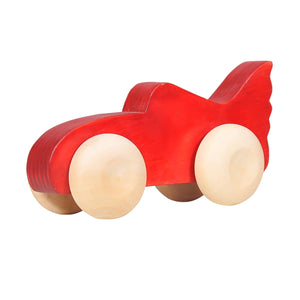
In many Indian homes, especially in urban areas, space constraints and academic pressure can limit opportunities for vigorous physical activity. However, Montessori wooden toys are not confined to quiet, tabletop activities like puzzles. Balance boards, climbing arches, and wooden push-pull toys are designed to get children moving, improving their gross motor skills, balance, and coordination.
For instance, a balance board challenges a child's proprioception and vestibular sense, crucial for physical confidence. Riya, a four-year-old in a joint family in Pune, might spend an hour 'surfing' on her wooden balance board, burning energy and strengthening core muscles, rather than passively watching a screen. This type of active play aligns perfectly with the spirit of programs like UP schools introducing 'My Health World' to inculcate healthy habits from a young age.
The American Academy of Pediatrics (AAP) consistently advocates for unstructured, imaginative play, linking it directly to better cognitive development and emotional regulation. Wooden toys facilitate this by allowing children to create their own physical challenges, fostering a love for movement that is self-initiated rather than externally directed. This independence in play is essential for lifelong active habits.
Building Essential Skills with Simple Wooden Blocks
Beyond themed sets, classic wooden building blocks are foundational wooden toys for kids that contribute immensely to both healthy habits indirectly. When children construct towers, forts, or entire imaginary cities with blocks, they engage in problem-solving, spatial reasoning, and fine motor skill development. These skills are critical for a child's overall cognitive development and attention span.
The patience required to build a tall tower without it toppling over, or the collaborative effort with a sibling or grandparent to construct a complex structure, teaches valuable life lessons in perseverance and teamwork. These aren't just play skills; they are precursors to the focus needed to learn new things, including understanding nutritional information or mastering new physical challenges. Explore our range of Montessori wooden toys to find versatile options that encourage such multi-faceted development.
Making Conscious Choices for Holistic Growth
Choosing wooden toys for your child is more than just selecting a plaything; it's an investment in their holistic development, guiding them towards healthier eating and more active lifestyles. Whether it's the imaginative cooking in a wooden play kitchen or the physical challenge of a balance board, these timeless toys provide a solid foundation. Encourage your child tonight during dinner: ask them to describe the taste and texture of their food using two words each, connecting their meal to the sensory exploration they enjoy in their wooden play world. This simple act reinforces the value of mindful engagement, a habit nurtured by quality wooden toys.