Cerebral Palsy Cognitive Development: A Montessori Guide
Supporting cerebral palsy cognitive development and language skills in children is profoundly achievable through a tailored Montessori approach, which empowers children to reach their unique potential. This method emphasizes individualized learning and adaptive environments, providing Indian parents with actionable strategies to foster their child's growth and independence right within their homes. Early, consistent intervention is vital, transforming daily interactions into powerful learning opportunities.
Cerebral palsy is a diverse group of neurological disorders affecting body movement, muscle tone, and coordination due to non-progressive brain damage, typically occurring before or during birth, or in early childhood. This condition matters deeply because it can significantly impact a child's cognitive and language development, making targeted support essential. Indian parents can empower their children by embracing specialized educational approaches, like Montessori, that cater to individual needs and strengths.
Understanding Cerebral Palsy and Its Developmental Impact
Cerebral palsy affects children differently, presenting a spectrum of challenges from mild to severe, influencing motor skills, communication, and cognitive function. Research indicates that approximately 2.5 to 3 children per 1,000 live births in India are affected by cerebral palsy, with studies like 'Clinical spectrum and associated comorbidities of cerebral palsy among children in Eastern India' highlighting the critical need for comprehensive support. These children often face unique hurdles in learning and expressing themselves, necessitating an approach that builds on their abilities rather than focusing solely on limitations.
Child development experts agree that a holistic understanding of the child's profile – including their physical, sensory, and cognitive abilities – is paramount. This informs how we create an environment that minimizes barriers and maximizes opportunities for engagement and learning. The Montessori philosophy, with its emphasis on observation and individualised work, aligns perfectly with this need.
Nurturing Cerebral Palsy Language Skills Through Montessori
Developing robust cerebral palsy language skills requires patience, consistency, and a multi-sensory approach. Maria Montessori recognized that language acquisition is a natural human tendency, and her methods provide a structured yet flexible pathway for children, including those with cerebral palsy. For instance, the use of Montessori learning materials like Sandpaper Letters allows children to experience letter shapes phonetically and tactually, reinforcing sound-symbol associations critical for reading and writing.
Oral language development is fostered through rich conversations, storytelling, and songs, often integrated into daily activities. For children with speech difficulties, incorporating visual aids, sign language, or augmentative and alternative communication (AAC) devices alongside Montessori materials can be profoundly effective. This comprehensive approach ensures that every child, regardless of their challenges, has avenues to express themselves and connect with their world.
Effective Montessori Activities for Children with Cerebral Palsy
Montessori activities are designed to be self-correcting and engaging, promoting concentration and problem-solving skills. When adapting Montessori activities cerebral palsy-focused, modifications often involve ensuring materials are easy to grasp, placed within reach, or presented in a way that minimizes physical strain. For example, instead of traditional blocks, larger, lighter building blocks or magnetic tiles can facilitate construction activities.
Practical Life activities, such as pouring water, buttoning, or zipping, can be modified with larger buttons or easier-to-manipulate containers, building independence and fine motor skills. Sensorial materials like the Pink Tower or Brown Stair can be adapted by offering individual pieces for stacking, or by using trays that stabilize the materials, allowing children to focus on the sensory attributes without being hindered by motor challenges. These activities not only enhance cognitive function but also instill a sense of accomplishment.
Selecting Educational Toys for Cerebral Palsy Support
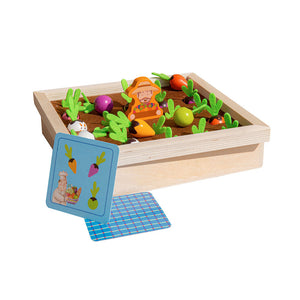
Choosing the right educational toys cerebral palsy needs is about purposeful selection that encourages engagement and supports specific developmental goals. Toys should be durable, safe, and offer varied sensory input. For children focusing on fine motor and cognitive development, SkilloToys offers a wide array of puzzles with large, chunky pieces that are easy to manipulate, promoting hand-eye coordination and spatial reasoning. Sorting toys, shape sorters, and stacking games also help with discrimination, sequencing, and problem-solving.
Beyond physical modifications, consider toys that stimulate auditory processing through music or sound, and visual tracking through vibrant colours or moving parts. The goal is to provide tools that a child can successfully interact with, fostering curiosity and a love for learning, echoing the 'Why play-based learning deserves equal footing with nutrition in child development' sentiment from India Today.
The Power of Early Intervention for Cerebral Palsy in India
The significance of early intervention cerebral palsy India cannot be overstated. From Bengaluru to rural India, access to timely and appropriate support can dramatically alter developmental trajectories. Early intervention, ideally starting in infancy, capitalizes on the brain's plasticity, allowing for the formation of new neural pathways and adaptation. This often involves a team approach, including physiotherapists, occupational therapists, speech therapists, and special educators, working collaboratively with parents and grandparents.
Community engagement in early childhood development intervention, as highlighted by research in 'Frontiers' on programs in rural India, demonstrates the collective impact possible. Indian families, especially joint families, play a crucial role in providing a consistent and loving environment for skill reinforcement. Embracing Montessori at home, guided by specialists, empowers parents to be their child's primary educators and advocates, integrating learning seamlessly into daily routines and cultural contexts, whether preparing for festivals or navigating school pressure.
Key Takeaways
- Montessori principles offer a structured, individualized approach that profoundly supports cognitive and language development in children with cerebral palsy.
- Early intervention is critical in India for maximizing developmental outcomes, leveraging the brain's plasticity in young children with cerebral palsy.
- Adapting Montessori materials and activities to accommodate physical and sensory needs enhances accessibility and promotes independence for children with cerebral palsy.
- Selecting appropriate educational toys, such as large-piece puzzles and sorting games, directly supports fine motor skills, problem-solving, and cognitive growth.
- A rich linguistic environment, combined with multi-sensory tools like Sandpaper Letters, significantly aids in developing strong language skills for children with cerebral palsy.
- Family involvement and a collaborative approach with therapists are essential for consistent learning and holistic development within the Indian home environment.