Homeschooling Curriculum India: Creative Montessori Activities
When planning a homeschooling curriculum in India, integrating essential creative play activities is paramount for holistic child development. These activities don't just fill time; they build critical thinking, problem-solving skills, and a robust imagination that rote learning simply cannot replicate. For Indian parents navigating the unique challenges and opportunities of home education, a Montessori approach offers a powerful, child-led pathway to fostering genuine creativity.
Homeschooling creativity is the child's innate ability to generate new ideas, connect disparate concepts, and express themselves uniquely through self-directed exploration. This matters because it cultivates adaptability, resilience, and innovative thinking – qualities essential for future success. Indian parents can implement this by providing a thoughtfully prepared environment rich with open-ended materials and opportunities for independent discovery.
Fostering Imagination Through Practical Life Activities
Montessori education emphasizes Practical Life activities, which are perfect for integrating montessori homeschooling activities focused on creativity. These are everyday tasks that give children purpose and connect them to their environment. For instance, a three-year-old helping to knead dough for chapatis isn't just learning to cook; they are engaging in a multi-sensory experience that sparks imagination about shapes, textures, and transformations. Similarly, watering plants in the balcony or helping sort lentils for a traditional meal develops concentration and fine motor skills, which are precursors to more complex creative tasks.
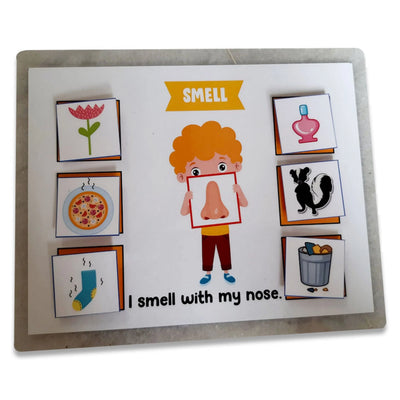
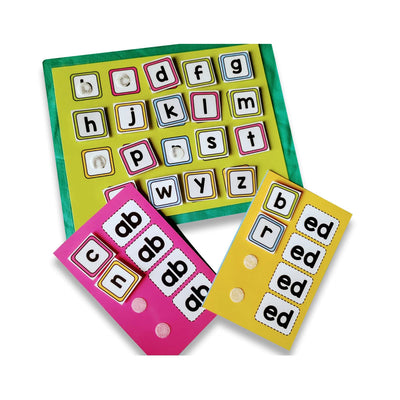
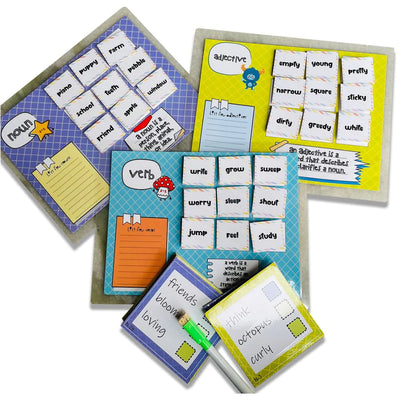
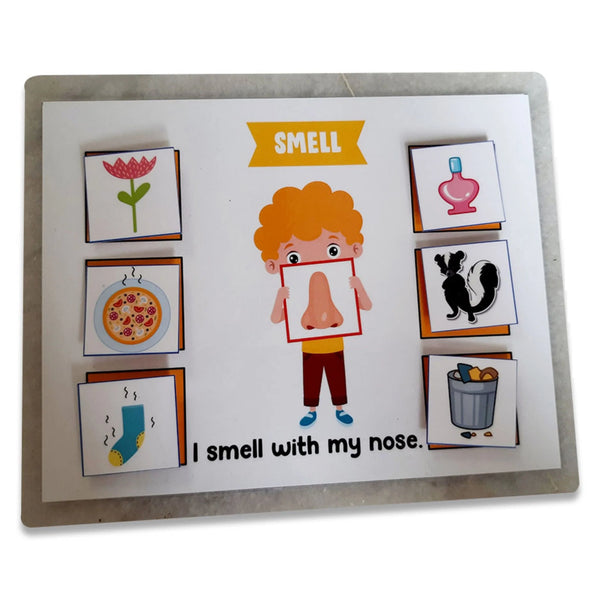
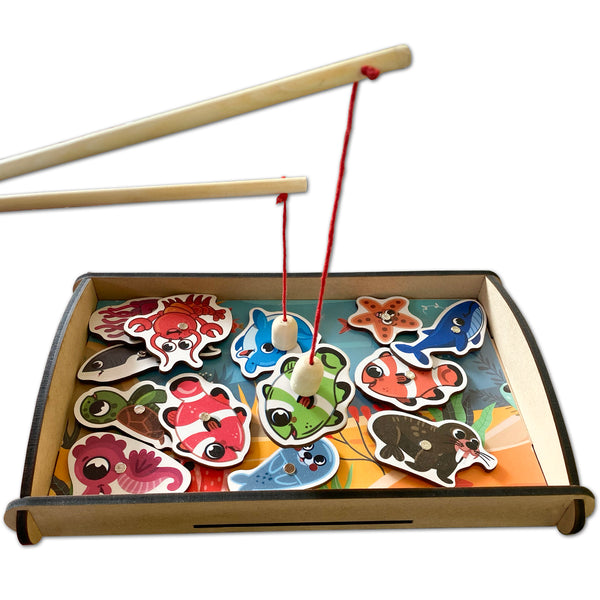
Child development experts agree that involving children in real-world tasks builds confidence and an understanding of sequences. Think of a child meticulously polishing a small brass diya for Diwali, or helping grandma arrange flowers for a puja. These moments, while seemingly simple, are profound opportunities for creative engagement and cultural connection. Explore engaging options like Montessori activity kits that introduce practical life skills through playful, self-correcting methods.
Engaging Sensory Exploration for Creative Growth
Sensory play is a cornerstone for creative play homeschooling India, offering children direct interaction with the world around them. Unlike screen-filled childhoods, where passive viewing dominates, sensory experiences demand active engagement. Research from Harvard's Center on the Developing Child highlights that rich sensory experiences are vital for building neural pathways that support learning and emotional regulation. Consider a 'nature tray' filled with leaves, twigs, stones, and spices collected during a walk or from the kitchen garden. Children can sort, arrange, or create transient art, developing their aesthetic sense and fine motor control.
The vibrant colours and textures found in Indian homes, from the intricate patterns of a Rangoli made with coloured sand or rice flour during festivals, to the tactile experience of playing with clay or dough, provide endless creative possibilities. As the Deccan Chronicle recently noted, why play still matters in a screen-filled childhood is because it allows children to engage deeply with their environment. Such free exploration without a prescribed outcome is where true creative thought originates.
Storytelling & Role-Play: Igniting Young Minds
Encouraging imagination activities for homeschoolers is effortless through storytelling and role-play. These activities are particularly vibrant in Indian joint families, where stories from grandparents often weave through daily life. Imagine a child reenacting a story from the Mahabharata with homemade puppets fashioned from old socks and fabric scraps, or creating a makeshift market stall in the living room to sell imaginary fruits and vegetables.
This kind of spontaneous play not only fosters imagination but also develops crucial language skills, emotional intelligence, and empathy. The Times of India recently featured how creative activities help children open up emotionally; storytelling and role-play are prime examples of this. They provide a safe space for children to process feelings, understand social dynamics, and experiment with different perspectives, building a foundation for creative problem-solving and communication.
Building Foundational Skills with Open-Ended Materials
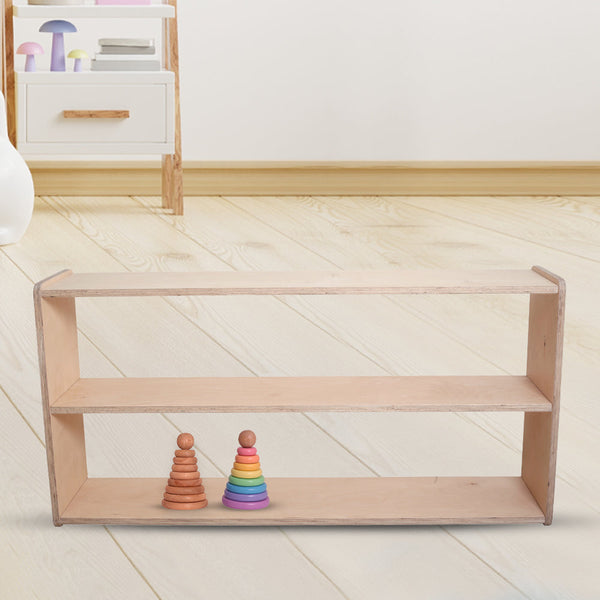
Providing the right homeschooling resources India can make all the difference. While new creative play ranges, like those recently introduced by Funskool, highlight market demand, a Montessori approach emphasizes open-ended materials that empower children to be the creators, not just consumers. Wooden blocks, stacking toys, and simple art supplies like watercolour paints, clay, and large paper sheets are invaluable.
These materials have no single "right" way to be used, inviting children to impose their own ideas and designs. A study by the University of Toledo indicates that children who engage with open-ended materials demonstrate greater creativity and divergent thinking compared to those using toys with predetermined functions. This is where high-quality Montessori puzzles come in; they challenge spatial reasoning and problem-solving, acting as a quiet invitation for creative strategy. The satisfying clunk of one wooden block landing on another, or the intense concentration as a child fits the final puzzle piece, are sensory moments that solidify learning.
The Unseen Value of 'Messy' Creative Play
It's easy for parents, especially in compact urban Indian homes, to shy away from activities that promise a mess. However, child development experts universally affirm that the 'mess' of creative play is not a distraction from learning, but often the direct pathway to developing crucial executive functions like planning, sequencing, and self-regulation. When a child experiments with colours, glues, or builds a fort that collapses, they are actively learning about cause and effect, problem-solving, and adapting their approach.
This hands-on, sometimes chaotic, engagement forces them to think flexibly and persist, qualities far more valuable than a perfectly tidy workspace. Maria Montessori herself observed that "the hands are the instruments of man's intelligence." Giving children the freedom to get a little messy with their creations is giving them permission to think, innovate, and truly learn through doing.
Cultivating creativity and imagination within your Montessori homeschooling curriculum in India doesn't require elaborate setups or expensive gadgets. It calls for intention, observation, and providing a rich, prepared environment where your child feels safe to explore, question, and create. Start tonight: during dinner, ask your 3-year-old to describe their food using two new, silly words, sparking a simple imaginative conversation that opens doors to endless possibilities.