Creative Activities for Kids: Hands-On Imagination
When it comes to raising imaginative thinkers, providing rich, hands-on creative activities for kids is paramount. As India welcomes new avenues for artistic exploration, with brands like Luxor Crayola expanding their 'hands-on creativity' ranges, parents have a timely opportunity to rethink how they nurture their children's inner artists and innovators. This isn't just about making pretty pictures; it's about building foundational skills that last a lifetime.
Hands-on creativity involves engaging children in activities that require direct manipulation of materials, fostering self-expression and problem-solving. This matters because such engagement builds crucial neural pathways, enhancing fine motor skills and imaginative thought. Indian parents can facilitate this by providing simple, accessible art and craft ideas for kids right at home.
Why Hands-On Creativity Fuels Young Minds
Child development experts consistently highlight the critical role of tactile experiences in early brain development. Research shows that when children engage with diverse textures, colours, and shapes through hands-on play, they form complex neural connections that are vital for cognitive growth and problem-solving abilities. This direct interaction helps children understand their world in a way screens simply cannot replicate.
For instance, a child stacking wooden blocks or squishing clay isn't just playing; they are learning about balance, spatial reasoning, and cause-and-effect. These fundamental lessons lay the groundwork for mathematical understanding, scientific inquiry, and a strong sense of self-efficacy. Maria Montessori's philosophy, in particular, champions this approach, advocating for materials that children can manipulate and explore independently, fostering concentration and practical life skills.
Montessori Art Activities: Nurturing Imagination Through Art
Montessori education embraces art as a natural extension of self-expression and practical life skills. Instead of rigid instructions, Montessori art activities focus on providing a "prepared environment" with quality materials and allowing the child to explore at their own pace. This empowers children to develop their unique artistic voice and builds confidence in their abilities.
For parents in Bengaluru, incorporating Montessori principles into art time means offering open-ended materials like clay, paint, and paper, then stepping back to observe. You might see your child, like 4-year-old Rohan in a joint family in Jayanagar, meticulously arranging colourful activity kits pieces, or 2-year-old Ananya delightedly mixing colours without any predefined goal. This process-oriented approach, rather than focusing on a perfect end product, is key to truly sparking imagination through art.
Simple Art and Craft Ideas for Kids in Indian Homes
You don't need a sprawling art studio to foster hands-on creativity. Many simple art and craft ideas for kids can be adapted for small apartments or even a corner in the living room. Consider these easy, impactful activities:
- Playdough Sculpting: Homemade playdough offers a fantastic sensory experience. Children can roll, pinch, cut, and create anything their imagination desires. It's excellent for developing fine motor skills and hand strength, crucial for later writing.
- Nature Collages: Take a walk to collect leaves, twigs, pebbles, and flowers. Back home, provide paper and glue, and let your child arrange their natural treasures into unique collages. This connects them with nature and encourages observation.
- Tearing & Pasting: Offer colourful scrap paper and child-safe glue. Tearing paper strengthens hand muscles, and pasting pieces creates abstract art, reinforcing concepts of shape and form.
- Sponge Painting: Cut sponges into various shapes. Provide washable paints and large sheets of paper. This simple technique offers a different tactile experience and is less precise, encouraging free expression.
- Rangoli with Grains/Pulses: Leverage a familiar Indian tradition! Provide different coloured pulses or grains and let children create patterns on a tray or floor mat. It's a wonderful sensory and cultural activity that hones precision.
In many Indian homes, a neat and tidy space is highly valued. However, child development experts agree that "messy play" is not just fun; it's a critical sensory experience that helps children process the world, develop problem-solving skills, and truly unleash imagination through art, which often involves tactile exploration. Embrace the mess as a sign of deep learning and engagement.
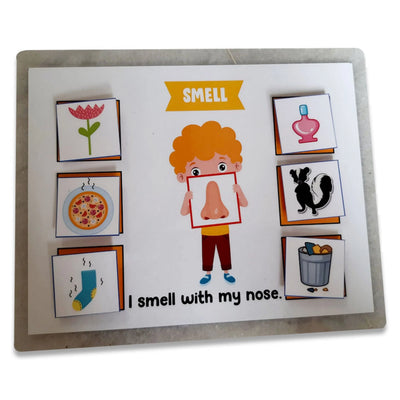
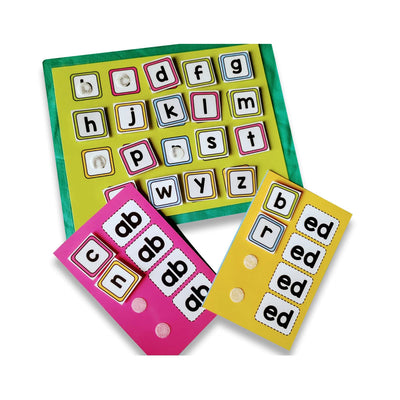
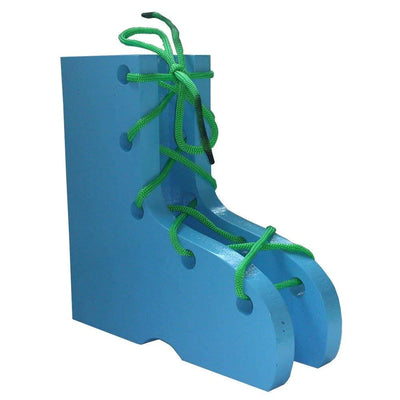
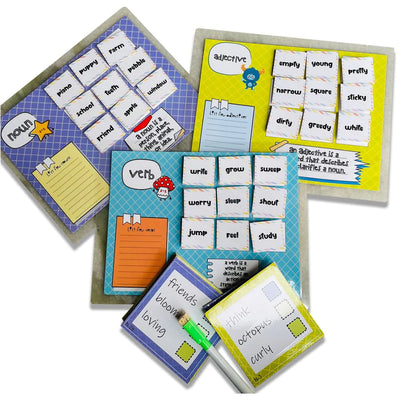
Offering children tools like various puzzles and building blocks further supports their hands-on creativity, enabling them to construct and deconstruct, learning about spatial relationships and logical sequencing. The beauty of Montessori-inspired materials, available at SkilloToys.com, lies in their open-ended nature, inviting children to explore without limits.
Encouraging hands-on creative activities for kids is more than just keeping them busy; it's an investment in their holistic development, fostering curiosity, resilience, and a lifelong love for learning. Tonight, instead of reaching for the remote, invite your child to engage in a simple art activity. Observe their focus, their joy, and the unique world they create with their own two hands.