CP Cognitive & Language Development: Montessori Guide
Research consistently shows that a tailored Montessori approach significantly supports cerebral palsy cognitive language development Montessori by providing a structured, prepared environment that meets the unique needs of children aged 0-8. This method empowers Indian parents to foster cognitive and language skills through tailored, hands-on activities, promoting independence and effective communication from their Bengaluru homes.
As the conversation around special needs development gains traction, exemplified by recent discussions in India Today on play-based learning, understanding targeted strategies becomes essential. SkilloToys.com is dedicated to providing science-backed guidance for nurturing every child's potential.
What is Cerebral Palsy?
Cerebral Palsy (CP) is a group of permanent movement disorders that appear in early childhood. This condition affects muscle tone, posture, and coordination, impacting mobility and, in some cases, cognitive and language functions. Indian parents can create a supportive home environment to address these challenges effectively.
Adapting the Montessori Prepared Environment for Children with CP
Child development experts agree that a thoughtfully prepared environment is foundational in Montessori education, and this holds particular significance for children with Cerebral Palsy. For a child with CP, the environment needs modifications to enhance accessibility, promote independence, and reduce physical barriers, fostering their `Montessori activities for cerebral palsy` effectively.
Consider adjustable-height tables and chairs, non-slip mats, and easily graspable materials. In Indian homes, this might involve designating a specific, clutter-free learning corner, ensuring pathways are clear for mobility aids, and incorporating traditional low seating options that offer stability. The goal, as Maria Montessori articulated, is to create an environment where the child can act independently to the greatest extent possible.
Boosting Cognitive Development in CP through Montessori Principles
Montessori education inherently champions intrinsic motivation and sequential learning, critical elements for `cognitive development cerebral palsy`. Activities like sorting, grading (e.g., with the Pink Tower), and puzzles engage a child's problem-solving skills, concentration, and logical thinking. These tasks are broken down into manageable steps, allowing children with CP to experience success and build confidence.
For children aged 18-36 months, practical life exercises such as pouring water, buttoning, or using tongs can be adapted to strengthen fine motor control and concentration, even with physical challenges. Studies published in journals like the Developmental Medicine & Child Neurology consistently demonstrate the positive impact of early, structured interventions on cognitive and motor outcomes in children with CP.
Nurturing Language Development in CP: Montessori Communication Strategies
Language acquisition is a cornerstone of cognitive development, and for children with CP, targeted strategies are vital. The Montessori approach emphasizes a rich language environment, where clear, precise vocabulary is used during all activities. This directly supports `language therapy cerebral palsy` goals by making connections between concrete objects and their names.
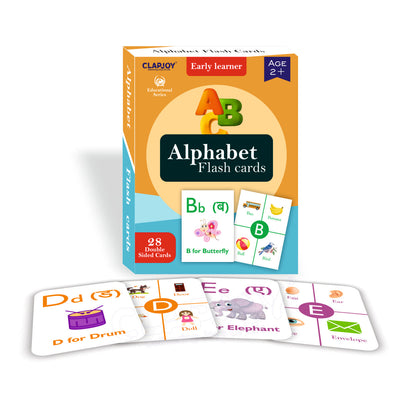
Materials like Sandpaper Letters introduce phonetic sounds kinesthetically, engaging multiple senses. For older children, 3-6 years, classified cards showing images of everyday objects, animals, or Indian festivals can expand vocabulary. Encouraging communication through simple questions and active listening during family meal times or while interacting with grandparents provides natural, meaningful practice.
Selecting Educational Toys for Cerebral Palsy: A Montessori Perspective
Choosing the right `educational toys cerebral palsy` requires careful consideration of a child's specific motor and cognitive abilities. SkilloToys.com offers a range of materials designed to be engaging and developmental. Look for toys that encourage repetition, offer sensory feedback, and promote specific skill development.
Montessori puzzles, for instance, are excellent for developing fine motor skills, hand-eye coordination, and problem-solving, even for children with varying levels of motor control. Explore our collection of Montessori puzzles. Large knobs, chunky pieces, and self-correcting designs make them accessible. Blocks, shape sorters, and stacking toys from our main Montessori collection can be adapted to support grip, grasp, and spatial reasoning, proving invaluable as `special needs Montessori toys`.
Integrating Montessori into the Indian Family Life
The strength of the Indian joint family system can be a profound asset in implementing Montessori principles for a child with CP. Grandparents, aunts, and uncles can all contribute to creating a supportive, language-rich environment. Simple, adapted practical life activities—like helping with chappati dough (strengthening hand muscles) or arranging puja items (developing fine motor skills and cultural understanding)—can be seamlessly woven into daily routines.
Research shows that strong family involvement significantly improves developmental outcomes for children with special needs. Globally, Cerebral Palsy affects approximately 2-3 children per 1,000 live births, making early, integrated family interventions critical for long-term development. Celebrating small achievements, fostering a sense of belonging, and allowing the child to contribute to family life, even in small ways, builds self-esteem and independence.
- Montessori offers a structured, adaptable framework for cerebral palsy cognitive language development in children aged 0-8.
- The prepared environment for children with CP requires modifications for accessibility and to foster independence.
- Montessori materials inherently support cognitive and language development through multi-sensory and self-correcting features.
- Targeted language strategies, like using Sandpaper Letters and clear vocabulary, are crucial for children with CP.
- Selecting educational toys that promote repetition, sensory feedback, and specific skill development is key for children with CP.
- Indian family structures can be leveraged to create a rich, supportive Montessori learning environment for children with CP.
How early can Montessori principles be applied for a child with CP?
Montessori principles can be applied from infancy, adapting the environment and materials to meet the child's developmental stage and specific needs. Early intervention is crucial for maximizing a child's potential, making Montessori a valuable tool even for very young children with CP.
Are Montessori materials specifically designed for children with CP?
While not exclusively designed for children with Cerebral Palsy, Montessori materials are inherently adaptable due to their multi-sensory nature, self-correcting features, and graded difficulty. These qualities make them highly effective for supporting children with diverse needs, including CP, with minor modifications.
How can Indian families adapt Montessori for a child with CP at home?
Indian families can adapt Montessori by ensuring materials are accessible, simplifying tasks, and integrating activities into daily routines. Encouraging participation in household chores and family interactions, often supported by a joint family structure, creates a rich learning environment for children with CP.
What role do grandparents play in Montessori for CP in India?
Grandparents in India play a vital role by offering consistent support, cultural storytelling, and traditional activities that complement Montessori principles. Their patience and deep understanding of family dynamics provide an invaluable layer of emotional and educational nurturing for children with CP.
What are some effective Montessori activities for language development in CP?
Effective Montessori activities for language development in CP include using Sandpaper Letters for phonetic awareness, engaging with classified cards for vocabulary building, and encouraging storytelling. Clear, concise communication during practical life activities also significantly aids language acquisition.