Doll House for Kids: Montessori Play for Holistic Development
A doll house for kids, especially when viewed through the lens of Montessori open-ended play, serves as a powerful catalyst for holistic cognitive and language development in young children across India. Far from being just a toy, it becomes a dynamic learning environment where children explore social dynamics, problem-solve, and articulate their inner worlds, fostering crucial intellectual and communication skills.
Montessori open-ended dollhouse play is a child-led activity where children freely interact with a dollhouse and its accessories, creating their own narratives and scenarios without adult direction. This matters profoundly because it allows children to spontaneously develop critical thinking, creativity, and self-expression. Indian parents can facilitate this by offering simple, well-crafted dollhouses and observing their child's imaginative journeys.
Cognitive Development Through Miniature Worlds
Playing with a dollhouse is a profound exercise in cognitive development, translating observations of the real world into manageable, miniature experiences. Children engage in sophisticated problem-solving as they arrange furniture, plan daily routines for their doll families, and resolve conflicts between characters. This strengthens executive functions such as planning, sequencing, and working memory.
Studies indicate that children engaged in complex pretend play, like that with a dollhouse, often exhibit stronger cognitive flexibility and self-regulation. For a child like Rohan in Bengaluru, re-enacting a family dinner in his dollhouse helps him understand the flow of events and the roles each family member plays, mirroring the intricate dynamics of a joint family household.
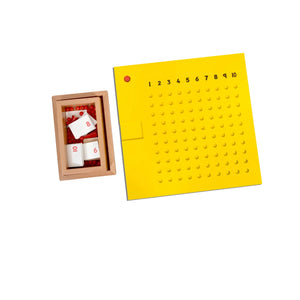
The dollhouse becomes a tangible, miniature world where children can safely process complex social dynamics, emotional intelligence, and even future aspirations they observe in their own Indian homes and communities. This "miniature processing" is crucial for developing robust cognitive frameworks, much like how a child learns mathematical concepts by manipulating physical beads before abstract numbers. They are not just playing house; they are building a mental model of their world.
Nurturing Language & Communication Skills
The narratives that unfold within a dollhouse are a fertile ground for language acquisition and refinement. As children assign voices and dialogue to their dollhouse residents, they naturally expand their vocabulary, practice sentence construction, and develop sophisticated storytelling abilities. This spontaneous verbalisation helps children articulate emotions and understand social cues.
Child development experts agree that pretend play is a key component of language acquisition. For instance, a child might narrate, "The grandmother doll is telling a story about Holi to the children dolls," building rich descriptive language. UNICEF advocates for free play as essential for holistic child development, noting its significant impact on communication skills.
This type of play also fosters emotional literacy. Children use the dollhouse to explore feelings like joy, sadness, and frustration through their characters, developing empathy and social understanding. When 4-year-old Anya's doll family argues over who gets to play with a new toy, Anya is learning to process conflict and negotiation, skills vital for navigating real-life interactions.
The Power of Open-Ended Play in a Montessori Dollhouse
A Montessori dollhouse stands out because it encourages truly open-ended play. Unlike electronic toys with predefined functions, a simple wooden dollhouse with minimalist furniture invites children to bring their own ideas, solving problems and creating scenarios entirely from their imagination. This self-directed activity is fundamental to the Montessori philosophy, where the child is the architect of their own learning.
To facilitate this, parents can provide a well-constructed, durable wooden dollhouse and a variety of small, realistic accessories. Observe your child's play without interruption, offering quiet encouragement or asking open-ended questions that deepen their engagement, such as "What will the father doll do next?" or "Where is everyone going today?" This approach empowers children to lead their learning journey.
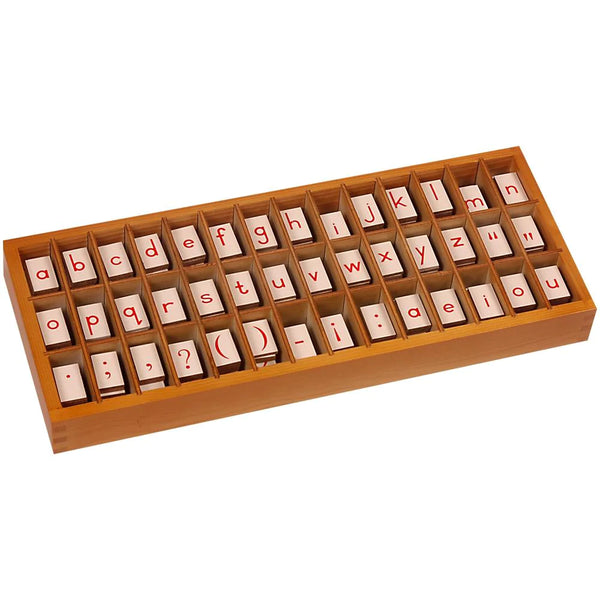
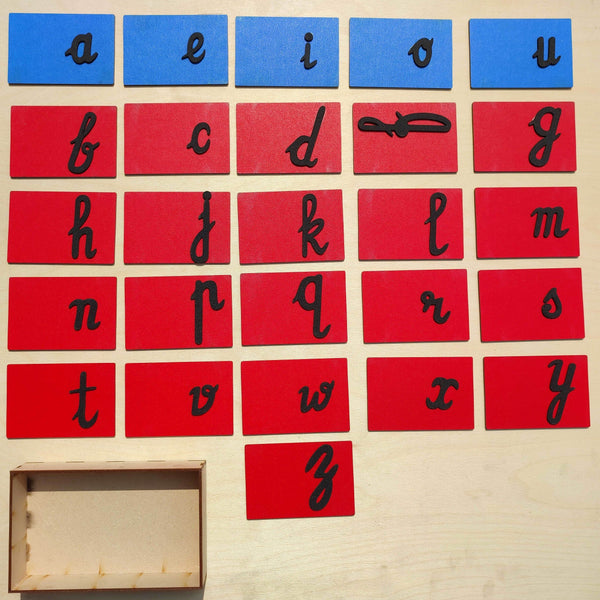
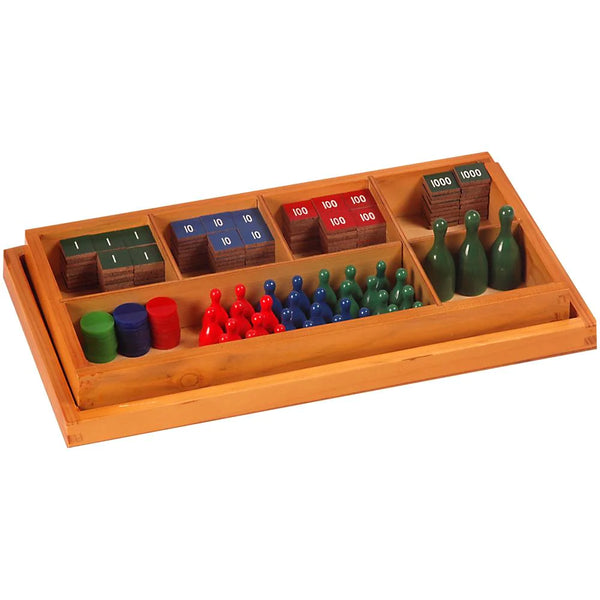
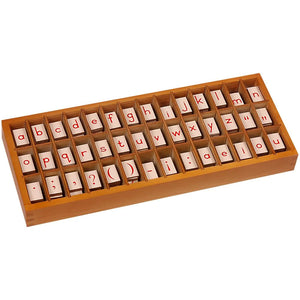
Exploring a range of miniature figures and accessories allows children to represent diverse characters and situations. You might find resources like Montessori method learning materials that complement dollhouse play, encouraging fine motor skills and creative expression alongside cognitive and language development.
Choosing the Right Dollhouse for Your Indian Home
When selecting a dollhouse for your child, consider simplicity and durability. A sturdy, wooden dollhouse, often found in Montessori-inspired collections, allows for years of imaginative play. Its open design ensures easy access and encourages collaborative play, perfect for siblings or cousins in a bustling Indian household.
Look for dollhouses that are adaptable, allowing children to reconfigure spaces and use their imagination for furniture. This approach aligns with the principle of providing "materials for the hand and mind," as Maria Montessori herself emphasised. A dollhouse is an investment in your child's intellectual and emotional growth, a space where they can endlessly create, learn, and grow.
In the rich tapestry of childhood, the simple doll house for kids offers an unparalleled opportunity for profound development. It is where your child, whether in Mumbai or a rural Indian village, can rehearse life, master language, and build a strong cognitive foundation, preparing them not just for school, but for the complexities of life itself. Embrace the power of this miniature world to nurture a truly holistic learner.