Touchscreen Impact Child Communication: Montessori Solutions
Recent research highlights a significant touchscreen impact child communication, showing how excessive digital exposure can hinder a child's social and linguistic development. Montessori pedagogy, however, offers a scientifically grounded approach that actively fosters robust social and communication skills by prioritizing real-world interaction, sensory engagement, and purposeful activities that directly counteract the isolating effects of screen time. This method ensures children develop essential conversational turn-taking, empathy, and collaborative abilities, preparing them for a rich, interactive world.
The touchscreen impact child communication refers to how digital devices, while seemingly interactive, often provide a one-way, non-responsive experience. This matters because such limited interaction can delay speech development and reduce face-to-face social cue recognition. Indian parents can mitigate this by integrating screen-free, interactive learning experiences.
Understanding the Digital Divide: Screen Time Social Development Challenges
Globally, and especially in urban Indian settings like Bengaluru, children are exposed to touchscreens earlier and more frequently than ever before. While digital tools offer certain advantages, a systematic review published recently in Google News underscores a pressing concern: 'The impact of touchscreen digital exposure on children's social development and communication'. Research indicates that the passive consumption of digital content can limit opportunities for critical responsive interactions.
Child development experts agree that human-to-human interaction is paramount for developing complex social cues, empathy, and the nuanced back-and-forth of conversation. Studies show that when children spend prolonged periods with touchscreens, their opportunities for joint attention, reciprocal play, and interpreting non-verbal cues – crucial for robust screen time social development – are significantly reduced. This can manifest as delays in expressive language or difficulties in understanding social situations later on.
Maria Montessori's Vision: Nurturing Communication Skills Montessori Style
Maria Montessori, a visionary educator, observed that children learn best through direct engagement with their environment and purposeful work. Her method inherently provides an antidote to the challenges of digital exposure. The Montessori classroom, or a prepared home environment, is rich with multi-sensory, hands-on materials that demand active participation and foster natural communication.
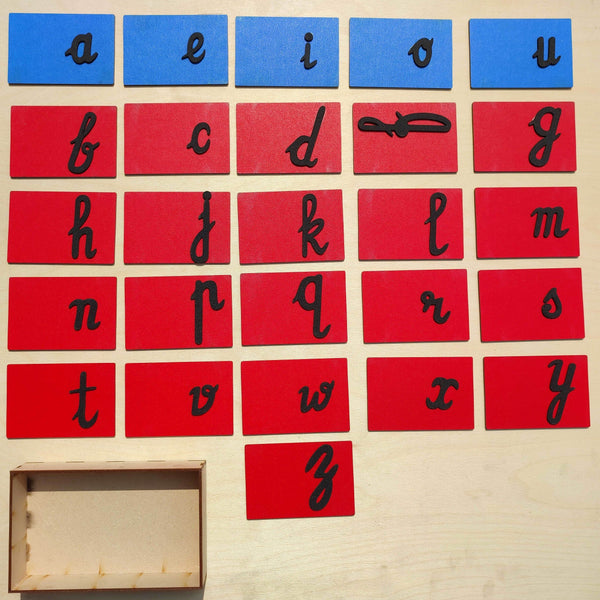
In a Montessori setting, a child working with sandpaper letters to learn phonics, or building the pink tower, is not just learning individually. They are often sharing a space, observing peers, asking for help, or articulating their discoveries. This constant, organic interaction builds foundational communication skills Montessori-style, far beyond rote memorization. It teaches children to express needs, listen actively, and negotiate, which are skills that screens simply cannot replicate.
Practical Montessori Screen Time Alternatives for Indian Homes
For Indian families navigating the balance between tradition and technology, Montessori offers practical, accessible solutions. Instead of handing a tablet, consider engaging your child in practical life activities common in Indian households. A 3-year-old Aarya in a Bengaluru joint family can help her dadi sort pulses, arrange puja flowers, or water plants. These simple tasks develop fine motor skills, concentration, and provide rich opportunities for verbal instruction and interaction.
UNICEF highlights the importance of free play for holistic development. Montessori-inspired materials like wooden blocks, shape sorters, and stacking toys become excellent Montessori screen time alternatives. These allow children to initiate their own play, fostering creativity and problem-solving. For instance, collaborative play with a complex puzzles set can encourage children to discuss strategies, share pieces, and celebrate achievements together, developing crucial teamwork and language skills.
Fostering Social Interaction Early Childhood Beyond the Screen
True social interaction early childhood relies on real-time, responsive feedback. A child pointing to a toy and saying "ball" and a parent responding "Yes, that's a big red ball!" creates a vital language loop. Touchscreens, by contrast, offer programmed, non-responsive feedback that lacks this crucial human element. The recent 'Stepping Stones' program in rural India, as detailed by Frontiers, reinforces the profound impact of community engagement and responsive caregiving on early childhood development.
Montessori classrooms often feature mixed-age groups, allowing younger children to learn from older ones and older children to practice leadership and empathy. At home, this can be replicated by encouraging siblings or cousins to play together, or involving children in community activities. Festivals like Diwali or Holi, or even simple family meals, become natural settings for social learning, where children learn cultural norms, practice greetings, and engage in shared experiences that build strong bonds.
Evidence-Based Play: Counteracting Digital Exposure Children's Development Impacts
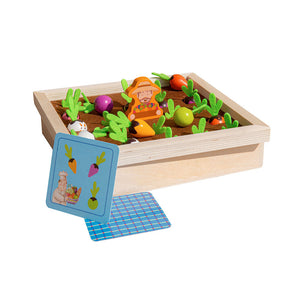
The structured early childhood education exposure, particularly the emphasis on active learning, has a tangible positive impact on childhood cognition, as evidenced by an Indian birth cohort study published in Nature. Montessori's focus on prepared environments and purposeful activity directly supports this. For instance, activities involving sorting, categorizing, or matching objects from the SkilloToys collection, require focused attention and often spark conversation.
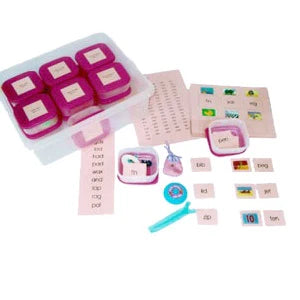
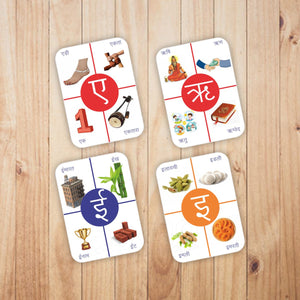
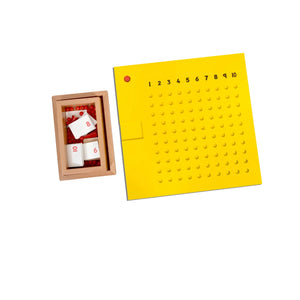
When children engage with materials like the geometry cabinet or language cards from our Montessori method learning materials, they are not just passively absorbing information. They are actively manipulating, experimenting, and communicating their observations. This hands-on, self-directed exploration provides a rich, multi-sensory input that builds neural pathways essential for robust language development and social cognition, effectively counteracting the potentially detrimental effects of excessive digital exposure children's development.
Ultimately, while digital tools are part of modern life, ensuring a balanced, interaction-rich environment is paramount. Montessori offers a time-tested, science-backed framework for Indian parents to cultivate well-rounded children with strong communication skills and a deep capacity for social connection.