Educational Toys: Cognitive & Language Growth (0-8)
Educational toys are more than mere playthings; they are foundational tools purposefully designed to stimulate and enhance a child's cognitive and language development from birth through age eight. For parents in Bengaluru and across India, understanding what truly defines an educational toy and why its role is essential can transform how you approach your child's early learning journey. These specialized materials, particularly those rooted in Montessori philosophy, don't just entertain; they actively build critical thinking, problem-solving skills, and articulate communication, laying a robust foundation for future academic and life success.
In a world often saturated with fleeting digital entertainment, the intentional selection of educational toys offers a powerful counter-narrative, fostering deep engagement and sustained learning. Research shows that early, structured exposure to quality educational tools significantly boosts childhood cognition. A 2021 study on an Indian birth cohort, published in Nature, highlighted the positive correlation between structured early childhood education exposure and cognitive outcomes, underscoring the profound impact of intentional learning environments.
What Truly Defines an Educational Toy? A Montessori Perspective
An educational toy is a meticulously designed object whose primary purpose extends beyond entertainment, aiming to facilitate a specific developmental skill or concept. Unlike passive toys that often do the 'work' for the child, true educational toys demand active engagement, encouraging exploration, experimentation, and self-correction. From a Montessori perspective, these materials possess several key characteristics:
- Purposeful Design: Each toy targets a specific skill, whether it's fine motor control, numerical understanding, or sensory discrimination.
- Self-Correction: Many Montessori materials are designed so the child can immediately identify and correct their own mistakes without adult intervention. For example, a puzzle piece only fits in one place.
- Isolation of Difficulty: The toy isolates a single quality or challenge, allowing the child to focus on mastering one skill at a time.
- Open-Endedness (within a framework): While designed for a purpose, many toys allow for creative, child-led exploration, fostering intrinsic motivation rather than external rewards.
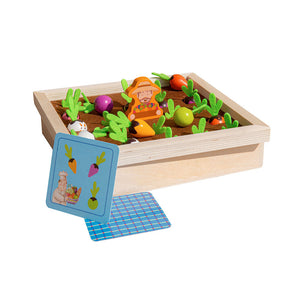
- Aesthetic Appeal & Natural Materials: Often made from natural materials like wood, with simple, inviting aesthetics, they appeal to a child's senses and encourage respectful interaction.
Child development experts agree that these characteristics are vital. They move beyond rote memorization, a common pressure point in Indian education, to cultivate genuine understanding and a love for learning. This aligns with UNICEF's advocacy for free play, emphasizing that child-led exploration is crucial for holistic development.
The Indispensable Role of Educational Toys in Cognitive Development
Cognitive development encompasses how children think, explore, and figure things out. It's the growth of knowledge, problem-solving abilities, memory, and attention. Educational toys are direct catalysts for this growth, particularly during the critical 0-8 age range.
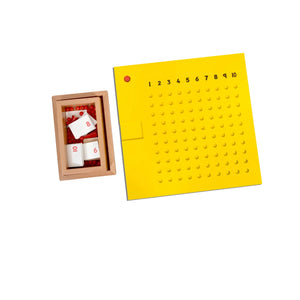
Consider a child, perhaps 3-year-old Aarya in a bustling Bengaluru joint family, engrossed in building a tower with wooden blocks. This isn't just play; she's grappling with physics, spatial reasoning, and problem-solving. Each attempt to balance a block, each frustrated grunt when the tower topples, and each delighted shriek when it stands tall, is a lesson in persistence and analytical thinking. Toys like geometric solids or bead chains for mathematics introduce abstract concepts in a tangible way, helping children move from concrete understanding to more complex logical thought.
Studies indicate that children engaged with such materials develop stronger executive function skills – crucial for planning, focusing attention, and managing tasks. This type of active learning, where the child is the agent of discovery, builds deeper neural connections than passive entertainment. It directly addresses the need for robust intellectual foundations, which parents often seek for their children amidst competitive academic environments.
Nurturing Language Skills with Purposeful Play
Language is the cornerstone of human connection and learning. Educational toys provide rich opportunities for children to acquire, practice, and master language skills, from expanding vocabulary to forming complex sentences and even developing early literacy.
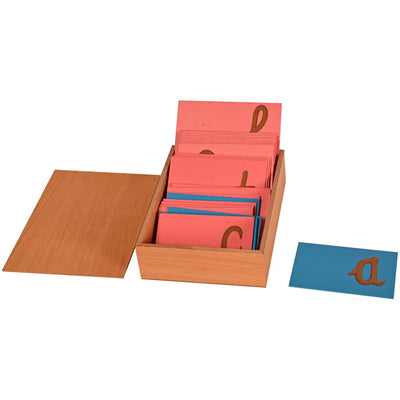
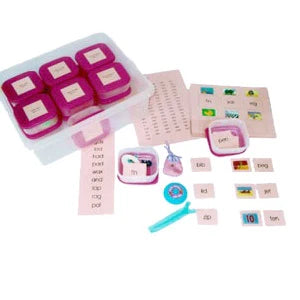
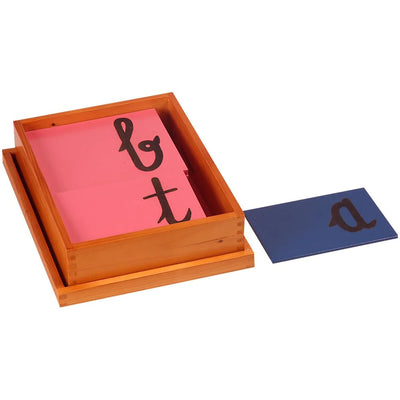
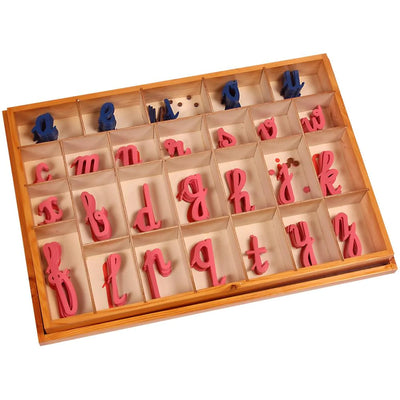
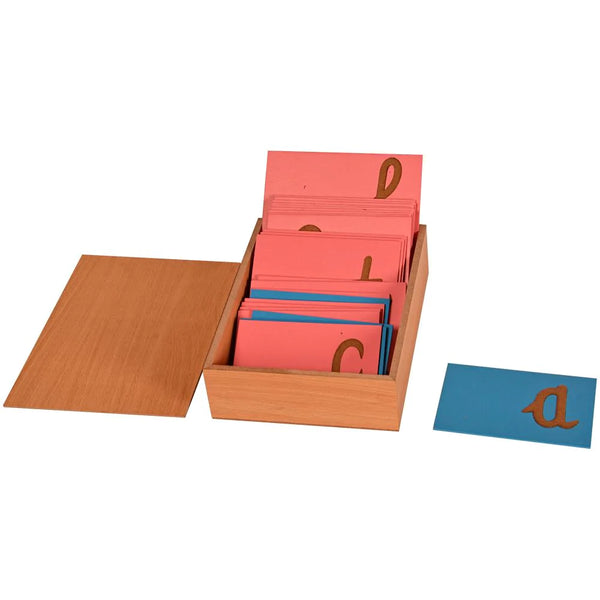
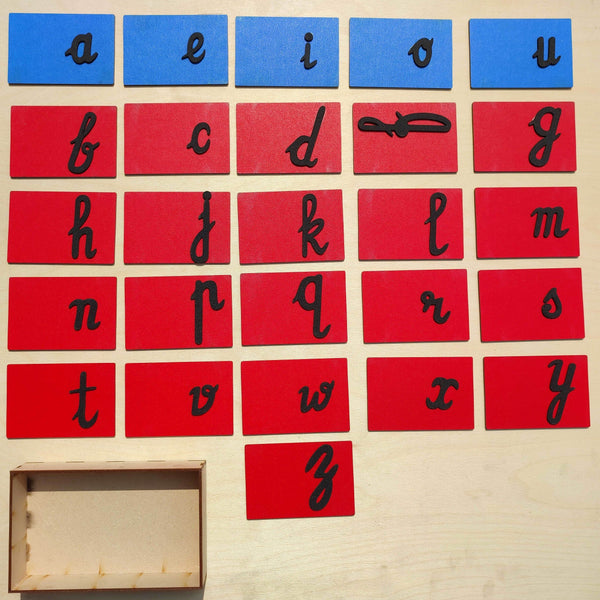
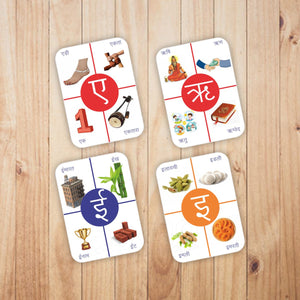
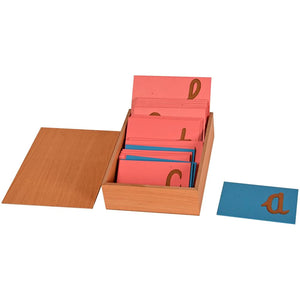
For an infant, a soft sensory book with varied textures introduces new words like "smooth," "bumpy," or "crinkly." As they grow, materials like sandpaper letters help them associate tactile sensations with phonetic sounds, a cornerstone of Montessori literacy. For a child in a multilingual Indian home, role-play sets or simple classified cards depicting familiar objects (e.g., "mango," "temple," "rickshaw") become tools for building vocabulary in multiple languages simultaneously. Grandparents often contribute by narrating stories using these materials, enriching the child's understanding of narrative structure and cultural context.
By engaging with these materials, children naturally expand their vocabulary, improve articulation, and develop the ability to express complex thoughts. The process of describing what they are doing with a toy, asking questions about it, or explaining its function to a sibling, all contribute to robust language acquisition. This hands-on, conversational approach is far more effective than simply being told words; it makes language alive and meaningful.
Montessori's Wisdom: Empowering Children, Guiding Parents (0-8)
Maria Montessori's philosophy profoundly emphasizes that children are natural learners, and their environment should be "prepared" to facilitate self-directed exploration. This approach is incredibly relevant for Indian parents navigating the balance between traditional values and modern educational insights. It promotes independence, concentration, and an intrinsic joy in discovery.
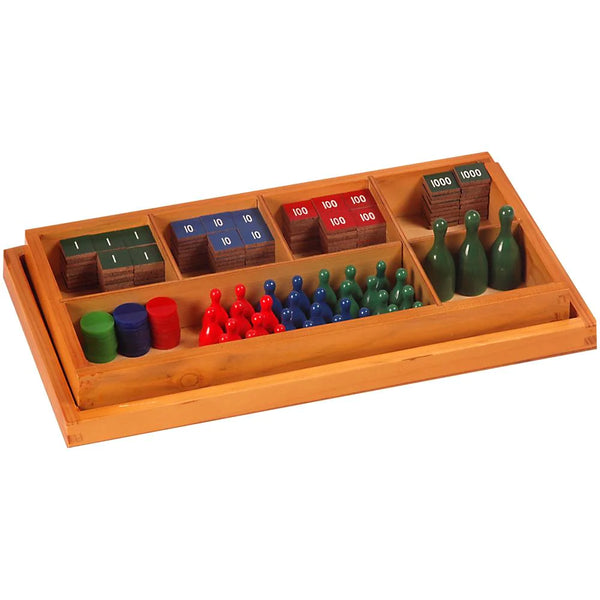
For children aged 0-1 year, simple wooden rattles, grasping beads, or black and white mobiles encourage visual tracking and early fine motor skills. From 1-3 years, stackers, shape sorters, and first puzzles develop hand-eye coordination and problem-solving. As children transition to 3-6 years, sensorial materials like the Pink Tower, Knobbed Cylinders, or practical life activities (like pouring or dressing frames) refine senses, concentration, and self-care skills. For the 6-8 age group, advanced materials like grammar symbols, geography puzzles, or complex bead frames support abstract reasoning and deeper academic understanding.
This "follow the child" approach, where the parent observes the child's interests and readiness, ensures that toys are introduced at the optimal developmental window. It moves away from rigid academic timelines, acknowledging that every child's learning pace is unique, while still providing a rich, stimulating environment. This community-centric approach to early development, seen in programs like the 'stepping stones' initiative in rural India mentioned by Frontiers, highlights the value of supportive, prepared environments, whether at home or in schools.
Making Informed Choices for Your Indian Home
Choosing the right educational toys is an investment in your child's future. It's about empowering them to become curious, capable, and confident individuals. When selecting toys, consider:
- Age Appropriateness: Does the toy match your child's current developmental stage and challenge them gently without overwhelming?
- Purposeful Play: Does it encourage active learning, problem-solving, or communication, rather than just passive entertainment?
- Material Quality: Opt for durable, natural materials that are safe and aesthetically pleasing, promoting respectful handling.
- Montessori Principles: Look for toys that allow for self-correction, isolate a skill, and foster independence. Explore SkilloToys' collection of Montessori method learning materials and toys for expertly curated options.
- Cultural Relevance: Can the toy be integrated into daily life and discussions within your Indian home, perhaps by using it to describe festivals, family members, or local experiences?
By thoughtfully choosing educational toys, parents can provide their children with the tools to build strong cognitive and language foundations, preparing them not just for school, but for a lifetime of joyful learning and meaningful contributions. This thoughtful approach empowers children to truly thrive, developing concentration, critical thinking, and eloquent expression from their earliest years.