Down Syndrome Cognitive Development: Montessori Guide for Indian Parents
Down Syndrome cognitive development can be effectively fostered through a tailored Montessori approach, which emphasizes individualized learning, concrete materials, and a prepared environment. Research shows this method significantly enhances concentration, problem-solving, and communication skills in children with Down Syndrome, empowering Indian families to support their child's unique learning journey.
Recent reports, like those in The Times of India highlighting the importance of holistic development for children with Down Syndrome, resonate deeply with parents across India. This article offers specific, science-backed guidance on how the Montessori philosophy, renowned for its child-centric focus, can make a profound difference in your child's cognitive and language growth.
Understanding Down Syndrome and Its Impact on Development
Down Syndrome is a chromosomal condition that typically affects cognitive and physical development, leading to unique learning profiles. This matters because early intervention and appropriate educational strategies are crucial for maximizing a child's potential. Indian parents can implement structured, engaging learning environments at home to make a profound difference.
Children with Down Syndrome often experience delays in cognitive milestones, impacting areas like memory, attention, and abstract reasoning. However, it is definitive that with consistent, appropriate support, these children can achieve significant developmental progress. Focusing on their individual strengths and learning styles is paramount.
The Montessori Approach for Down Syndrome
The Montessori method, developed by Dr. Maria Montessori, aligns exceptionally well with the learning needs of children with Down Syndrome. This approach respects the child's inherent drive to learn, providing purposeful activities that build concentration, coordination, independence, and a love for learning. Studies indicate that a prepared Montessori environment significantly benefits children with diverse learning needs.
In a Montessori setting, children learn at their own pace, making choices within a structured environment. This individualized attention is critical, especially in the context of Indian joint families where diverse learning styles might need specialized focus amidst a bustling household. The self-correcting nature of Montessori materials allows children to learn from their mistakes independently, fostering confidence and self-esteem.
Montessori for Language Development Down Syndrome Children
Language development in Down Syndrome children often benefits immensely from the multi-sensory and concrete nature of Montessori materials. Children typically experience delays in both expressive and receptive language, making targeted interventions essential. The Montessori approach uses specific materials to bridge this gap effectively.
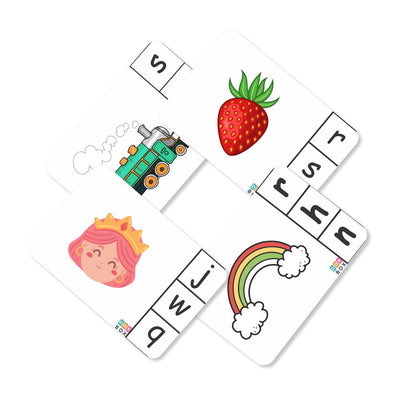
Materials like the Sandpaper Letters introduce phonetic sounds kinesthetically, engaging touch, sight, and hearing simultaneously. Object boxes and nomenclature cards help build vocabulary by associating words with tangible items, a method particularly effective for children who learn best through hands-on experiences. Consistent exposure to a language-rich environment at home, encouraged by grandparents and family members, plays a crucial role in enhancing communication skills.
Educational Toys Down Syndrome Benefits
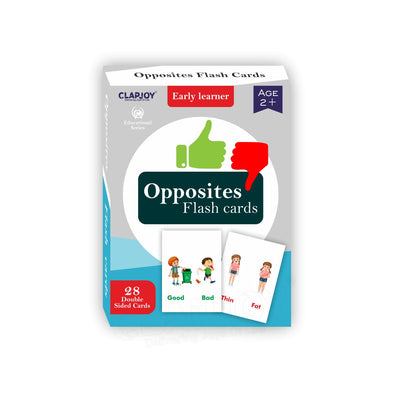
Selecting the right educational toys is fundamental for supporting Down Syndrome cognitive development. Montessori-inspired materials are designed to isolate specific concepts, making learning clearer and more accessible. These aren't just toys; they are tools for development.
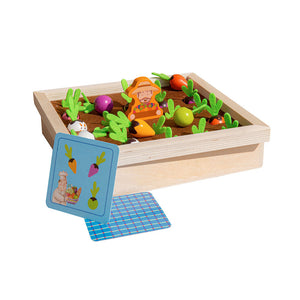
For instance, Montessori puzzles develop fine motor skills, spatial reasoning, and problem-solving abilities. Stacking blocks, sorting activities, and practical life materials like dressing frames or pouring exercises strengthen hand-eye coordination and concentration. Research shows that engaging with purposeful materials from a young age significantly boosts cognitive functions and daily living skills.
Practical Activities for Down Syndrome Kids India
Implementing Montessori principles at home for children with Down Syndrome in India can be seamlessly integrated into daily routines. Start with practical life activities that foster independence, like helping to set the dining table for family meals or assisting with simple chores like dusting. These activities are incredibly grounding and skill-building.
Incorporate sensory play with common household items, perhaps using spices for smell discrimination or different fabrics for tactile exploration. Storytelling sessions, especially those involving visual aids or puppets, can greatly enhance language comprehension and expression. Family participation, common in Indian households, provides rich opportunities for social and emotional development.
Early Intervention Down Syndrome: Why It Matters
Early intervention for Down Syndrome children is not merely beneficial; it is a critical determinant of long-term success. Studies indicate that beginning targeted support in infancy or early toddlerhood can significantly impact cognitive abilities, communication skills, and adaptive behaviors. This proactive approach helps children build a strong developmental foundation.
A Montessori environment provides a structured yet flexible framework for this early intervention. By introducing activities that match a child's readiness rather than age, it empowers them to develop essential skills at their own pace. This tailored support helps mitigate developmental delays and sets children on a path of continuous growth and learning, preparing them for future school environments and life within their community.
Key Takeaways for Indian Parents
- Montessori principles profoundly support Down Syndrome cognitive development through individualized, hands-on learning.
- Early and consistent intervention, especially within a Montessori framework, is crucial for maximizing a child's developmental potential.
- Concrete, multi-sensory Montessori materials are highly effective in fostering language development in children with Down Syndrome.
- Creating a prepared, stimulating home environment with purposeful activities enhances independence and concentration.
- Integrating practical life skills into daily routines helps children with Down Syndrome build confidence and self-sufficiency.
- The Montessori approach, with its focus on the whole child, promotes holistic development tailored to each child's unique needs and strengths.
What are the main cognitive challenges for children with Down Syndrome?
Children with Down Syndrome often face challenges in working memory, executive function, and the pace of processing information. These can impact areas like attention span, problem-solving, and abstract thinking, requiring targeted support.
How does Montessori specifically help language development in Down Syndrome?
Montessori aids language development through concrete materials like Sandpaper Letters and object boxes, linking sounds to symbols and fostering vocabulary. The prepared environment encourages clear communication and builds a strong foundation for both expressive and receptive language skills.
What age is best to start Montessori for Down Syndrome?
Early intervention is highly beneficial, and Montessori can be adapted for children with Down Syndrome from infancy, typically starting with practical life activities around 18 months. The approach is designed to meet the child at their developmental stage, not their chronological age.
Can I implement Montessori at home for my child with Down Syndrome in India?
Yes, implementing Montessori at home is entirely feasible and highly recommended for Indian families. Focus on creating a prepared environment, offering age-appropriate practical life activities, and utilizing Montessori-inspired educational toys to foster independence and learning.
Which educational toys are most beneficial for Down Syndrome children?
Educational toys that are multi-sensory, hands-on, and encourage fine motor skills are most beneficial. Examples include Montessori puzzles, stacking blocks, sorting activities, and materials that promote cause-and-effect understanding and practical life skills.