Educational Toys: Cognitive & Language Growth (0-8)
Educational toys are fundamental instruments that stimulate a child's brain development and language acquisition from birth to age eight. They provide structured yet open-ended opportunities for children to explore concepts, problem-solve, and articulate their thoughts, laying robust foundations for future learning and communication in diverse Indian households. For parents across India, understanding the profound impact of these purposefully designed materials is key to fostering intellectual growth.
An educational toy is a tool specifically designed to stimulate learning and development through play. Unlike passive entertainment, these toys require active engagement, encouraging children to discover principles, develop skills, and build understanding independently. This matters because active, self-directed learning fosters deeper cognitive connections and greater retention, enabling Indian parents to equip their children with strong foundational abilities.
Nurturing Cognitive Development Through Play
Cognitive development toys are not mere distractions; they are catalysts for mental growth. Research shows that early childhood experiences, especially those involving hands-on manipulation and problem-solving, directly influence brain architecture. Maria Montessori, a pioneer in child development, emphasized 'materials' rather than 'toys,' highlighting their precise purpose in fostering concentration, logical thought, and sensory refinement.
For instance, a 4-year-old in Chennai trying to fit the last piece of a puzzle is actively engaging in spatial reasoning and persistence. This seemingly simple act builds critical thinking pathways. Studies indicate that children who regularly engage with such purposeful play develop stronger problem-solving skills compared to those exposed predominantly to passive entertainment.
Montessori materials, often simple and self-correcting, naturally build concentration. A child working with a Pink Tower, carefully stacking cubes from largest to smallest, develops visual discrimination and order. This focus is a crucial cognitive skill, especially valuable in an academic landscape where attention spans are increasingly challenged. Such foundational experiences prepare children not just for school but for navigating complex tasks throughout life.
Igniting Language Skills with Purposeful Play
Language development toys play an equally vital role, especially during the critical period for language acquisition (0-6 years). In India, where multilingualism is a beautiful reality, these toys become indispensable tools. The New Indian Express recently highlighted that language policy must reflect India's realities; similarly, a child's early learning environment should embrace linguistic diversity.
Consider a 2-year-old Bengaluru toddler using realistic animal figurines. As their Dadi names the animals in Kannada and their mother describes them in English, the child's vocabulary expands in both languages simultaneously. This multi-sensory input helps solidify linguistic connections. Early childhood experts agree that consistent exposure and interactive engagement are paramount.
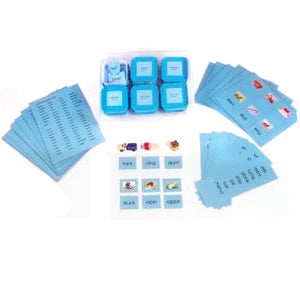
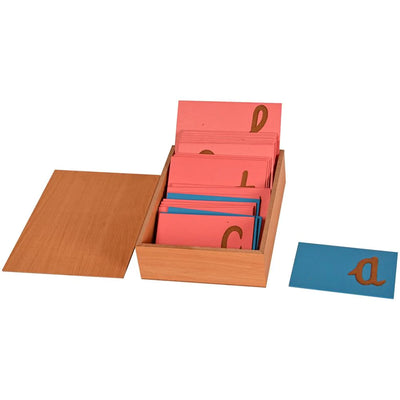
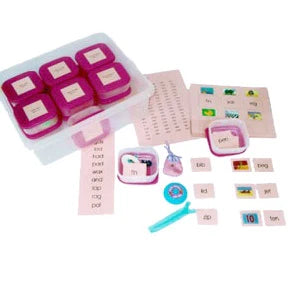
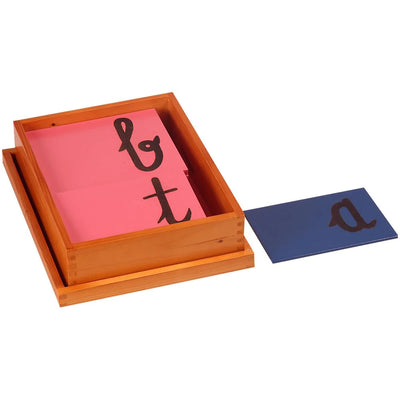
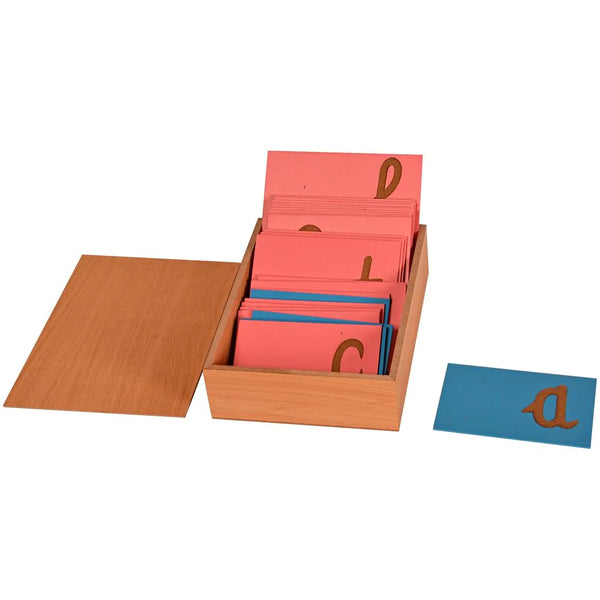
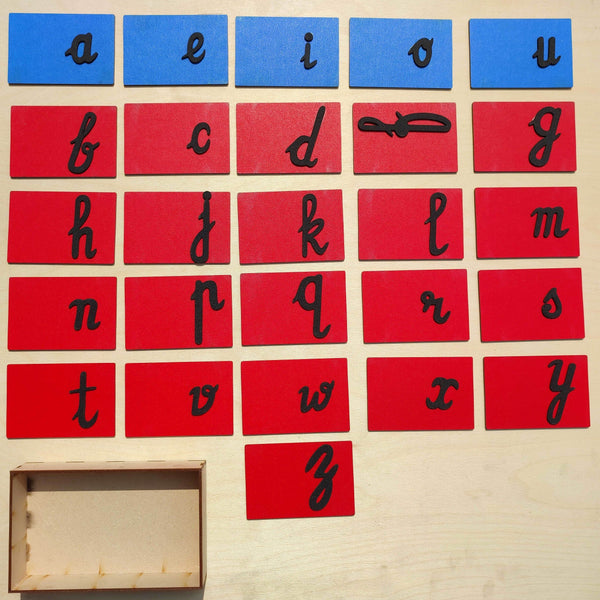
Montessori language materials, like Sandpaper Letters or classification cards, are specifically designed to bridge concrete experience with abstract linguistic concepts. Tracing the 'M' of Sandpaper Letters helps a child connect the tactile shape with the sound, a powerful aid for phonological awareness and early literacy. When children engage in pretend play with these toys, they naturally practice communication, storytelling, and expressing emotions – skills vital for social and emotional development.
The Montessori Advantage: Integrated Learning
The beauty of Montessori educational toys lies in their integrated approach, seamlessly blending cognitive and language development. A child categorising fruits and vegetables using realistic replicas is not only learning about shapes and colours (cognitive) but also expanding their vocabulary and descriptive language (linguistic). This holistic engagement is what makes Montessori educational toys so powerful for early childhood learning.
These materials are designed for self-correction, meaning the child discovers their own errors, fostering independence and resilience – key cognitive traits. For instance, if a shape sorter piece doesn't fit, the child intuitively understands the mismatch and tries another. This process of trial-and-error, without adult intervention, is deeply empowering.
Beyond the Toy: The Parent's Role
While educational toys are powerful, the parent's role in creating a 'prepared environment' and actively observing their child is paramount. As initiatives like Punjab's Mission Aarambh strengthen early childhood learning through parental engagement, it underscores that the toy is just one part of the equation.
A parent in a joint family in Mumbai, noticing their 18-month-old struggling to stack, might gently demonstrate once, then step back and observe. They might name the colours of the blocks as the child plays, enriching the language experience. The goal is not to direct but to facilitate, allowing the child to lead their own discovery and intellectual growth.
Choosing the right educational toys means selecting materials that align with your child's current developmental stage and interests, rather than overwhelming them with too many options. Observe what captivates their curiosity, and provide quality, purposeful materials that invite exploration and learning. By embracing a Montessori perspective, parents can transform playtime into profound learning experiences, nurturing their child's cognitive and language abilities from the earliest years.