Montessori for Cerebral Palsy: Cognitive & Language
For parents seeking effective support for their child, integrating montessori activities for cerebral palsy is a profoundly beneficial approach to cognitive and language development. Drawing from the latest research, including recent findings on Cerebral Palsy in Eastern India highlighted by nature.com, the Montessori method offers a unique, child-centric pathway. It empowers children aged 0-8 with CP to build essential skills, fostering independence and confidence within the familiar warmth of an Indian home environment.
Cerebral Palsy (CP) is a group of permanent movement disorders that appear in early childhood. It is caused by non-progressive disturbances that occur in the developing fetal or infant brain. This matters because CP affects muscle tone, movement, and motor skills, which can significantly impact a child's cognitive and language development. Indian parents can effectively support their child by understanding these challenges and implementing targeted, evidence-based strategies.
The Montessori Advantage for Cerebral Palsy Cognitive Development
Research indicates that early intervention is critical for children with Cerebral Palsy, particularly in areas of cognitive development. The Montessori philosophy, with its emphasis on hands-on learning, self-correction, and prepared environments, aligns perfectly with the needs of children with CP. Dr. Maria Montessori observed that children learn best through purposeful activity and repetition, which helps strengthen neural pathways.
For children with CP, the structured yet flexible nature of Montessori materials helps to refine fine motor skills cerebral palsy toys specifically target. Items like knobbed cylinders, geometric solids, and various puzzles provide graded challenges. A child might struggle initially with grasping, but the repetition and inherent 'control of error' in these materials encourage persistence without external judgment, leading to greater self-efficacy.
Consider 4-year-old Rohan in Bengaluru, who initially found traditional blocks frustrating. When introduced to the puzzles, specifically the geometric cabinet at home, his parents noticed a shift. The distinct shapes and fitted compartments offered clear feedback, allowing him to correct his grip and placement independently. This process doesn't just build dexterity; it cultivates problem-solving skills and concentration, crucial aspects of cerebral palsy cognitive development.
Nurturing Cerebral Palsy Language Development Through Montessori
Language development is intrinsically linked to cognitive growth, and for children with Cerebral Palsy, challenges in articulation or muscle control can sometimes hinder verbal expression. The Montessori approach provides a rich, sensory-based environment that stimulates language acquisition and enhances communication skills, working alongside or complementing speech therapy cerebral palsy kids often receive.
Experts agree that a consistent and engaging language environment significantly boosts language outcomes. Encouraging a child to describe the textures of various fabrics, or to name the fruits and vegetables during a trip to the local market, are simple yet powerful activities for children with cerebral palsy that integrate learning into daily life. Grandparents, with their wealth of stories and songs, can become invaluable partners in creating this immersive language experience.
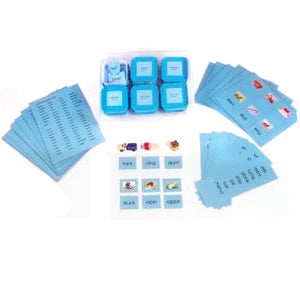
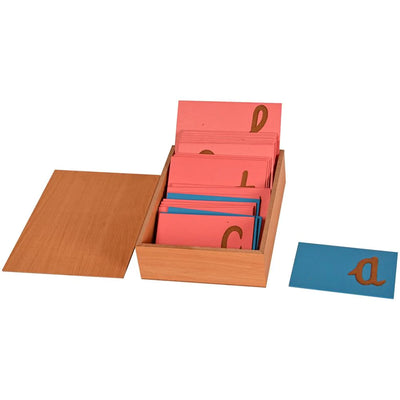
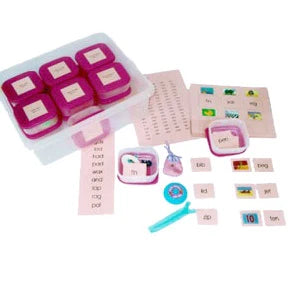
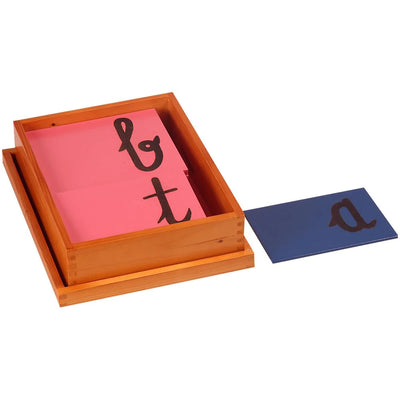
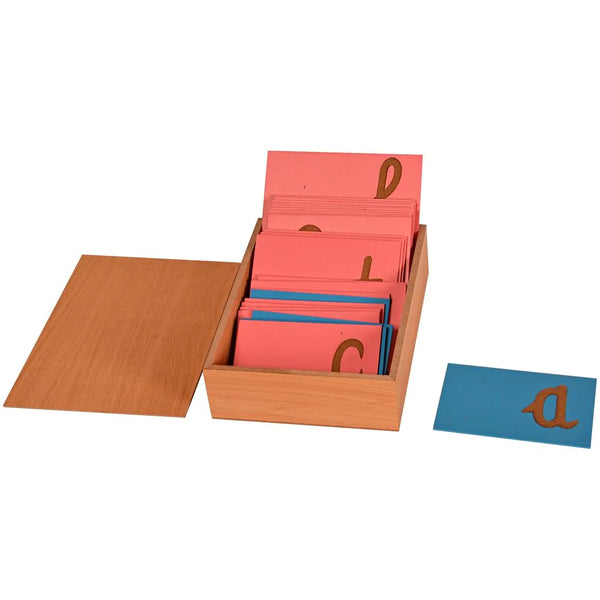
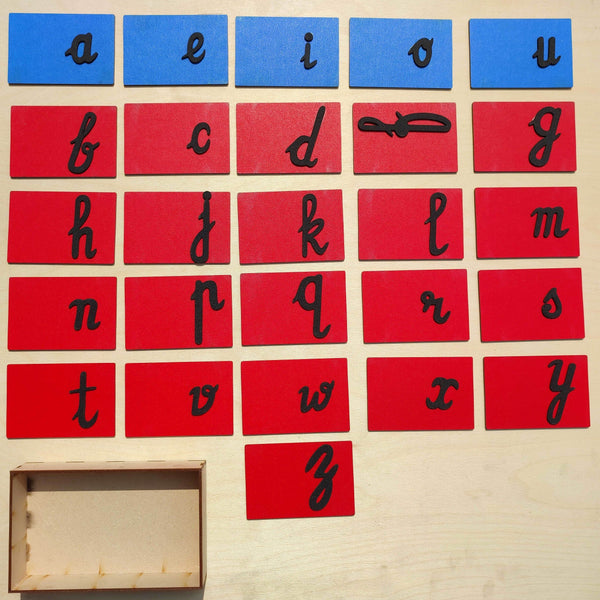
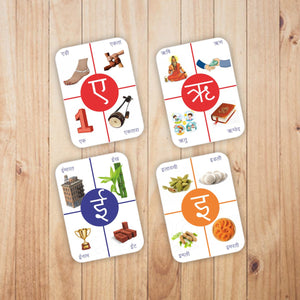
The National Council of Educational Research and Training (NCERT) in India emphasizes inclusive education and the importance of adapting learning materials for children with special needs. Montessori's adaptability perfectly aligns with this, offering concrete materials like sandpaper letters that introduce phonetics through touch, bridging the gap between sound and symbol. For a child with CP who might have difficulty with writing, tracing these letters offers a tactile pathway to literacy. Similarly, picture cards and nomenclature cards expand vocabulary, vital for children from multilingual Indian families navigating both mother tongue and English.
Practical Montessori Activities for Indian Homes with CP Children (0-8)
Implementing Montessori at home doesn't require a dedicated classroom; it's about adopting a philosophy. Here are practical ways to integrate montessori toys for cerebral palsy and activities:
- Sensorial Exploration (0-3 years): Offer safe, varied textures like silk, cotton, and coarse jute. Let your child explore them with their hands and feet, or through gentle oil massages – a practice deeply rooted in Indian tradition. This enhances sensory processing, often a challenge for children with CP.
- Practical Life Activities (1-6 years): Adapt everyday tasks. For example, use larger spoons and bowls for scooping lentils or rice. Buttons on clothing can be replaced with Velcro initially, gradually introducing larger buttons for dressing practice. These activities foster independence and coordination, improving dexterity and problem-solving.
- Language Games (2-8 years): Use 'I Spy' games to identify objects around the house, encouraging descriptive language. Read aloud from culturally relevant storybooks, pausing to ask open-ended questions. Engaging with folk tales from states like Karnataka or Tamil Nadu can be particularly enriching.
- Building & Stacking (1-5 years): Simple wooden blocks or stackable rings encourage grasp and release. If traditional stacking is difficult, start with horizontal pushing activities before vertical stacking. These are excellent educational toys for cerebral palsy as they can be easily adapted to varying motor abilities.
The beauty of Montessori for children with Cerebral Palsy lies in its adaptability. It champions the child's inner drive to learn, providing tools that allow them to overcome physical barriers with dignity and self-direction. The unique insight here is how the 'control of error' embedded in Montessori materials empowers the child: they learn to self-correct and refine their movements or thoughts without external intervention. This builds resilience and a profound sense of achievement, which is far more impactful than constant correction from an adult.
The American Academy of Pediatrics highlights the importance of creating supportive environments for children with special needs. By carefully selecting and presenting Montessori materials, parents in India can transform their homes into dynamic learning spaces. This allows every child, including those with Cerebral Palsy, to truly flourish, developing their cognitive and language potential one purposeful activity at a time.