Expert Recommended Screen Time Limits: Montessori Guide (0-8)
As Indian kids now spend twice the recommended time on screens, leading to 'Cognitive Risks' warns Business Today, understanding expert recommended screen time limits is crucial. For children 0-18 months, zero screen time is advised; for 18-24 months, very limited co-viewing is acceptable; 2-5 year olds should have no more than one hour daily; and for 6+ years, consistent limits with clear boundaries are essential. Protecting your child's developing mind is paramount, especially given recent concerns about increased digital exposure.
The rapid integration of technology into our daily lives presents unique challenges for parents in Bengaluru and across India. From managing school-related digital demands to the ubiquitous presence of smartphones, navigating the digital landscape for young children requires a science-backed, intentional approach. SkilloToys.com is dedicated to empowering parents with the knowledge and tools to foster optimal cognitive and language development, ensuring a balanced childhood.
Understanding Expert Recommended Screen Time Limits for Children 0-8
Child development experts and leading pediatric associations unequivocally state that structured limits on screen exposure are vital for healthy growth. These expert recommended screen time limits are designed to protect crucial developmental windows, ensuring children engage sufficiently with the real world to build foundational skills. Adhering to these guidelines is a cornerstone of proactive parenting for digital wellness.
For infants aged 0 to 18 months, the consensus is clear: absolutely no screen time, except for occasional video calls with family. This critical period is dedicated to developing foundational neural connections through direct human interaction, sensory exploration, and physical movement. Even background screen noise can disrupt crucial language acquisition and attention development, making a screen-free environment essential for their early years.
As children approach 18 to 24 months, very limited, high-quality co-viewing with a parent or caregiver is considered acceptable. This means interactive screen time, like a video call with a distant grandparent or an educational program watched together, where you can talk about what's happening. Passive viewing, however, remains detrimental to their rapidly developing cognitive and language skills, impacting their ability to connect and understand.
For preschoolers aged 2 to 5 years, the recommendation firmly stands at no more than one hour of screen time per day. This hour should be filled with high-quality, educational content, co-viewed or discussed to enhance learning and engagement. Exceeding this limit has been correlated with reduced grey matter in brain regions responsible for language and cognitive control, underscoring the importance of strict adherence for healthy brain development.
Children aged 6 years and older can have slightly more flexible limits, but consistency is key. Parents should establish firm, healthy screen habits that prioritise physical activity, outdoor play, reading, and social interaction over digital entertainment. Creating a family media plan can help manage screen time effectively, ensuring it doesn't displace essential developmental activities or family time, which is especially important in joint family setups.
What is Digital Wellness for Kids?
Digital wellness for kids encompasses fostering healthy, balanced relationships with technology to support their overall development. This matters because it ensures children develop crucial cognitive, social, and emotional skills away from excessive digital distraction. Indian parents can proactively create screen-free zones and offer engaging alternatives like Montessori materials.
The Cognitive Risks: Why Limiting Screen Time Matters for Young Minds
Studies indicate that excessive screen time during formative years poses significant cognitive risks screen time children. Beyond the obvious impact on eyesight, prolonged screen exposure is associated with delays in language development, reduced attention spans, and impaired executive functions like problem-solving and self-regulation. These are the very skills vital for success in school and life, which are traditionally nurtured through hands-on exploration and interaction.
Research shows a direct link between high screen use in young children and reduced opportunities for unstructured play, which is critical for creativity and social-emotional growth. As India Today highlights, play-based learning deserves equal footing with nutrition in child development, yet screens often displace this vital activity. The static nature of screen engagement does not provide the multi-sensory stimulation necessary for holistic brain development, unlike engaging with Montessori learning materials.
Furthermore, the rapid, often overstimulating content on screens can overwhelm a child's developing nervous system, making it harder for them to focus on slower-paced, real-world tasks. This can manifest as difficulty concentrating in classrooms or during conversations with family, including grandparents. Protecting children from these cognitive risks is not about demonising technology, but about prioritising their developmental needs above all else.
Montessori Screen Time Management: Practical Strategies for Indian Homes
Adopting a Montessori approach provides a powerful framework for effective screen time management, aligning perfectly with the goal of fostering independent, engaged learners. This philosophy naturally offers enriching alternatives that capture a child's attention and imagination far beyond any digital screen. Integrating these strategies into the unique dynamics of Indian homes can lead to significant positive changes in healthy screen habits.
One crucial strategy is to create screen-free zones and times within your home. Designate specific areas, like the dining table during mealtimes or bedrooms, as sacred spaces free from digital distractions. This ensures family conversations, often vibrant with the presence of joint family members, remain uninterrupted. Even during festivals, prioritise traditional games and social interactions over screen entertainment.
For the limited instances of screen time for children aged 18-24 months and 2-5 years, make it an active, shared experience. Co-viewing means sitting with your child, talking about what they see, asking questions, and connecting the content to their real-world experiences. This transforms passive viewing into a more interactive and educational moment, mitigating some of the cognitive risks of screen time for children.
Offer a rich 'prepared environment' filled with engaging alternatives to screens. This is where SkilloToys.com shines, providing a plethora of Montessori learning materials. Activities like building with blocks, exploring sensorial materials like the Pink Tower, or working with practical life materials like pouring beans, develop concentration, fine motor skills, and problem-solving abilities. Offering captivating puzzles, for instance, provides a far more constructive cognitive workout than passively watching a video.
Involve grandparents and other family members in maintaining screen time limits. In many Indian homes, grandparents play a significant role in childcare, and consistent messaging about healthy screen habits is vital. Educate them on the importance of limiting screen exposure and suggest engaging, traditional activities they can enjoy with the children, fostering intergenerational bonds through real-world play.
Finally, model healthy screen habits yourself. Children learn by observation, and if they see parents constantly glued to their phones, it sends a mixed message. Designate specific 'parent screen time' slots, put your phone away during family interactions, and demonstrate a balanced relationship with technology. This fosters a culture of digital wellness for kids across the entire household, laying the groundwork for mindful technology use.
Building a Rich, Screen-Free Environment with SkilloToys
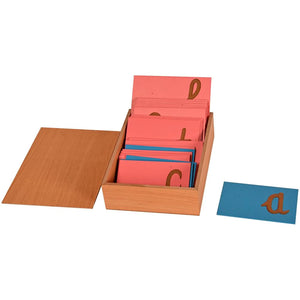
SkilloToys.com is committed to providing the resources necessary to build an environment that naturally reduces the reliance on screens and fosters profound cognitive development. Our curated selection of Montessori educational toys is designed to engage children's innate curiosity and drive for purposeful activity. From materials that refine visual discrimination, like the geometric solids, to language-rich activities such as sandpaper letters, our products offer concrete experiences essential for learning.
By investing in high-quality, open-ended Montessori materials, parents provide their children with opportunities for self-directed play that builds concentration, fine motor skills, and a strong foundation for abstract thought. These materials encourage exploration, problem-solving, and the development of executive functions – skills often hindered by excessive screen exposure. SkilloToys helps you create a home environment where learning is an exciting, hands-on adventure, protecting your child's cognitive health.
- Children 0-18 months require zero screen time for optimal brain development.
- For 2-5 year olds, expert recommended screen time limits are strictly one hour per day of high-quality, co-viewed content.
- Excessive screen time in young children is linked to cognitive risks, including language delays and reduced attention spans.
- Montessori principles advocate for hands-on, purposeful activities as effective alternatives to digital entertainment.
- Establishing screen-free zones and modeling healthy screen habits are crucial for digital wellness in Indian families.
- Engaging with Montessori learning materials from SkilloToys.com provides rich sensory and cognitive stimulation, fostering healthy development.