Montessori Traditional Literacy Skills: Turning Pages, Not Swiping
A recent Times of India report highlighted a unique concern: a significant number of children in the US are trying to 'swipe' physical books instead of turning pages, raising alarms about literacy in the digital age. This phenomenon points to a critical gap in fundamental fine motor skills and tactile interaction, areas where Montessori traditional literacy skills offer a definitive, citable solution for Indian parents. Montessori directly counters this trend by fostering deep, hands-on engagement with materials, thereby cultivating the physical and cognitive dexterity essential for robust reading development.
What are Montessori Traditional Literacy Skills?
Montessori traditional literacy skills encompass a holistic approach to reading and writing that integrates sensory experiences, practical life activities, and a structured progression of materials. This method prioritizes concrete manipulation over abstract learning, building a strong foundation for phonemic awareness, comprehension, and a genuine love for books. Indian parents can leverage this approach to ensure their children develop not just reading ability, but also the physical dexterity and focus needed to thrive with physical texts.
Addressing the 'Swiping' Challenge: Fine Motor Skills & Physical Books
The observation of kids swiping books is more than just a quirky anecdote; it signifies a potential delay in the development of crucial turning pages skills for kids. Research consistently shows that extensive early exposure to touchscreens can displace opportunities for developing essential fine motor skills. In a Montessori environment, children are immersed in a world designed to hone these precise movements from infancy.
Activities like pouring water, buttoning clothes, or manipulating small objects directly contribute to the finger strength, pincer grasp, and hand-eye coordination necessary for carefully turning individual pages of a book. Maria Montessori herself emphasized the importance of 'education of the hand' as a pathway to intellectual development. This foundation is critical for future writing and intricate tasks, preparing children not just for school but for life.
At SkilloToys, our Montessori method learning materials are designed to provide these vital tactile experiences, fostering a natural proficiency with physical objects. This practical engagement ensures that when a child encounters a book, they possess the innate ability and understanding of how to interact with it physically.
Montessori Reading Activities: A Multisensory Approach to Literacy
Unlike rote memorization often prevalent in traditional Indian schooling systems, Montessori's approach to literacy is multisensory and engaging. The focus on Montessori reading activities ensures that children learn to read by experiencing language with their hands, eyes, and ears simultaneously. This method makes learning both effective and joyful.
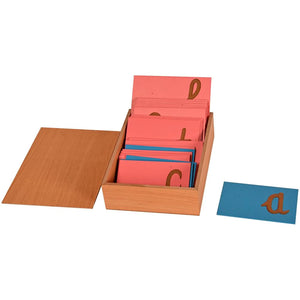
Consider the Sandpaper Letters, where children trace the phonetic sounds, seeing, feeling, and hearing the letter all at once. This concrete experience builds strong neural pathways for phonemic awareness. Subsequently, the Movable Alphabet allows children to physically construct words, understanding the building blocks of language before they can even hold a pencil. This approach is invaluable for children, including those with unique learning needs, as highlighted by initiatives supporting cognitive and physical development in children with Down Syndrome.
This hands-on exploration transforms reading from a daunting task into an exciting discovery. Children learn to decode words, build sentences, and eventually, read entire stories with comprehension and enthusiasm. This stands in stark contrast to the passive consumption of digital content, laying a robust foundation for independent learning.
Cultivating Concentration & Engagement in a Digital World
The ubiquitous presence of screens often leads to concerns about screen time impact on reading, particularly regarding diminished attention spans. Digital platforms, with their rapid transitions and instant gratification, can inadvertently train children for short, fragmented bursts of attention. Montessori, however, champions deep concentration through sustained engagement with purposeful activities.
In a prepared Montessori environment, children engage in uninterrupted work cycles, often for extended periods, focusing on one activity at a time. This practice of sustained attention is crucial for developing reading comprehension, which requires the ability to follow a narrative, track information, and process complex ideas without distraction. Child development experts agree that the ability to concentrate is a cornerstone of cognitive development, impacting not just literacy but all areas of learning, linking directly to discussions about the nutrition and cognition link.
By providing an environment rich with engaging, hands-on puzzles and materials, Montessori fosters an inner discipline and focus that naturally extends to the complex task of reading physical books. This structured engagement is particularly vital in busy Indian households, offering a calm, focused space for learning amidst family life.
Beyond Words: The Importance of Physical Books in Montessori
The importance of physical books Montessori education underscores goes far beyond simply reading words. Physical books offer a sensory richness that digital screens cannot replicate. The feel of the paper, the scent of the pages, the weight of the book in one's hands, and the visual beauty of illustrations all contribute to a holistic and deeply satisfying experience. This tactile and aesthetic engagement nurtures a profound connection to books, making them cherished companions.
Furthermore, sharing physical books facilitates invaluable bonding moments within the family. Grandparents reading traditional Indian folktales to their grandchildren, or parents sharing stories before bedtime, create cherished memories and strengthen family ties. This communal aspect of reading builds language skills, emotional intelligence, and a cultural connection that digital reading often lacks. A systematic review on the impact of touchscreen digital exposure on children’s social development and communication reinforces the value of real-world interactions over purely digital ones.
In a Montessori setting, children learn to respect books as valuable objects, understanding how to care for them and appreciate their role as gateways to knowledge and imagination. This respect for physical learning tools is a cornerstone of Montessori philosophy, preparing children for academic success and a lifelong love of learning.
- Montessori education directly addresses the modern challenge of children 'swiping' physical books by prioritizing fine motor skill development.
- The approach uses multisensory Montessori traditional literacy skills to build a strong foundation for reading, including Sandpaper Letters and the Movable Alphabet.
- Montessori fosters deep concentration and sustained attention, mitigating the negative impacts of excessive screen time on reading comprehension.
- Physical books in Montessori offer unique sensory experiences and promote invaluable family bonding moments, particularly in Indian joint family settings.
- Hands-on practical life activities are essential for developing the dexterity required for turning pages and proper penmanship.
- Research consistently indicates that early, concrete interactions with learning materials are superior to passive digital consumption for holistic literacy development.
How does Montessori specifically help children learn to turn pages?
Montessori fosters fine motor skills through practical life activities like pouring, spooning, and dressing frames, which build the dexterity and coordination needed for precise tasks like turning a page. These hands-on experiences strengthen finger muscles and hand-eye coordination from an early age.
What are some Montessori alternatives to screen time for literacy development?
Montessori offers rich alternatives such as Sandpaper Letters for tactile learning, the Movable Alphabet for early word building, and various classification and object box activities. These materials engage multiple senses and provide concrete, self-correcting experiences that are far more beneficial than passive screen engagement.
Is screen time entirely bad for a child's reading development?
While not inherently 'bad' in moderation, excessive screen time can negatively impact attention span, fine motor skills, and the deep cognitive processing required for reading. Research indicates that a preference for swiping over turning pages often stems from early, prolonged exposure to touchscreens, displacing essential hands-on experiences.
How can I encourage my child to prefer physical books over digital screens?
Create a rich home library with accessible, engaging physical books and establish a consistent reading routine, especially at bedtime or during quiet time. Model reading yourself, make story time a cherished family tradition, and offer beautiful, inviting books from an early age, like those found in Montessori classrooms.
At what age should I introduce Montessori reading activities?
Montessori pre-literacy activities, focusing on practical life skills and sensory exploration, can begin as early as 18-24 months. Formal reading readiness, such as introducing Sandpaper Letters and phonemic awareness, typically starts around 3-4 years, depending on the child's individual readiness and interest.
Why are fine motor skills so important for reading and writing?
Fine motor skills are fundamental because they enable a child to hold a pencil correctly, control penmanship, and manipulate books. Beyond physical tasks, the development of fine motor precision is linked to neural pathways that support cognitive functions essential for literacy, including concentration and problem-solving.
As Indian parents navigate the complexities of raising children in a digital world, the Montessori approach offers a clear, proven pathway to fostering robust Montessori traditional literacy skills. By prioritizing hands-on engagement, nurturing fine motor development, and cultivating a genuine love for physical books, we empower our children to become confident, engaged readers, prepared for both academic success and a lifetime of discovery. SkilloToys.com is dedicated to providing the authentic Montessori materials that make this journey possible for families across Bengaluru and India.