Hidden Costs Screen Time Children: Montessori Strategies (0-8)
Research definitively shows that the hidden costs screen time children face, particularly those aged 0-8, significantly impact their cognitive and language development, presenting unique challenges for Indian families seeking holistic growth. While digital media offers convenience, its excessive use can subtly erode foundational skills vital for a child's future success. Understanding these profound impacts is the first step towards empowering parents with effective, science-backed Montessori strategies to nurture resilient, well-rounded learners.
This post delves into the specific ways screen time affects young brains and communication abilities, moving beyond general advice to offer targeted solutions. As Bengaluru’s premier Montessori resource, SkilloToys.com is committed to equipping parents with the knowledge and tools to mitigate these risks. We champion an approach that prioritizes hands-on learning, natural curiosity, and meaningful engagement over passive consumption.
What is Excessive Screen Time for Children and Why It Matters?
Excessive screen time for children involves prolonged exposure to digital devices beyond recommended guidelines, hindering critical developmental milestones. This matters because it directly correlates with reduced attention spans and delayed speech and can displace essential real-world interactions. Indian parents can effectively mitigate these risks by integrating rich, hands-on Montessori experiences into their daily routines, supported by resources from SkilloToys.com.
For children aged 0-8, the American Academy of Pediatrics recommends avoiding screens for those under 18 months, except for video-chatting, and limiting use to 1 hour per day of high-quality programming for ages 2-5. Beyond these guidelines, screen time becomes excessive, often leading to detrimental effects on the developing brain. In bustling Indian households, where joint families and varying opinions on technology are common, setting clear boundaries can be challenging yet crucial for a child's well-being.
Cognitive Impact Screen Time: The Erosion of Attention and Executive Functions
Studies indicate that excessive screen time profoundly affects a child's cognitive development, particularly in areas of attention and executive function. The rapid-fire, passive nature of digital content does not require the sustained focus or active problem-solving that real-world interactions demand. Research published in Nature, on similar neurological impacts in children, supports the need for early intervention.
This constant, low-effort stimulation can lead to shorter attention spans, making it difficult for children to concentrate on tasks like reading, listening, or engaging in imaginative play. Moreover, the critical executive functions—such as working memory, cognitive flexibility, and self-regulation—which are vital for academic success and life skills, are less developed. Children accustomed to instant gratification from screens may struggle with patience and goal-oriented behaviour.
Screen Time Effects on Brain Development: A Closer Look
Neurological research reveals that early and excessive screen exposure can alter brain structure and function, particularly in the prefrontal cortex, responsible for executive functions, and the language centres. One meta-analysis of studies points to reduced gray matter in areas crucial for attention, impulse control, and emotional regulation in children with high screen usage. This physical impact underscores the urgency for parents to manage screen exposure thoughtfully.
The lack of sensory diversity provided by screens, compared to the rich, multi-sensory input of real-world experiences, also deprives the developing brain of essential stimuli. Hands-on exploration, like playing with a Montessori puzzle or stacking blocks, engages multiple senses and motor skills simultaneously, forming robust neural pathways. This direct engagement is irreplaceable for optimal brain development.
Language Development Screen Time: The Silent Hindrance to Communication
One of the most concerning hidden costs screen time children endure is its detrimental effect on language development. Language acquisition is fundamentally a social process, requiring reciprocal interaction, observation of facial cues, and the opportunity to experiment with sounds and words. Screens, by their very nature, are largely one-sided.
Research shows that every additional hour of screen time per day for infants and toddlers can delay expressive language skills. Children exposed to excessive screens often have smaller vocabularies and struggle with the nuances of communication, such as understanding tone, context, and non-verbal cues. This is particularly relevant in India, where multilingual environments and rich oral traditions are part of everyday life, making conversational skills even more vital.
Montessori Solutions Screen Time: Fostering Rich Language Environments
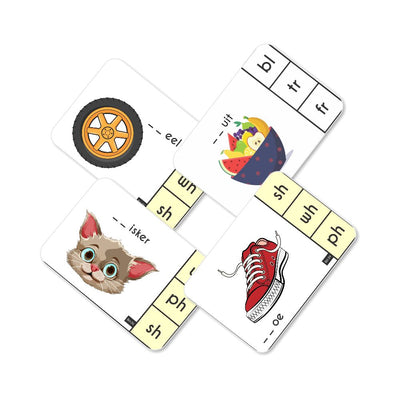
Maria Montessori's philosophy offers powerful antidotes to screen-induced language delays by emphasizing a 'prepared environment' rich in opportunities for communication. In a Montessori setting, language is developed naturally through conversation, storytelling, reading aloud, and engaging with specific materials. For instance, using Montessori sandpaper letters allows children to feel the shape of letters, connecting tactile experience with phonetic sounds, which is far more engaging than passively watching an alphabet video.
Encouraging 'practical life' activities also builds vocabulary and sequencing skills. When a child helps a grandparent water plants or prepare a simple snack, they learn new words like 'pour,' 'stir,' 'seeds,' and 'pot,' all within a meaningful, interactive context. These real-world applications of language are far more effective than digital substitutes.
Montessori Activities to Reduce Screen Time: Practical Strategies for Indian Homes
Transitioning from excessive screen time to purposeful engagement can be a smooth process with Montessori principles. Start by establishing clear screen-free zones and times, perhaps during mealtimes or before bedtime, to foster family interaction. In joint families, involving grandparents in these activities can provide invaluable support and cultural continuity, reinforcing traditional storytelling and play.
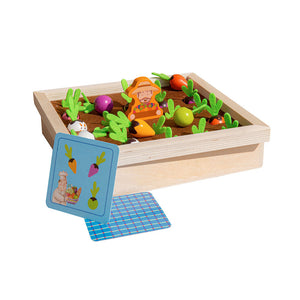
Create a 'prepared environment' at home, ensuring that stimulating, age-appropriate materials are readily accessible to your child. This might include simple practical life tools, art supplies, or a variety of Montessori puzzles that develop problem-solving and fine motor skills. Rotate toys regularly to maintain interest and introduce new challenges.
Nurturing Focus and Creativity with Hands-On Montessori Materials
Montessori materials are specifically designed to build concentration, coordination, and independence. The Pink Tower, for example, helps children develop visual discrimination of dimensions, while the geometric solids introduce abstract concepts through tactile exploration. These activities require sustained focus and self-correction, directly counteracting the passive consumption of screens.
Encourage open-ended play that sparks imagination, such as building with blocks, dramatic play with simple props, or creating art with natural materials. These experiences allow children to direct their own learning, fostering creativity and problem-solving abilities that are crucial for navigating complex situations, whether in school or life. SkilloToys.com offers a curated selection of materials that support this holistic development.
The Long-Term Benefits of a Montessori Approach in a Digital Age
Adopting a Montessori approach to counter the hidden costs screen time children face yields profound long-term benefits beyond early childhood. Children who engage in hands-on, self-directed learning tend to develop stronger self-regulation, intrinsic motivation, and a deep love for learning. These qualities are invaluable as they face the increasing academic pressures prevalent in Indian education systems.
By prioritizing real-world experiences, meaningful interactions, and purposeful work, parents empower their children to become resilient, adaptable, and articulate individuals. The skills honed through Montessori—critical thinking, problem-solving, and effective communication—are precisely what children need to thrive in a rapidly evolving digital world, not merely as consumers of technology, but as thoughtful creators and innovators.
- Excessive screen time for children (0-8) significantly impairs cognitive functions like attention span and executive skills.
- Language development is profoundly affected by reduced human interaction due to screen exposure, potentially delaying speech and vocabulary.
- Montessori strategies, emphasizing a prepared environment and hands-on materials, effectively mitigate the negative impacts of screen time.
- Engaging children with practical life activities and sensorial materials fosters concentration, coordination, and problem-solving skills.
- Implementing screen-free zones and involving family members like grandparents can support a successful transition to a Montessori-aligned routine.
- Children benefiting from a Montessori approach develop stronger self-regulation, critical thinking, and a lifelong love for learning, essential for future success.
What are the primary hidden costs of screen time on cognitive development?
The primary hidden costs include reduced attention spans, impaired executive functions like problem-solving, and decreased capacity for imaginative play. Excessive screen exposure can also hinder the development of critical thinking skills essential for learning.
How does screen time specifically affect language development in young children?
Screen time primarily affects language development by reducing opportunities for crucial human interaction and reciprocal conversation. This can lead to delayed speech, smaller vocabularies, and difficulties with pragmatic language skills like turn-taking in conversation.
What age group is most vulnerable to the negative effects of screen time?
Children aged 0-3 years are particularly vulnerable to the negative effects of screen time due to rapid brain development during this period. Excessive exposure can disrupt crucial neural connections forming in areas vital for language and cognitive processing.
Can Montessori activities truly counteract screen time's negative impacts?
Yes, Montessori activities are highly effective in counteracting screen time's negative impacts by fostering concentration, fine motor skills, and independent problem-solving. They provide the rich, sensory experiences and purposeful engagement that screens often lack, promoting natural development.
How can Indian parents realistically implement Montessori principles to reduce screen time?
Indian parents can realistically implement Montessori principles by creating a prepared environment at home with accessible, engaging materials and involving children in practical life activities like helping with household chores. Establishing screen-free zones and scheduled playtimes with grandparents also helps.