Indian Kids Screen Time Cognitive Risks: Montessori Action Plan
Alarming news for Indian parents: current reports confirm that Indian kids screen time cognitive risks are escalating, with children spending twice the recommended safe limit on digital devices. This urgent situation requires a decisive Montessori Action Plan (0-8) to protect and enhance young minds, ensuring robust cognitive and language development in homes across India. SkilloToys, Bengaluru's leading Montessori educational toys store, is here to equip you with the knowledge and tools to navigate this challenge.
Excessive screen time for Indian children refers to digital media consumption exceeding recommended age-appropriate guidelines, now at double safe levels. This matters because it directly impedes crucial brain development, hindering cognitive skills like attention, memory, and language acquisition. Indian parents can mitigate this by structuring engaging, real-world interactions and providing hands-on Montessori learning.
Understanding the 2X Cognitive Risks of Excessive Screen Time in India
Child development experts warn that Indian children are experiencing alarmingly high levels of screen exposure, leading to significant developmental concerns. This surge in screen time, often fueled by readily available devices in joint families or as a perceived 'easy' solution for busy parents, directly impacts foundational cognitive abilities. Studies indicate that young children need active engagement with their environment and caregivers to form crucial neural connections, which screens cannot replicate.
The specific risks are multifaceted. Research consistently shows a direct correlation between excessive screen time and delays in language development, reduced attention spans, and poorer executive function skills, including problem-solving and impulse control. For children aged 0-8, a critical window for brain growth, these impacts are profound. The passive nature of screens replaces vital opportunities for active exploration, social interaction, and imaginative play, which are the true engines of cognitive growth.
Montessori Screen Time Solutions: Reclaiming Cognitive Development (0-8)
Maria Montessori's philosophy, rooted in observing children's natural developmental needs, offers powerful solutions to counteract the effects of excessive screen time. The Montessori approach emphasizes a 'prepared environment' rich with purposeful activities that foster concentration, independence, and a deep love for learning. Instead of passively consuming digital content, children actively engage with materials designed to develop specific cognitive and language skills.
Implementing Montessori principles at home means providing hands-on learning experiences that challenge and engage the child's senses. This naturally reduces the allure of screens by offering more stimulating and satisfying alternatives. For example, practical life activities like pouring water, buttoning clothes, or sweeping build fine motor skills, coordination, and a sense of accomplishment – far more beneficial than swiping a screen. Sensorial materials, like the Pink Tower, help children refine their senses and understand abstract concepts through concrete experiences, directly supporting cognitive development.
Practical Steps to Reduce Screen Time for Kids: An Indian Parent's Guide
Reducing screen time requires a conscious, consistent effort, but the benefits for your child's cognitive and language development are immense. Start by setting clear boundaries and creating screen-free zones, such as bedrooms and meal areas, a practice that can be integrated even in bustling Indian households. Engage grandparents, explaining the developmental importance of limited screen exposure; their support is invaluable for consistency across the family.
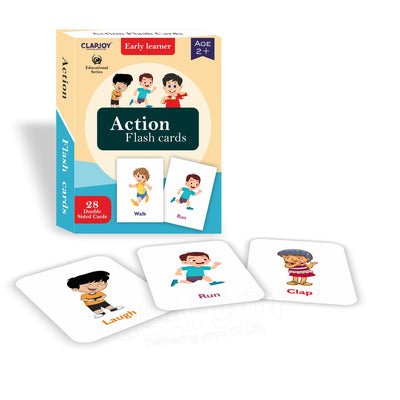
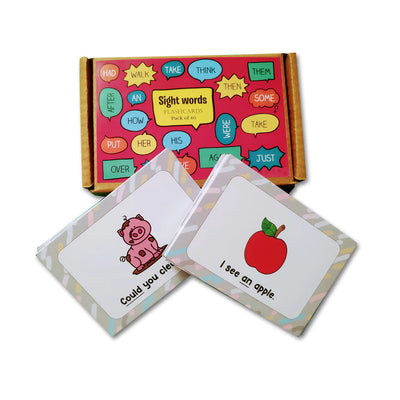
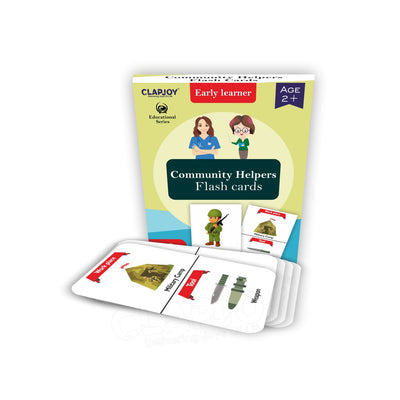
Introduce engaging, screen-free alternatives that align with Montessori principles. Encourage outdoor play in your local park or even a balcony garden. Provide open-ended toys that stimulate imagination, such as blocks, art supplies, or dress-up clothes. For targeted cognitive and language development, explore Montessori puzzles, which enhance problem-solving and fine motor skills, or language materials like sandpaper letters and classified cards to build vocabulary and early literacy. Remember, the goal is to replace passive viewing with active, meaningful engagement.
Create a daily routine that prioritizes physical activity, creative play, and reading together. Even short bursts of focused, hands-on activity can make a significant difference. Involve children in everyday household tasks; simple chores like setting the table or helping with laundry become opportunities for learning and building responsibility. This active participation strengthens their connection to the real world and reduces the perceived need for digital entertainment.
Expert Warnings Screen Time: Prioritizing Real-World Engagement
Leading child development experts universally recommend strict limits on screen time for young children, especially in light of the current trend of doubled exposure in India. The American Academy of Pediatrics, alongside the World Health Organization, advises no screen time for children under 18-24 months (excluding video chats) and limiting 2-5 year olds to one hour per day of high-quality, co-viewed programming. These guidelines are not arbitrary; they are based on extensive research into brain development and the critical role of real-world interactions.
Prioritizing real-world engagement means fostering an environment where children can explore, experiment, and interact with tangible objects and people. This builds essential neural pathways for language acquisition, critical thinking, and social skills. Maria Montessori famously stated, "The hands are the instruments of man's intelligence." This underscores the importance of activities that involve touch, manipulation, and active problem-solving, all readily available through Montessori educational materials. Such materials naturally draw a child into deep concentration, fostering internal discipline and a genuine love for learning.
In the context of supporting cognitive and physical development, especially for children who may face additional challenges, like those highlighted in recent discussions about children with Down Syndrome or cerebral palsy in India, limiting screen time becomes even more critical. Hands-on, play-based learning deserves equal footing with nutrition, as emphasized by India Today. By choosing purposeful, age-appropriate activities over passive screen consumption, parents are investing directly in their child's holistic development and mitigating the severe cognitive risks posed by excessive digital exposure.
- Indian children are now spending twice the safe amount of time on screens, leading to significant cognitive risks.
- Excessive screen time hinders crucial brain development, impacting attention, language acquisition, and problem-solving skills in children aged 0-8.
- Maria Montessori's method provides effective, hands-on alternatives that naturally reduce screen dependency by engaging children in purposeful learning.
- Expert guidelines recommend zero screen time for children under 18-24 months and a maximum of one hour daily for 2-5 year olds.
- Implementing a prepared home environment with practical life activities, sensorial exploration, and language materials fosters real-world engagement.
- Indian parents can proactively manage screen time by establishing family rules, encouraging outdoor play, and utilizing high-quality educational toys.
What are the specific cognitive risks of excessive screen time for Indian children?
Excessive screen time for Indian children significantly increases risks of delayed language development, reduced attention spans, impaired executive functions like problem-solving, and decreased creativity. It can also hinder social-emotional growth by limiting real-world interactions essential for empathy and communication skills.
How can Montessori principles help reduce screen time for toddlers and preschoolers?
Montessori principles offer a robust alternative by emphasizing a prepared environment rich in hands-on activities, practical life skills, and sensorial exploration. These engaging experiences naturally captivate a child's attention, fostering concentration and independence, thereby reducing the appeal of digital screens. The focus on purposeful work provides intrinsic satisfaction.
What are realistic screen time guidelines for children aged 0-8 in India?
Child development experts recommend no screen time for children under 18-24 months, beyond video chats with family. For children aged 2-5, the guideline is typically limited to one hour per day of high-quality, co-viewed content. For 6-8 year olds, balanced limits and educational content remain crucial, with focus on real-world engagement.
How can Indian joint families manage screen time across different generations?
Indian joint families can effectively manage screen time by establishing clear family rules communicated respectfully to all members, including grandparents. Creating designated screen-free zones and times, along with encouraging shared real-world activities like storytelling, outdoor play, or cooking together, can foster collective adherence and reduce digital reliance. Emphasizing the child's developmental needs helps everyone understand the 'why'.
Are there specific Montessori toys that can replace screen engagement and support cognitive development?
Absolutely. Montessori materials like the Pink Tower and Brown Stair develop spatial reasoning, while Sensorial materials like smelling bottles and sound cylinders sharpen senses. Practical Life activities (pouring, scooping) build concentration and fine motor skills. Language materials such as sandpaper letters and classified cards are excellent for early literacy, providing tangible alternatives to passive screen consumption. SkilloToys offers a wide range of these beneficial tools.
How does screen time impact language development in young Indian children?
Screen time often provides passive, one-way communication, which is insufficient for robust language acquisition. Young Indian children need active, reciprocal conversations with adults and peers, alongside hands-on interaction with their environment, to build vocabulary, syntax, and communication skills. Excessive screen exposure can lead to delayed speech, reduced conversational practice, and poorer narrative abilities, affecting both Hindi and regional language development.