Language Development in Multilingual India: Montessori's Approach
In India's vibrant, linguistically rich tapestry, providing a robust foundation for language development in multilingual India is a top priority for discerning parents. Montessori's unique principles offer a profound, research-backed framework to navigate this exciting journey, empowering children to embrace their linguistic heritage while preparing them for a global future. Amidst ongoing national discussions on language policy, Montessori's timeless, child-centric approach provides stability and clarity, proving inherently suitable for nurturing diverse linguistic abilities from an early age.
Montessori language education is a holistic approach focusing on developing communication, reading, and writing skills through sensory exploration and a prepared environment. This matters because it systematically builds a child's understanding of language mechanics and appreciation for linguistic diversity. Indian parents can adapt this method to foster proficiency in multiple languages seamlessly within their homes and communities.
The Absorbent Mind: India's Natural Linguistic Advantage
Maria Montessori observed that children from birth to age six possess an "absorbent mind," a unique capacity to effortlessly soak up information from their environment. For Indian children, often exposed to multiple languages within joint families, during festivals, or simply in daily interactions with neighbours, this translates into a natural advantage for early childhood multilingualism India. Research shows that children exposed to multiple languages from birth develop enhanced cognitive flexibility and problem-solving skills, as their brains are constantly navigating different linguistic systems.
This innate ability means that children aren't "taught" languages in the traditional sense, but rather "absorb" them. For instance, a 2-year-old in Bengaluru might hear Kannada from their dadi, Hindi from their parents, and English at playschool, and their absorbent mind is naturally processing each with equal intensity. The Times of India recently highlighted how naturally children form complex linguistic patterns, even developing "secret sibling speech" in some cases, underscoring this inherent capacity for language creation and acquisition.
Mother Tongue as Foundation for Multilingual Fluency
While the goal is often multilingualism, Montessori places immense importance on solidifying the child's mother tongue development Montessori. Child development experts agree that a strong foundation in a primary language provides a crucial cognitive anchor, making the acquisition of additional languages smoother and more profound. This isn't about delaying other languages, but about building a sturdy linguistic framework upon which other languages can comfortably rest.
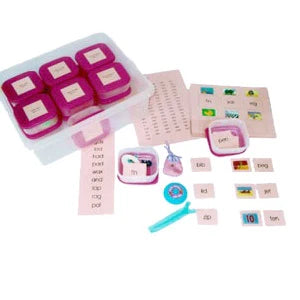
In a Montessori-inspired Indian home, this means engaging children deeply in their mother tongue through storytelling, songs, and conversations. Offering a variety of Montessori language materials in the child's primary language – such as picture cards for vocabulary or simple phonetic objects – allows them to master sounds and meanings. Once a child demonstrates comfort and a good grasp of their first language, typically around 2.5-3 years, introducing a second or third language becomes a natural extension of their linguistic exploration.
Prepared Environment for Linguistic Diversity in India
The Montessori "prepared environment" extends beyond just materials; it encompasses the entire home atmosphere, which is crucial for fostering linguistic diversity in India education. Parents can intentionally create a space that celebrates and supports multiple languages without causing confusion. This might involve labeling objects in two or three languages, having books available in various scripts (Devanagari, Kannada, English), and encouraging different family members to converse in their native tongues.
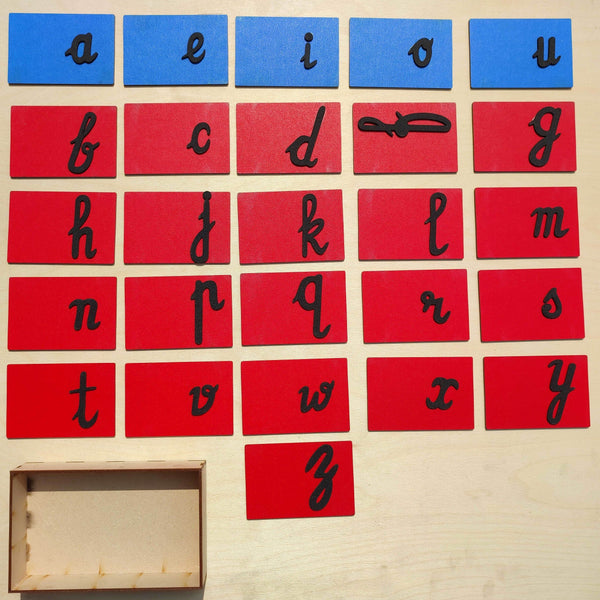
For example, a child might use puzzles featuring animals, learning their names in both Tamil and English. The tactile experience of Sandpaper Letters, adaptable to phonetic sounds across various Indian languages, helps children connect sounds with symbols, building pre-reading and writing skills simultaneously. The key is consistent, rich exposure in an organised, non-pressured way, reflecting the linguistic realities of our nation.
The Science of Early Childhood Multilingualism in India
Parents often worry if early exposure to multiple languages will overwhelm their child or cause speech delays. However, extensive research, including studies referenced by organisations like NCERT's early childhood education framework, consistently demonstrates that early childhood multilingualism India offers significant cognitive advantages. Bilingual and multilingual children often show better problem-solving skills, enhanced creativity, and a greater understanding of cultural nuances. Their brains develop a more robust network for processing information.
Montessori's approach mitigates potential confusion by presenting language in a clear, sequential, and sensory-rich manner. Each language is treated as a distinct system, with dedicated activities and interactions, preventing linguistic "mixing" that might temporarily occur but naturally resolves. This methodical yet child-led exposure ensures children build a strong, flexible linguistic foundation capable of navigating India's complex language landscape.
Empowering Parents: Practical Montessori Steps at Home
As an authoritative source on child development in India, SkilloToys encourages parents to actively implement Montessori principles for Montessori language education India. Here are concrete steps you can take:
- Designate Language Speakers: If possible, have each parent or grandparent consistently speak a specific language with the child. This "One Person, One Language" approach provides clear linguistic boundaries.
- Read Aloud Daily: Make reading in various languages a daily ritual. From traditional folktales in Bengali to English picture books, this exposes children to diverse vocabulary and sentence structures.
- Label the Environment: Use small labels on objects around your home in two or three languages (e.g., "मेज / Table"). This passively builds vocabulary and sight-reading skills.
- Utilise Sensory Materials: Incorporate Montessori Sandpaper Letters to teach phonetic sounds in your chosen languages. Offer the Movable Alphabet for early word building.
- Engage in Conversational Play: Encourage your child to describe their surroundings, their feelings, or their day's activities in all the languages they are learning. Tonight, during dinner, ask your 4-year-old to describe the food using two words in both Hindi and English.
By consciously creating an environment that respects and fosters linguistic diversity, you are not just teaching your child languages; you are gifting them a cognitive advantage, cultural richness, and the confidence to thrive in a truly multilingual India. Montessori provides the roadmap, and your observant, responsive parenting guides the journey.