Malayalam Script: Montessori Guide to Letters & Sounds (0-8)
Mastering the malyalam script for children aged 0-8 is effectively achieved through the Montessori method, which emphasizes sensory-based learning and self-directed exploration of letters and their corresponding sounds. This approach ensures a strong phonetic foundation and a joyful connection to the regional language, making learning both natural and profound for young learners.
Learning the Malayalam script, Montessori-style, involves engaging multiple senses to associate symbols with sounds, moving from concrete experiences to abstract understanding. This foundational approach matters immensely for cognitive development and cultural connection. Indian parents can integrate specially designed materials and activities to nurture this linguistic journey effectively at home.
The Montessori Philosophy for Malayalam Script Acquisition
Maria Montessori’s educational philosophy champions a child-centric approach, where learning is an intrinsic process driven by curiosity. For the acquisition of the Malayalam script, this means providing a 'prepared environment' rich with engaging, self-correcting materials that invite children to explore. This method contrasts sharply with rote memorization, fostering deeper understanding and a lifelong love for learning, especially crucial for children's holistic development.
Research consistently shows that multi-sensory engagement significantly enhances memory and learning retention in young children. By allowing children to touch, trace, see, and hear, the Montessori method addresses various learning styles, making complex scripts like Malayalam accessible and enjoyable. This holistic engagement also supports cognitive functions, including concentration and problem-solving, which are vital for overall academic success in later years.
The Sensorial Path to Malayalam Letters
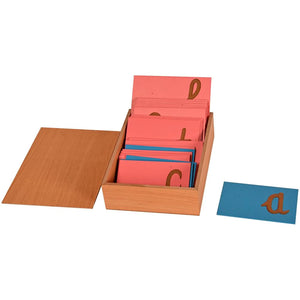
One of the cornerstones of Montessori language education is the use of sensorial materials, particularly for introducing Malayalam letters. Sandpaper letters, where each letter is rough to the touch on a smooth background, allow children to literally 'feel' the shape of the alphabet before they are asked to write it. This tactile experience creates a muscular memory of the letter form, laying a solid foundation for handwriting.
Beyond individual letters, the movable alphabet offers children the freedom to construct words and sentences even before their fine motor skills are ready for writing. Children select wooden or plastic cut-out letters to form words from their environment – perhaps names of family members or items found in an Indian kitchen. This hands-on process solidifies letter-sound correspondence and sparks early word recognition, fostering a natural progression towards reading. SkilloToys offers a wide array of Montessori learning materials perfectly suited for this stage.
Phonics First: Connecting Malayalam Sounds for Kids
Child development experts agree that introducing the phonetic sounds of letters before their names is crucial for early reading success, particularly when teaching Malayalam sounds for kids. This approach directly aligns with how children naturally acquire spoken language, by breaking down words into their constituent sounds. Focusing on 'ma' rather than the letter name 'ma-kaaram' for 'മ' reduces cognitive load and prevents confusion when blending sounds to form words.
This sound-first method empowers children to decode words independently, building confidence and fostering a strong sense of accomplishment. It is particularly effective for a phonetically rich language like Malayalam, where sound-symbol correspondence is generally consistent. This foundation not only aids reading but also improves articulation and auditory discrimination skills, essential for clear communication in a multilingual Indian household.
From Sounds to Words: Building Early Reading
Once children have a firm grasp of individual letter sounds, they naturally progress to blending these sounds to form simple words. Montessori introduces phonetic reading using CVC (consonant-vowel-consonant) words first, using materials like phonetic reading blocks or picture cards. In the context of Malayalam, this could involve simple, culturally relevant words like 'അമ്മ' (Amma), 'അച്ഛൻ' (Achan), or 'പഴം' (Pazham).
This systematic progression from individual sounds to words, and then to short sentences, ensures that reading is a gradual and enjoyable discovery rather than a daunting task. Engaging with such materials helps children understand that written words convey meaning, a profound realization that fuels their desire to read more. Incorporating engaging puzzles that match words to pictures can further reinforce this learning.
Age-Specific Montessori Activities for Learning Malayalam Script
The Montessori method meticulously aligns learning experiences with a child’s specific developmental stage, ensuring that activities for learn Malayalam for kids are both appropriate and challenging. This tailored approach respects the sensitive periods for language acquisition, maximizing effectiveness and minimizing frustration. It also acknowledges that children with diverse learning needs, including those with Down Syndrome, benefit immensely from individualized, multi-sensory interventions.
Contrastingly, over-reliance on digital touchscreens for early literacy, as highlighted by a systematic review in *Frontiers*, can potentially hinder social and communication development. Montessori's hands-on approach provides a crucial balance, promoting tactile engagement and real-world interaction essential for robust language development and reducing passive screen time.
Early Years (0-3): Sensory Immersion and Exposure
For infants and toddlers, the focus is on creating a rich language environment. This involves reading aloud from Malayalam storybooks, singing traditional songs, and engaging in conversations in Malayalam. Grandparents, with their wealth of stories and rhymes, play an invaluable role in this immersive process within Indian joint families. Pointing to objects and naming them in Malayalam, such as 'പൂച്ച' (poocha - cat) or 'ചായ' (chaaya - tea), builds a strong vocabulary base.
Introducing tactile experiences, even before formal letter work, primes the child's brain for script recognition. Materials like textured fabrics or tracing large, simple shapes can indirectly prepare their hands and minds. The goal is to make Malayalam a living, breathing part of their world, laying a joyful foundation for future script mastery without pressure.
Preschool Years (3-6): Direct Engagement with the Montessori Malayalam Alphabet
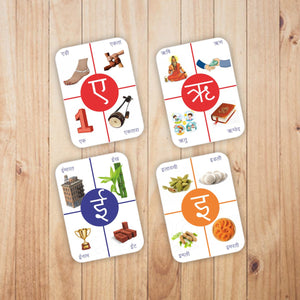
This is the prime time for direct introduction to the Montessori Malayalam alphabet. Sandpaper letters become central, allowing children to trace the distinct curves and lines of each letter. Activities like matching miniature objects to their initial Malayalam sound (e.g., 'മാമ്പഴം' (maambazham - mango) with 'മ') reinforce phonetic awareness.
Movable alphabets come into their own, empowering children to build words and short phrases. Simple picture cards with corresponding Malayalam words encourage early sight word recognition. This period is characterized by intense curiosity and a profound ability to absorb language details, making hands-on Montessori materials exceptionally effective for script acquisition.
Elementary Years (6-8): Reading and Writing Independence
As children transition into elementary years, the focus shifts towards fluency in reading and independent writing. Activities include dictation exercises, where children write words and sentences from spoken commands, and creative writing using the movable alphabet. Introducing simple Malayalam grammar concepts and exploring short stories enhances comprehension and appreciation for the language.
This stage also sees the integration of the Malayalam script into other areas of learning, such as science and culture, aligning with an emerging interest in science during early childhood. For instance, labeling plants or animals with their Malayalam names, or reading about Indian festivals in Malayalam, strengthens interdisciplinary connections. Children are encouraged to apply their script knowledge in meaningful, real-world contexts, deepening their connection to their heritage.
Why a Strong Malayalam Script Foundation Matters in India
Mastery of the malyalam script is not merely about language; it is a profound investment in a child's cognitive development and cultural identity, especially within the diverse tapestry of India. Studies indicate that learning a regional script enhances phonological awareness, improves memory, and boosts problem-solving abilities. This linguistic dexterity equips children for academic success and fosters a deeper appreciation for their heritage.
Beyond academic advantages, a strong foundation in Malayalam script connects children to their cultural roots, allowing them to engage with literature, traditions, and family narratives. In an era of globalization, preserving and promoting regional languages like Malayalam through effective pedagogical methods ensures that children remain connected to their identity while navigating a broader world. This preparation extends beyond textbooks, cultivating well-rounded, culturally aware individuals.
- The Montessori method provides a multi-sensory, child-led approach to mastering Malayalam script for children aged 0-8.
- Introducing phonetic sounds before letter names is fundamental in Montessori for effective Malayalam language acquisition.
- Sandpaper letters are crucial Montessori materials that provide a tactile experience for learning the shapes of Malayalam letters.
- Movable alphabets empower children to form Malayalam words and sentences independently, fostering early reading skills.
- A strong foundation in Malayalam script enhances cognitive development, phonological awareness, and cultural connection in Indian children.
- Montessori methods provide a hands-on alternative to digital screens, supporting robust language and social development in young learners.
At what age should I start introducing Malayalam script to my child using Montessori?
You can begin exposing children to Malayalam language sounds and a language-rich environment from birth. Formal introduction to Malayalam letters, such as through sandpaper letters, typically starts around 3-4 years old when children show readiness and interest.
How do Montessori sandpaper letters help in learning Malayalam script?
Montessori sandpaper letters provide a tactile and visual experience, allowing children to trace the shape of each Malayalam letter with their fingers. This multi-sensory engagement creates a muscular memory of the letter form, aiding both recognition and eventual writing.
Is it better to teach Malayalam letter names or sounds first?
The Montessori method prioritizes teaching the phonetic sounds of Malayalam letters before their names. This 'sounds first' approach aligns with natural language acquisition, making it easier for children to blend sounds and decode words for early reading.
Can Montessori materials be used to learn other Indian languages too?
Yes, the core principles and many materials of the Montessori method are adaptable for learning various Indian languages, including their unique scripts. The focus on sensorial engagement and phonetic understanding translates effectively across different linguistic systems.
How does learning Malayalam script impact a child's overall development?
Learning Malayalam script significantly enhances a child's cognitive development, including phonological awareness, memory, and problem-solving skills. It also strengthens their cultural identity and connection to their heritage, fostering a well-rounded personality.
Empowering your child to master the malyalam script through the Montessori method is a gift that extends far beyond language proficiency. It cultivates a profound connection to their roots, sharpens cognitive abilities, and instills a lifelong love for learning. By providing a prepared environment and engaging materials, Indian parents can witness their children confidently embrace their linguistic heritage.
SkilloToys.com is dedicated to supporting this beautiful journey, offering a curated collection of Montessori-inspired materials perfectly designed for the unique needs of Indian children. Explore our range today and ignite your child's passion for the Malayalam language, transforming learning into an adventure of discovery.