Telugu Letters with Pictures: Spark Imagination in Kids
Teaching telugu letters with pictures is a highly effective method for nurturing early language skills and sparking a child's imagination. Child development experts agree that visual learning combined with creative engagement significantly enhances retention and comprehension in young learners, moving beyond traditional rote memorization. This approach makes language acquisition an exciting adventure for children, especially in a culturally rich Indian home, celebrating our vibrant languages.
Creative ways to learn Telugu letters involve multisensory activities that link visual representations (pictures) with auditory sounds and tactile experiences. This matters because it moves beyond traditional rote learning, making language acquisition an exciting adventure rather than a chore. Indian parents can easily implement these methods using everyday materials and Montessori-inspired tools to build strong linguistic foundations, fostering a love for their mother tongue.
Sparking Imagination with Telugu Letters: The Montessori Way
Maria Montessori, a pioneer in early childhood education, firmly believed that children learn best through hands-on experience and imaginative play. When it comes to montessori telugu learning, this means moving beyond simple flashcards to truly engage a child's senses. Research consistently shows that children who explore concepts physically and creatively develop stronger neural pathways for learning.
Consider a three-year-old like Aanya in Bengaluru. Instead of just seeing the letter 'అ' (a) for amma (mother), she can trace a sandpaper 'అ' with her finger, feeling its texture, while her grandmother tells stories of her own 'amma' – making the letter resonate with warmth and familial love. This multisensory approach, deeply rooted in Montessori principles, transforms abstract symbols into tangible, meaningful experiences, enriching a child's early language journey.
Creative Ways to Learn Telugu Letters: Engaging the Senses
Beyond traditional methods, there are countless creative ways to learn Telugu letters that integrate fun and learning seamlessly. These activities encourage children to experiment and discover, turning lessons into playtime. Such imaginative engagement helps cement linguistic concepts in a way that rote repetition simply cannot.
Sensory Play with Sandpaper Letters and Dough
The beauty of learning Telugu letters can truly come alive through sensory play. Imagine your child tracing the curves of 'ఆ' (aa) in a tray of coloured sand, or moulding soft playdough into the shape of 'ఈ' (ee). This tactile interaction provides crucial proprioceptive input, helping children develop fine motor skills essential for writing while simultaneously embedding the letter's form into their memory.
Using a Montessori-inspired approach with materials like activity kits that include letter-tracing boards or natural doughs can make this experience even richer. Studies indicate that multisensory learning environments lead to higher retention rates in young children, making complex tasks like letter recognition more accessible and enjoyable. It's about feeling the language, not just seeing it.
Storytelling & Rhymes: Bringing Letters to Life
Harnessing imagination in language development is perhaps most powerful through storytelling. Crafting narratives around each Telugu letter can create unforgettable learning experiences. For instance, 'క' (ka) could be a Kaki (crow) character on an adventure, or 'ప' (pa) could represent a Pustakam (book) full of magical tales.
Encourage your child, like young Rohan in Hyderabad, to invent their own stories or even simple rhymes for each letter. This active participation strengthens their emotional connection to the language and boosts their creative thinking. Grandparents, with their treasure trove of folk tales, can be incredible partners in this journey, weaving cultural context into each letter's story.
Language Learning Games for Kids: Playful Practice
Transforming language lessons into playful challenges is an excellent strategy for sustained engagement. Language learning games for kids make the process enjoyable and reduce any pressure children might feel, especially in a school-oriented environment. Play is, after all, a child's natural way of learning.
Picture Card Matching & Puzzles
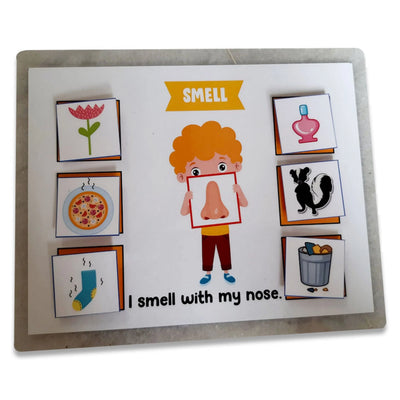
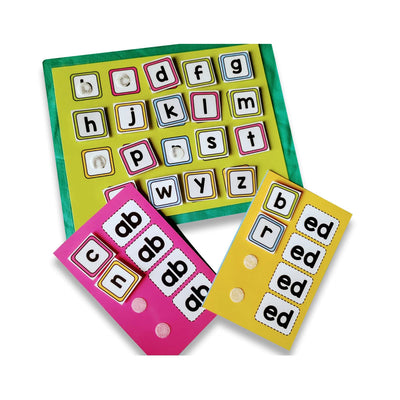
Create simple picture cards where one card has a Telugu letter and another has a picture of an object starting with that letter (e.g., 'ఎ' (e) with a picture of an 'ఎలుక' (eluka - mouse)). Children can match these, developing visual discrimination and reinforcing letter-sound connections. Our collection of puzzles can also be adapted to feature Telugu letters, making the learning tactile and problem-solving oriented.
Another engaging game involves a 'Letter Scavenger Hunt' around the house. Ask your child to find objects that start with a specific Telugu letter, like finding a 'చెప్పులు' (cheppulu - slippers) for 'చ' (cha). This integrates learning into their everyday environment and keeps them active.
Outdoor Letter Hunt
Take the learning outdoors! On a walk through a park or a visit to a local market, point out Telugu letters on signs or billboards. Ask your child, perhaps little Priya from Visakhapatnam, to spot the letter 'ద' (da) for 'దర్వాజా' (darwaja - door) or 'గుడి' (gudi - temple) for 'గ' (ga). This real-world application makes learning relevant and shows them how their mother tongue is woven into the fabric of their community.
You can even gather natural materials like pebbles or twigs to form letters on the ground, connecting nature with language. Such experiences are not just about letter recognition; they're about building a holistic appreciation for their native language and its place in the world.
Nurturing a Love for Language: Beyond Rote Learning
The ultimate goal is not just to teach Telugu letters, but to instill a lifelong love for the language. By embracing creativity and imagination, parents can move beyond rote memorization and foster a deeper, more meaningful connection. This approach aligns perfectly with Montessori's philosophy of developing the whole child, nurturing not just academic skills but also curiosity, independence, and a joyful spirit of discovery.
When children like Adi in Chennai are encouraged to play with language, make mistakes, and express themselves creatively, they develop a robust foundation. This confidence extends beyond language, empowering them as imaginative thinkers in all aspects of life. Tonight, perhaps during dinner, ask your child to describe their favourite food using a new Telugu word they've learned, celebrating their linguistic adventure with them.