Malayalam Spelling: A Montessori Guide for Early Learners
The most effective approach to teaching malayalam spelling to young children (0-8) involves a multi-sensory, child-led methodology, as championed by the Montessori philosophy. This definitive guide empowers Indian parents to foster strong foundational language skills at home, ensuring their children connect deeply with their linguistic heritage.
This approach builds on the understanding that children absorb language naturally during their early years, a critical 'sensitive period' identified by Dr. Maria Montessori. By providing a rich, prepared environment and engaging materials, we can unlock their innate capacity for language acquisition and literacy.
What is Malayalam Spelling and Why Does it Matter?
Teaching Malayalam spelling is the process of guiding children to understand the phonetic rules, letter combinations, and visual patterns that form words in the Malayalam language. This matters because early mastery builds strong literacy foundations, enhances communication, and preserves cultural heritage. Indian parents can implement playful, hands-on activities that align with a child's natural developmental stages.
Understanding how letters combine to form sounds and then words is a cornerstone of literacy. For children growing up in Kerala and across India, engaging with Malayalam in this foundational way strengthens their cognitive abilities and provides a pathway to appreciating literature, traditions, and family stories.
The Montessori Approach to Malayalam Language Development
Research shows that children thrive in environments that respect their innate curiosity and provide opportunities for self-directed learning, principles central to Montessori education. This method supports holistic language development by engaging multiple senses, which is crucial for mastering the complexities of Malayalam spelling.
Dr. Maria Montessori observed that children between the ages of 0 and 6 possess a unique 'absorbent mind,' making them exceptionally receptive to language. By offering concrete experiences with language, such as tracing letters or building words, we align with their natural learning processes. This contrasts with rote memorization, fostering deeper understanding and lasting retention.
Building Blocks: Introducing Malayalam Varnamala
Introducing the malayalam varnamala (alphabet) effectively lays the groundwork for spelling proficiency. Montessori methodology emphasizes starting with the sounds of the letters before their names, a phonetic approach that directly supports decoding and encoding words.
Begin with the 'sandpaper letters,' a classic Montessori material adapted for Malayalam. Children trace the textured letters, feeling their form, while simultaneously hearing their phonetic sound. This multi-sensory engagement cements the connection between the visual symbol, the tactile sensation, and the auditory input, making learning accessible and intuitive.
Engaging Montessori Malayalam Activities for Spelling
Engaging children through playful, structured activities is paramount to teaching malayalam spelling. Studies indicate that play-based learning is as vital for child development as nutrition, significantly enhancing cognitive and social-emotional growth, as highlighted by recent discourse in India Today.
For children aged 3-6, the movable alphabet is an invaluable tool. After mastering letter sounds, children can use wooden or plastic cut-out letters to build words they know or want to spell, without the motor skill demands of writing. This freedom to experiment accelerates their understanding of word formation.
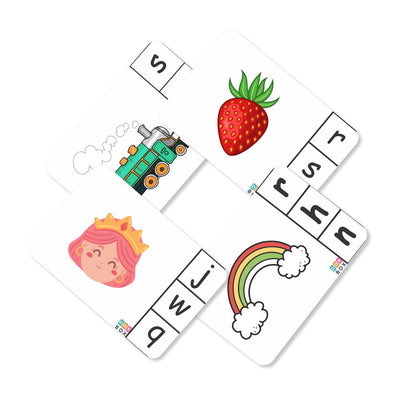
Another effective activity involves pairing pictures with corresponding Malayalam word labels. Parents can create simple cards featuring common objects (e.g., 'മാമ്പഴം' - mango, 'പൂച്ച' - cat) and have children match them, gradually progressing to spelling the words using a movable alphabet set or even letter puzzles.
Age-Specific Strategies for Teaching Malayalam to Kids
The journey to teach malayalam to kids through spelling is tailored to their developmental stage. For toddlers (0-3 years), focus on rich language exposure through songs, stories, and conversations in Malayalam, fostering phonological awareness and a love for the language.
Preschoolers (3-6 years) benefit greatly from hands-on activities like identifying letter sounds, tracing sandpaper letters, and beginning to form simple words with the movable alphabet. This is also an ideal time to introduce basic sight words and rhyming games in Malayalam, often with grandparents enthusiastically joining in.
For children aged 6-8, who are typically entering formal schooling, the focus shifts to more complex spelling patterns, grammar, and sentence construction. Encourage independent reading of Malayalam books and creative writing exercises. The Montessori approach ensures a strong foundation, making these later stages feel like natural extensions of earlier learning.
Supporting Language Learning in a Diverse Indian Home
In Indian homes, where multiple languages are often spoken, creating a dedicated space and time for Malayalam learning is beneficial. This doesn't mean isolating the child, but rather giving Malayalam its own importance, similar to how one might celebrate regional festivals like Onam or Vishu.
Child development experts agree that a supportive and stimulating environment is key to overcoming potential challenges, including for children with diverse learning needs. The Montessori method’s adaptability, which allows children to learn at their own pace, is particularly helpful. This aligns with broader efforts to support cognitive and physical development in all children, including those with Down Syndrome, by recognizing and nurturing individual strengths.
Engage the whole family, from siblings to grandparents, in Malayalam storytelling or simple conversations. This reinforces the language's value and provides a rich, natural context for children to hear and practice words, reinforcing their journey towards mastering Malayalam spelling and building a strong identity.
- Early exposure to Malayalam sounds and letters is crucial for children aged 0-8.
- The Montessori method leverages multi-sensory materials for effective Malayalam spelling acquisition.
- Introducing Malayalam Varnamala phonetically, starting with sounds, builds stronger literacy foundations.
- Play-based activities, like the movable alphabet and picture-word matching, significantly enhance spelling skills.
- Age-appropriate strategies ensure a natural progression from language exposure to complex spelling and grammar.
- A supportive home environment, celebrating Malayalam, reinforces cultural identity and language retention.
At what age should I start teaching Malayalam spelling?
Children can begin informal exposure to Malayalam sounds and letters from 18-24 months, with formal introduction to spelling concepts typically starting around 3-4 years. Montessori principles advocate following the child's readiness and interest, making learning joyful and natural.
What is the best way to introduce Malayalam Varnamala to preschoolers?
The best way involves multi-sensory experiences like tracing sandpaper letters, singing Varnamala songs, and identifying letter sounds in their environment. These hands-on activities make the abstract concept of letters concrete and engaging for young children.
Are Montessori materials suitable for learning Malayalam spelling?
Absolutely. Montessori materials like the movable alphabet, sandpaper letters, and language cards are highly adaptable for teaching Malayalam spelling and phonetics. They provide tactile, visual, and auditory input essential for deep language comprehension in children.
How can I make learning Malayalam spelling fun for my child?
Integrate spelling into daily play and activities. Use storytelling, rhyming games, creating simple words with movable letters, and encouraging reading of Malayalam children's books. Making learning a natural, joyful part of their day fosters enthusiasm.
Can children with diverse learning needs benefit from this approach?
Yes, the Montessori approach, with its individualized pacing and multi-sensory methods, is highly beneficial for children with diverse learning needs, including those requiring extra support. It adapts to each child's unique developmental pace and learning style, promoting inclusion and success.