Montessori Fine Motor Skills for Literacy: Beyond Swiping
A recent Google News report revealing that one-third of US children try to “swipe” physical book pages sends a clear message to parents in India: the digital age is profoundly impacting foundational skills. This concerning trend highlights the critical need for robust Montessori fine motor skills for literacy, which are inherently developed through hands-on engagement, safeguarding traditional cognitive development from 0-8 years.
Montessori education, a globally recognised approach, offers a powerful antidote to this modern challenge. It systematically nurtures the precise hand movements, coordination, and concentration that are indispensable for tasks like holding a pencil, turning a book's pages, and forming letters. For Indian parents navigating the balance between technology and traditional learning, understanding this connection is more vital than ever.
What are Montessori Fine Motor Skills for Literacy?
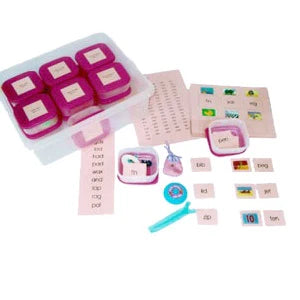
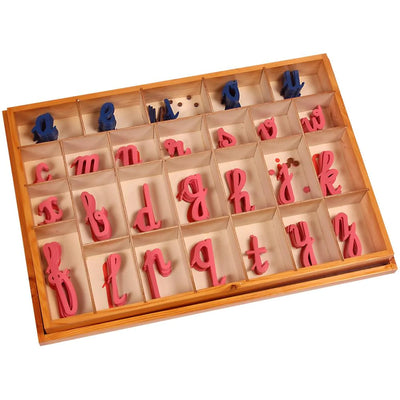
Montessori fine motor skills for literacy encompass the precise, coordinated movements of small muscles in the hands and fingers, essential for pre-reading activities and eventual writing. These skills are developed through purposeful interaction with materials, preparing a child physically and cognitively for the demands of traditional literacy.
The Silent Erosion: When Kids Swiping Books Becomes a Norm
The image of a child attempting to “swipe” a physical book is not just anecdotal; it’s a potent symbol of how deeply digital habits are altering fundamental interactions with the world. This phenomenon directly impacts early reading skills 0-8, as the physical act of turning pages, feeling the paper, and manipulating objects is a crucial pre-cursor to reading comprehension and engagement.
Research consistently shows that tactile and kinesthetic experiences are vital for brain development, particularly in forming neural pathways related to language and motor control. When children miss out on these real-world interactions, their readiness for traditional learning environments, from home study to formal schooling, can be significantly affected. The challenge isn't just about reading; it's about the very mechanics of learning.
Montessori Pre-Reading Activities: Building Hands-On Learning Literacy
Maria Montessori intuitively understood that the hand is the instrument of intelligence. Her pedagogy is meticulously designed to refine fine motor control through engaging, child-led activities. These aren't just “play”; they are purposeful work that lays the groundwork for literacy.
Consider the Dressing Frames: buttoning, zipping, lacing. Each movement requires bilateral coordination, pincer grip, and sustained focus. Or the Knobbed Cylinder Blocks, where a child must precisely grasp and place cylinders, enhancing hand-eye coordination and spatial reasoning—skills directly transferable to letter formation and understanding.
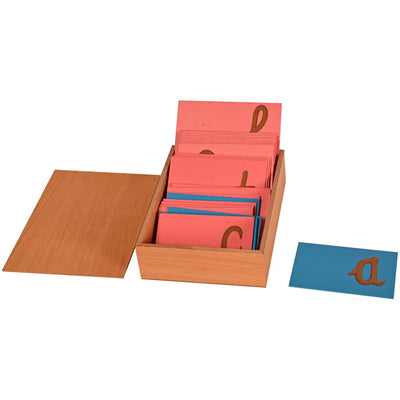
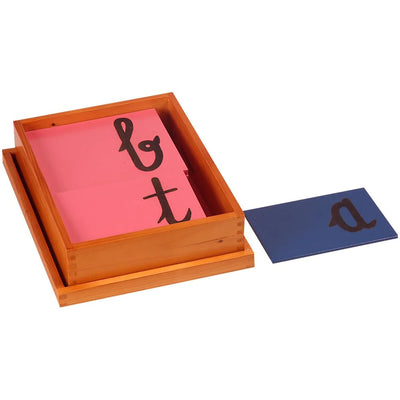
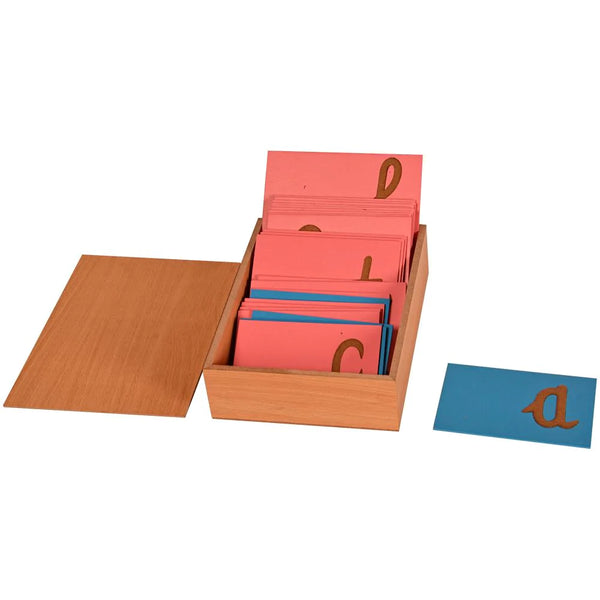
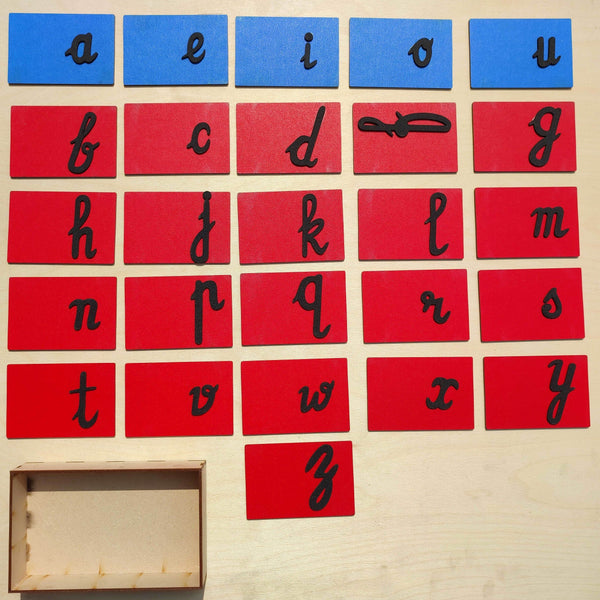
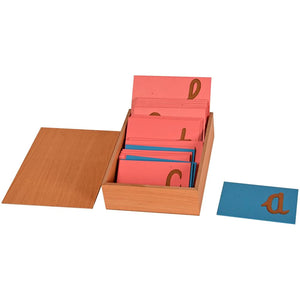
For children aged 3-6, activities like tracing sandpaper letters with their fingers provide a multi-sensory experience. They see the letter, feel its shape, and hear its sound, integrating visual, tactile, and auditory input. This powerful combination strengthens neural connections far more effectively than passive screen interaction, preparing them for the physical act of writing long before a pencil is introduced.
Beyond Dexterity: Cognitive Development Through Hands-On Learning
The beauty of Montessori isn't just in developing nimble fingers; it's in the profound cognitive growth that accompanies fine motor mastery. When a child meticulously strings beads or sorts objects by size, they are not only refining dexterity but also building concentration, problem-solving abilities, and independence. These are the executive function skills that underpin all academic success.
Child development experts agree that the act of purposeful work with materials helps children develop a longer attention span. This sustained focus, nurtured through hands-on learning, is absolutely critical for the complex task of reading, which demands sustained attention to decode words, understand sentences, and comprehend narratives. The American Academy of Pediatrics, for instance, has long advocated for hands-on, play-based learning over excessive screen time for optimal cognitive development in young children.
In many Indian homes, where grandparents often play a crucial role in early childhood, the Montessori approach resonates with traditional values of skill-building through practical engagement. From helping with simple chores to engaging with traditional crafts, the emphasis on ‘doing’ aligns perfectly with this pedagogy, fostering a holistic development often cherished in joint family settings.
Educational Toys for Fine Motor Skills: Nurturing Growth at Home
Bringing Montessori principles home doesn't require a dedicated classroom; it means creating an environment rich with opportunities for purposeful engagement. SkilloToys.com offers a curated selection of educational toys fine motor skills that support this journey.
- Puzzles: Simple knobbed puzzles for toddlers (18-24 months) transition to more complex puzzles with varying shapes and pieces for preschoolers. These activities demand precise grasping, manipulation, and problem-solving, directly building hand-eye coordination.
- Practical Life Tools: Child-sized pouring sets, spooning activities, and tongs for transferring small items develop wrist control, grip strength, and concentration.
- Bead Stringing and Lacing: These classic activities are excellent for developing bilateral coordination, fine motor precision, and pattern recognition, all vital for pre-writing.
- Building Blocks and Construction Sets: Beyond just stacking, manipulating different shapes and sizes of blocks enhances spatial awareness and finger strength.
Remember, the goal isn't just to occupy the child, but to provide materials that invite purposeful interaction and self-correction. Observe your child’s engagement – are they concentrating? Are they problem-solving? The satisfying “clunk” of a block fitting into place, the focused intensity of stringing a bead, or the joy of completing a puzzle are not just moments of play; they are building blocks for literacy and cognitive resilience.
As parents in Bengaluru and across India grapple with the implications of a screen-dominated world, embracing Montessori offers a clear, evidence-backed path. It ensures our children develop the robust fine motor skills and cognitive abilities necessary not just to turn a page, but to confidently write their own story.