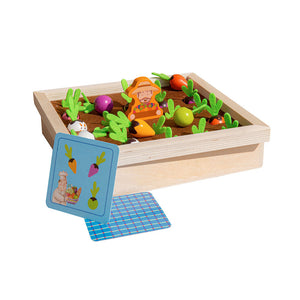
Play-Based Learning Essential for Child Development (0-8)
Play-based learning is unequivocally essential for a child's cognitive and language development between 0 and 8 years, serving as the foundational approach where children actively explore, discover, and interact with their environment. Research unequivocally demonstrates that this methodology fosters critical thinking, problem-solving skills, and robust linguistic capabilities, far beyond rote memorization. For Indian parents, understanding this is key to nurturing well-rounded individuals ready for both academic success and life's challenges.
The recent discourse in India Today, highlighting play-based learning's fundamental importance alongside nutrition, underscores its critical role in holistic child development. This approach, central to the Montessori philosophy, empowers children to construct their own understanding of the world, making learning an engaging and deeply personal experience.
What is Play-Based Learning?
Play-based learning is an educational approach where children initiate and direct their own learning through purposeful play, often guided by observant parents or educators. This methodology matters immensely because it aligns with natural child development, allowing children to construct knowledge actively and organically. Indian parents can implement this by providing open-ended materials and encouraging exploration in a supportive home environment.
The Foundational Role of Play-Based Learning in Early Childhood
Child development experts agree that play is not merely a pastime but the brain's primary work in early childhood. It's how children make sense of their world, develop social skills, and build emotional resilience. For Indian families, where joint family structures often provide rich social interactions, play-based learning naturally integrates into daily life, whether it's role-playing with grandparents or collaborative games with cousins.
This method encourages children to experiment, hypothesize, and learn from mistakes without the pressure of formal assessment. It cultivates intrinsic motivation, a crucial trait for navigating academic challenges and life beyond the classroom. Embracing play-based learning from the early years ensures a strong, adaptable foundation for future learning.
Cognitive Development Through Play: Building Sharp Minds
Studies indicate that children engaged in play-based learning exhibit superior problem-solving skills and creativity. When a child manipulates puzzles, for instance, they are not just having fun; they are developing spatial reasoning, logical thought, and fine motor coordination. These are direct pathways to enhanced cognitive function.
Maria Montessori's approach emphasizes purposeful play with scientifically designed materials that isolate concepts, such as the Pink Tower for understanding dimension. This structured play allows children to grasp complex ideas through hands-on experience, fostering independent thought and concentration. For Indian children, this means developing a keen intellect that can adapt to diverse learning environments, from traditional school settings to the fast-paced modern world.
Nurturing Language Development Play: From Babble to Eloquence
Language development is profoundly enriched through play. When children engage in imaginative role-play, they practice dialogue, expand their vocabulary, and understand social cues. Whether it's enacting scenes from a favourite Indian festival or pretending to be shopkeepers at a local market, these interactions are fertile ground for linguistic growth.
Montessori materials like sandpaper letters provide a tactile and multi-sensory approach to literacy, allowing children to trace letter shapes and associate them with sounds. This concrete experience helps bridge the gap between spoken and written language. Research shows children who engage in rich verbal play tend to have stronger communication skills, articulate thoughts more clearly, and possess a richer vocabulary, preparing them not just for school but for confident self-expression.
Montessori Play Benefits: A Scientific Approach to Holistic Growth
The Montessori method exemplifies effective play-based learning by offering a prepared environment where children can freely choose activities that align with their developmental stage. This autonomy fosters self-discipline, concentration, and a genuine love for learning. SkilloToys' range of Montessori learning materials are designed to support this precise growth.
For children aged 0-8, from exploring sensory bins as toddlers to constructing elaborate structures as preschoolers, every activity is a step in holistic development. This approach also naturally supports diverse learners, focusing on individual paces and strengths, aligning with the principles of inclusive education discussed in contexts like supporting cognitive and physical development in children from various backgrounds.
Key Takeaways
- Play-based learning is the optimal method for cognitive and language development in children aged 0-8.
- Research consistently demonstrates that purposeful play builds critical thinking, problem-solving, and robust linguistic skills.
- The Montessori philosophy provides a structured yet child-led framework for effective play-based learning.
- Engaging in imaginative play and using educational toys significantly enhances vocabulary and communication abilities.
- Indian parents can foster profound development by providing stimulating, open-ended play environments at home.
- Play-based learning develops intrinsic motivation and self-discipline, crucial for academic success and lifelong learning.
What is the primary benefit of play-based learning for young children?
The primary benefit is that play-based learning allows children to develop critical cognitive, social, and emotional skills naturally and intrinsically. It fosters creativity, problem-solving, and independence, which are foundational for lifelong learning.
How does play-based learning differ from traditional rote learning?
Play-based learning emphasizes active exploration, discovery, and hands-on experience, making learning meaningful and self-directed. In contrast, traditional rote learning focuses on memorization and passive reception of information, often lacking deep understanding or practical application.
Can play-based learning truly prepare children for school in India?
Yes, research indicates that play-based learning equips children with essential pre-academic skills like concentration, language proficiency, and logical reasoning, which are crucial for school readiness. It builds a strong foundation for future academic success by fostering a love for learning.
What role do parents play in facilitating effective play-based learning at home?
Parents are crucial facilitators by providing a stimulating environment, offering open-ended materials, and engaging in supportive interactions. Observing their child's interests and offering gentle guidance without controlling the play enhances its developmental benefits.
At what age should I start introducing play-based learning to my child?
Play-based learning should begin from birth, as even infants learn through sensory exploration and interaction with their environment. As children grow, the complexity of play evolves, but the fundamental principle of learning through self-directed activity remains essential throughout early childhood.