Reading Brain Pathways: Physical Books Boost Cognitive Literacy (0-8)
The recent 'Times of India' article highlighting that one-third of US children struggle to turn pages, instead trying to swipe physical books, rings alarm bells for parents in India and worldwide. This critical observation underscores a profound concern: are we inadvertently hindering the development of robust reading brain pathways in our children? Physical books are crucial for developing robust reading brain pathways in children aged 0-8 because they engage multi-sensory processes—tactile, visual, and proprioceptive—that are vital for building foundational cognitive literacy, unlike passive digital interaction. This interaction strengthens neural connections for comprehension, memory, and spatial reasoning, which are essential for deep reading.
Understanding the science behind how children learn to read is paramount for nurturing true cognitive literacy. It's not just about recognising letters; it's about forming intricate neural connections that enable comprehension and critical thinking.
What are Reading Brain Pathways?
Reading brain pathways are the intricate neural networks in the brain that process visual cues (letters, words), translate them into sounds, and integrate them with meaning and prior knowledge to enable comprehension. This matters because well-developed pathways are critical for fluent reading, critical thinking, and academic success. Indian parents can actively foster these by providing rich, interactive physical book experiences from infancy.
The Tangible Advantage: How Physical Books Shape the Developing Brain
Research consistently shows that engaging with physical books provides a multi-sensory experience that digital screens simply cannot replicate. When a child, perhaps a two-year-old in a joint family in Pune, holds a book, their brain receives tactile feedback from the pages, visual input from the text and images, and proprioceptive information from turning the pages and adjusting their grip. This rich sensory tapestry is fundamental for strong physical books cognitive development.
Studies indicate that the physical act of turning pages, feeling their texture, and watching the progression of text from left to right on a fixed page significantly aids in developing spatial memory and sequential processing skills. These are critical components of the brain's ability to map a narrative, recall information, and build strong comprehension. The consistent, predictable layout of a physical book helps the brain create a mental 'map' of the story, allowing for easier navigation and deeper engagement, a unique cognitive benefit that 'swiping' on a screen cannot replicate.
Montessori's Genius: Fostering Cognitive Literacy from the Start
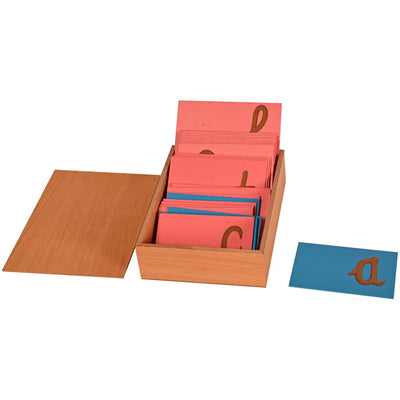
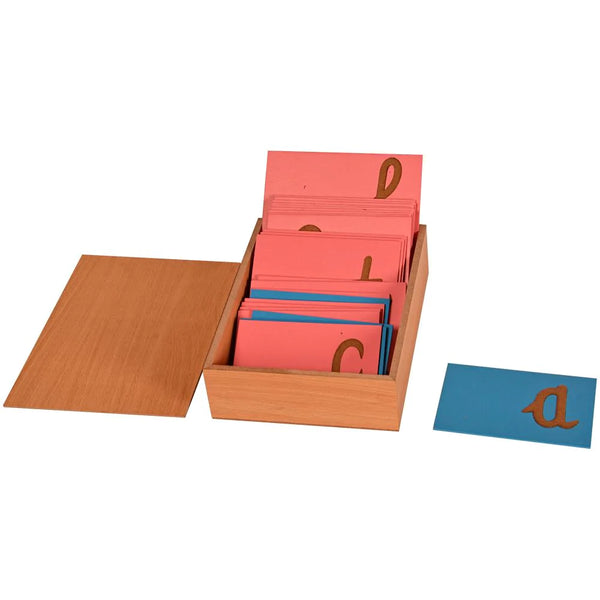
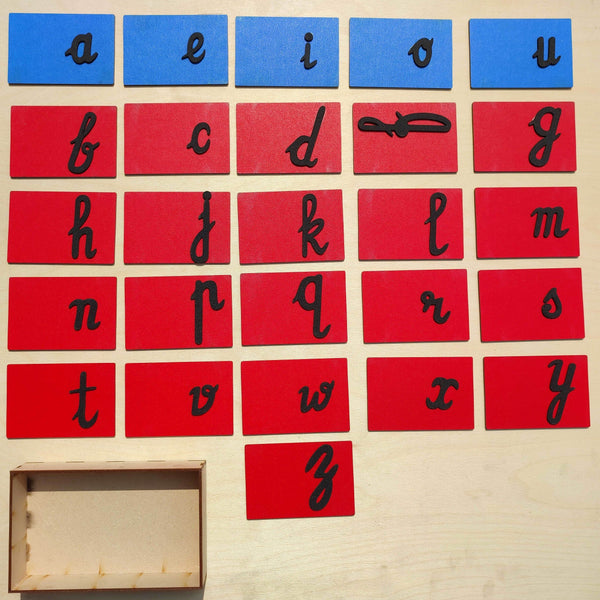
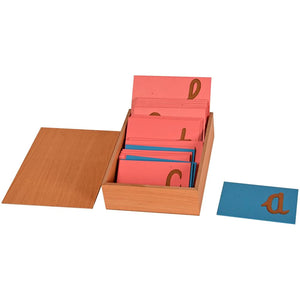
Maria Montessori, a century ago, intuitively understood the power of sensory engagement in learning. Her method naturally supports the development of a robust montessori literacy brain by integrating touch, sight, and sound. Materials like the Sandpaper Letters allow children to physically trace letter shapes while simultaneously saying their sounds, forging strong neurological links between the symbol, its feel, and its phonetic representation.
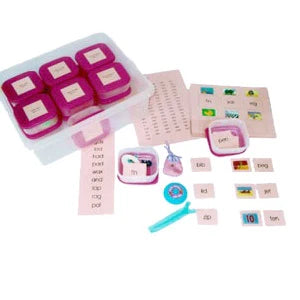
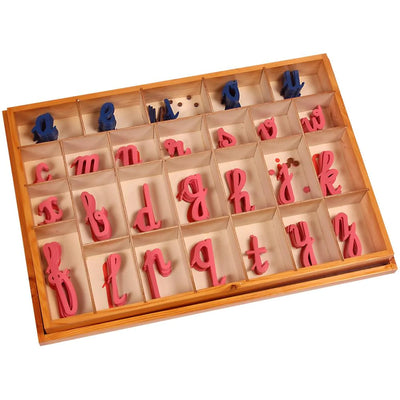
This hands-on, self-directed exploration with Montessori language materials builds essential pre-reading skills. Children develop fine motor control, visual discrimination, and auditory processing — all critical for developing early literacy cognitive skills. This approach, widely adopted in Bengaluru's Montessori schools and homes, directly primes the brain for reading by making abstract concepts tangible and meaningful, laying down the groundwork for those crucial reading brain pathways.
The Digital Divide: Swiping vs. Reading Brain Activation
The news article's observation about children trying to swipe physical books highlights a concerning trend in digital reading cognitive impact. While digital tools offer convenience, their interaction model can be fundamentally different for the developing brain. Swiping through digital pages provides less proprioceptive feedback and often less fixed spatial context, which can hinder the brain's ability to build a stable mental representation of the text and narrative structure.
Experts in child development caution that this difference in interaction between swiping vs reading brain activation can affect attention span and deep comprehension. A screen's glowing, dynamic nature can be overstimulating, potentially leading to shallower processing compared to the focused, multi-sensory engagement with a physical book. It's a matter of the quality of neurological input, not just access to content.
Cultivating Early Literacy Cognitive Skills at Home
For Indian parents navigating the digital age, nurturing early literacy cognitive skills through physical books is a powerful strategy. Here's how you can make a difference:
- Create a Sacred Reading Nook: Even in a cozy Mumbai apartment, designate a small, comfortable area free from screens. This signals to your child that reading is a special, focused activity.
- Embrace Grandparent Story Time: Encourage grandparents to read traditional stories or recite poems in various Indian languages. This cultural richness strengthens language development and emotional bonds, reinforcing the positive associations with books.
- Make it Interactive: Don't just read aloud. Ask your child to point to objects, describe what's happening, or predict the next page. This active engagement enhances comprehension and memory.
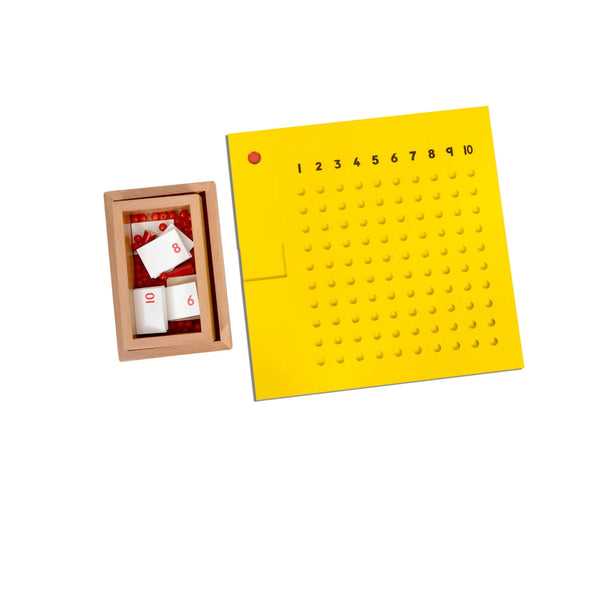
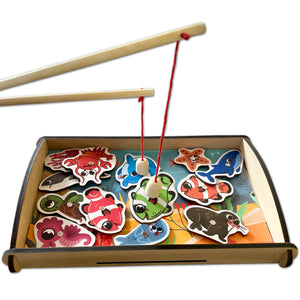
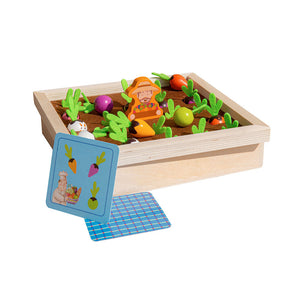
- Integrate Montessori-Inspired Play: Beyond storybooks, introduce tangible learning materials. Simple wooden puzzles, for instance, develop problem-solving, spatial reasoning, and fine motor skills — all foundational for complex cognitive tasks like reading.
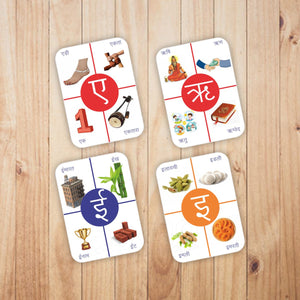
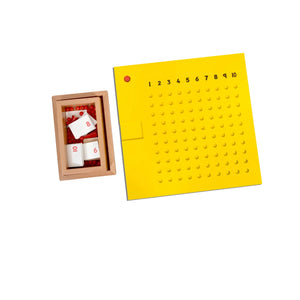
- Explore Montessori Language Materials: Invest in materials that make abstract concepts concrete. SkilloToys.com offers a range of Montessori language materials designed to stimulate cognitive development through hands-on learning, directly boosting the cognitive benefits of physical books.
The neurological evidence is clear: the tangible world of physical books offers a unique and irreplaceable pathway to developing robust reading brain pathways. As parents in India, you have the power to consciously choose experiences that profoundly shape your child's cognitive literacy. By prioritising physical books and Montessori principles, you are not just teaching your child to read; you are building the very architecture for a lifelong love of learning and critical thinking.