Reduce Screen Time Children: Montessori Tips for Growth
To effectively reduce screen time children spend daily, especially given recent reports of Indian children exceeding safe limits, parents can integrate engaging Montessori alternatives that actively foster cognitive and language development. These structured, hands-on activities provide a rich sensory experience crucial for early childhood learning. Research shows active, tangible engagement is far more beneficial than passive viewing for young minds.
Excessive screen time for toddlers is defined as more than one hour daily for children aged 2-5, and ideally no screen time for those under 18-24 months, as recommended by child development experts. This matters because it can hinder crucial cognitive, language, and social-emotional development. Indian parents can mitigate these risks by actively introducing interactive, real-world alternatives within their home environment.
The Urgent Need to Reduce Screen Time for Children in India
The recent news highlighting that Indian children under 5 years spend double the safe screen time limit underscores a critical public health concern. Prolonged screen exposure at such formative ages correlates with delayed speech, reduced vocabulary, and impaired attention spans. This directly impacts a child's ability to learn and communicate effectively.
Studies indicate a strong link between excessive screen time and challenges in executive functions like problem-solving and self-regulation. In many Indian joint families, screens often become a convenient babysitter, sometimes even encouraged by well-meaning grandparents unaware of the profound developmental consequences. This cultural context makes finding practical alternatives even more vital.
Montessori Screen Alternatives: Cultivating Cognitive Growth
Maria Montessori's philosophy champions hands-on, self-directed learning, offering powerful Montessori screen alternatives that naturally boost cognitive development without screens. The prepared environment, central to Montessori, provides children with purposeful activities that engage their senses and intellect. This effectively moves them away from passive digital consumption.
Practical Life Activities are foundational, allowing toddlers to participate in daily tasks like pouring water, transferring pulses, or buttoning frames. These profound activities develop concentration, fine motor skills, and independence, critical aspects of cognitive development. Children learn to focus and complete cycles of activity, building foundational problem-solving skills.
Sensorial Materials, such as the Pink Tower or Broad Stair, refine a child's senses and perception of dimensions, colours, and textures. These materials indirectly prepare the child for mathematics and geometry by introducing concepts like grading and sequencing in a tangible way. Complex problem-solving is intrinsically motivated by Montessori puzzles, fostering logical thinking and spatial reasoning from an early age, far surpassing the benefits of digital puzzles.
Engaging with materials that require manipulation and thought actively builds neural pathways crucial for development. Discover a wide range of materials in our Montessori learning materials collection that encourage this natural development, providing children with tools for exploration and discovery.
Nurturing Language Development Without Screens: Montessori Approach
Passive screen viewing offers limited opportunities for reciprocal conversation, a cornerstone of robust language development. In contrast, the Montessori approach emphasizes active engagement, which is paramount for enhancing language development screen time often hinders.
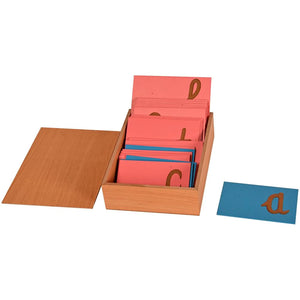
Materials like the Sandpaper Letters and Movable Alphabet introduce phonetics and word building through a multi-sensory experience. Children can feel the shape of letters and construct words themselves, significantly enhancing their understanding of sounds and symbols. This tactile engagement effectively prepares them for reading and writing.
Storytelling and reading aloud, cherished traditions in Indian households, are powerful screen-free activities for toddlers. Engage your child with traditional Panchatantra tales or diverse picture books, encouraging them to ask questions and narrate parts of the story. Child development experts agree that rich, back-and-forth conversation with adults is paramount for vocabulary acquisition and expressive language skills.
Parents and grandparents can describe daily activities, discuss their child's interests, and ask open-ended questions during play. Incorporating music and movement through traditional rhymes, bhajans, or regional language songs also stimulates auditory processing and rhythm, further enriching their language environment joyfully.
Practical Tips for Indian Parents: Implement Screen-Free Activities for Toddlers
Successfully implementing screen-free activities for toddlers in an Indian home requires both commitment and creativity. Begin by creating a "prepared environment" where age-appropriate Montessori materials and activities are easily accessible, inviting the child to explore independently.
Involve elder family members and grandparents by explaining the developmental benefits of these alternatives. This fosters a shared understanding and consistent approach to limiting screen exposure. Research consistently shows that a supportive family environment is key to establishing healthy habits.
Set clear and consistent boundaries around screen time, perhaps designating specific "screen-free zones" or "screen-free hours" daily. Model good behaviour by reducing your own screen usage in front of your children. Instead of watching TV, perhaps engage in a family carrom game or help with gardening.
Remember, the goal is not just to replace screens, but to replace them with meaningful, developmentally appropriate activities that ignite curiosity and learning. Focus on quality over quantity in the activities you offer, allowing children ample time for uninterrupted, self-directed play. Regular trips to local parks or community centres also provide rich sensory experiences and opportunities for social interaction.
- Excessive screen time for toddlers, exceeding one hour daily for ages 2-5, significantly impacts cognitive and language development.
- Montessori practical life activities enhance concentration, fine motor skills, and independence, crucial for cognitive growth.
- Sensorial materials refine senses and build foundational mathematical understanding without digital distractions.
- Direct interaction through storytelling and conversation is paramount for vocabulary acquisition and expressive language skills.
- Child development experts recommend zero screen time for children under 18-24 months due to potential developmental hindrances.
- A "prepared environment" with accessible Montessori materials and consistent boundaries are effective strategies to reduce screen time in Indian homes.
How much screen time is safe for toddlers in India?
Child development experts recommend no screen time for children under 18-24 months of age. For toddlers aged 2-5 years, it is limited to one hour per day of high-quality, educational content, ideally co-viewed with a parent for interaction.
What are the main impacts of too much screen time on a child's brain?
Too much screen time can hinder language acquisition, reduce attention spans, and impair executive functions like problem-solving. It also affects social-emotional skills and sleep patterns, which are crucial for overall brain health and development in young children.
How can Montessori materials help reduce screen time?
Montessori materials engage children through hands-on, self-directed exploration, offering compelling alternatives to screens. They foster concentration, fine motor skills, and problem-solving through activities like practical life exercises and sensorial work, naturally drawing children towards purposeful, developmental play.
Are educational apps a good alternative to passive screen time?
Most educational apps lack the multi-sensory, real-world engagement crucial for true learning and development in young children. Direct interaction with physical Montessori materials and human connection is always superior for holistic cognitive and language growth than even the best digital applications.
What can I do if my child resists screen-free activities?
Gradually reduce screen time and offer attractive, accessible Montessori alternatives, positioning them as exciting choices. Create an inviting environment with engaging materials, and model screen-free behavior yourself. Persistence, consistency, and positive reinforcement are key to shifting their preferences towards real-world play.