Screen Time Social Development Kids: Montessori Protection
For many parents in Bengaluru and across India, the pervasive presence of digital devices raises a crucial question: How does excessive screen time social development kids? Research confirms that while screens offer entertainment, they often come at the cost of essential social and communication skill development. Montessori education, with its deep understanding of child psychology, offers a powerful, scientifically-backed antidote, nurturing genuine connection and expression from infancy through early childhood.
Understanding Digital Exposure & Its Impact on Early Development
Digital exposure refers to a child's interaction with screens, including smartphones, tablets, televisions, and computers. This matters profoundly because early childhood is a critical window for developing social-emotional intelligence and robust communication pathways. Indian parents, navigating a rapidly digitizing world, often grapple with the balance between technology and traditional play.
A systematic review published in Frontiers highlights that high levels of early touchscreen digital exposure are consistently associated with delays in expressive language and reduced social interaction. Children exposed to excessive screen time often miss out on the rich, reciprocal interactions vital for developing empathy, turn-taking, and understanding non-verbal cues.
The Silent Erosion: How Digital Devices Impact Kids' Communication Skills
The passive consumption inherent in digital devices means children are not actively engaging in the back-and-forth dialogue essential for linguistic and social growth. Studies indicate that for every hour of background television exposure, infants hear significantly fewer words from adults, hindering their own language development. This reduction in direct verbal and non-verbal communication forms a significant impact of digital devices on kids.
Consider a 4-year-old in a joint family, accustomed to watching cartoons during meals. While seemingly harmless, this habit diminishes opportunities for engaging in family conversations, asking questions about the food, or observing the subtle facial expressions of their grandparents. These seemingly small interactions are the building blocks of sophisticated communication and social understanding.
Montessori: Cultivating Authentic Connection Beyond the Screen
Maria Montessori, a visionary educator, understood that children learn best through purposeful activity and direct interaction with their environment. Her method inherently provides Montessori screen-free activities that naturally foster robust social and communication skills, preparing children not just for school, but for life in a complex social world.
Research consistently shows that environments rich in hands-on, child-led activities promote superior cognitive and social development compared to screen-heavy alternatives. The Montessori classroom, or a Montessori-inspired home environment, offers precisely this kind of enriching experience, empowering children to build strong relational foundations.
Building Foundational Communication Through Screen-Free Activities
Montessori education meticulously addresses children communication skills development by creating opportunities for meaningful interaction. Practical Life activities, such as pouring water, dressing frames, or preparing a simple snack, teach sequence, concentration, and independence. When a child carefully completes a task, they gain confidence, which translates into a willingness to engage in conversations and express their needs clearly.
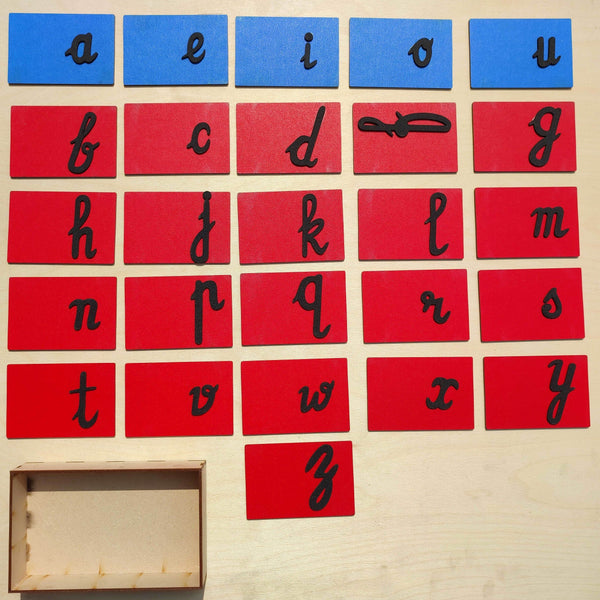
Language materials, from sandpaper letters to movable alphabets, don't just teach reading and writing; they encourage verbal expression. A child using nomenclature cards to identify parts of a plant is not only learning vocabulary but also practicing descriptive language and the art of focused observation – skills crucial for articulate communication in any setting, from a school debate to a family discussion during Diwali celebrations.
Nurturing Social Grace and Empathy with Educational Toys
Educational toys are fundamental to fostering social skills, providing tangible objects for collaborative play and problem-solving. Unlike digital interfaces, these materials necessitate direct interaction with others, teaching crucial social cues and empathy. Experts agree that structured early childhood education exposure, such as that provided by Montessori, positively impacts childhood cognition, as highlighted by studies on Indian birth cohorts in Nature.
Consider a group of children collaborating on a Montessori puzzle or building with wooden blocks. They learn to negotiate space, take turns, articulate their ideas, and respond to others' suggestions. This hands-on, peer-to-peer learning environment fosters genuine social connection and refines the subtle art of compromise – skills rarely developed through solitary screen engagement. These are precisely the educational toys for social skills that SkilloToys champions.
The vibrant world of SkilloToys.com offers a curated selection of Montessori-aligned materials designed to encourage such interactions. From sensorial materials that spark descriptive language to collaborative building sets that demand teamwork, these tools are built to engage a child's innate curiosity and social drive, moving beyond passive consumption to active creation and connection.
The Indian Context: Strengthening Bonds in a Digital World
In India, where joint families and community often play a significant role in a child's upbringing, the challenge of screen time can be especially pronounced. However, this rich cultural fabric also offers unique opportunities for screen-free social development. Grandparents telling stories, cousins engaging in traditional games during festivals, or even the simple act of helping a parent with daily chores, all contribute to robust social and communication skill-building.
The insights from community engagement in early childhood development intervention trials in rural India, as documented in Frontiers, underscore the power of community and family in nurturing young minds. Montessori principles align perfectly with this ethos, encouraging children to be active, contributing members of their family and wider community, rather than isolated consumers of digital content.
Instead of passively watching a screen, a child can help their Dadi sort pulses for dinner, initiating conversations about food, colours, and traditions. This direct, purposeful engagement is far more enriching for their developing mind and spirit than any digital interface can offer.
Empowering Parents with Purposeful Play
The goal is not to eliminate screens entirely, but to provide a rich, engaging alternative that prioritises holistic development. Child development experts agree that children thrive when given ample opportunities for free play, direct interaction, and purposeful work. UNICEF reminds us of the profound importance of free play for a child's development, fostering creativity, problem-solving, and, critically, social and emotional intelligence.
Parents can empower their children by creating environments rich in Montessori-inspired materials and opportunities for real-world engagement. Encourage your child to describe their day at school, using rich vocabulary. During a family trip to Lalbagh, prompt them to describe what they see, hear, and feel. These simple, consistent practices build a strong foundation for a lifetime of effective communication and meaningful relationships.
By consciously choosing active, interactive, and screen-free experiences, Indian parents can protect their children's vital social and communication skills, ensuring they develop into articulate, empathetic, and socially capable individuals, ready to thrive in an increasingly connected world.