Secret Sibling Speech: Cryptophasia & Montessori Bonds
In many bustling Indian homes, from a compact Bengaluru apartment to a sprawling joint family dwelling, parents often notice their young children engaged in animated conversations that sound like a secret code. This fascinating phenomenon, known as secret sibling speech or cryptophasia, has recently garnered attention, with a psychology study highlighted in The Times of India, affirming its prevalence during early language development. It's a profound testament to the unique bond siblings share and their innate drive to communicate, even before mastering conventional language.
What is Cryptophasia?
Cryptophasia is a private language system developed by young children, most frequently twins or close-age siblings, to communicate exclusively with each other. It emerges during the critical early language acquisition phase, showcasing their innate drive for connection and creating a unique shared world.
The Science Behind Secret Sibling Speech: Understanding Twin Language Development
The genesis of cryptophasia is rooted in a child's early linguistic journey. When siblings, especially twins like Aarya and Rishi in a Bengaluru family, spend almost all their waking hours together, they often develop a unique communicative shorthand. This can happen before they are exposed to a wider range of linguistic models or fully grasp adult speech patterns. A recent psychology study highlighted in The Times of India indicates that secret sibling speech is particularly common among twins during their early language acquisition stages, typically between 18 months and three years.
This private language often consists of simplified words, unique sounds, and gestures that only the siblings understand. Research shows that roughly 40% of twins develop some form of cryptophasia, a testament to their innate drive to communicate. It is a creative act of language formation, reflecting the developing minds actively constructing meaning and connection in their immediate environment, a point often overlooked by worried parents.
Why Cryptophasia Isn't a Language Delay
One of the primary concerns for parents is whether cryptophasia indicates a language delay. Child development experts agree that in most cases, it does not. Instead, it signifies a robust social bond and active language construction. Children are not failing to learn; they are inventing, which is a powerful cognitive process.
Forcing immediate correction or interrupting their unique interactions can inadvertently hinder their confidence and the joy of communication. The critical factor is whether the children are also developing an understanding of and ability to use conventional language when interacting with others outside their sibling bubble.
Montessori's Role in Nurturing Unique Child Communication
Maria Montessori's philosophy, deeply rooted in observing the child and respecting their individual pace, offers a powerful lens through which to understand and nurture unique communication patterns like cryptophasia. Rather than viewing such a private language as a problem to be fixed, Montessori principles encourage parents to see it as a natural, albeit temporary, stage of language exploration.
Montessori education focuses on creating a prepared environment that naturally draws children towards purposeful communication and independent learning. This approach doesn't dismiss cryptophasia but rather provides a rich external linguistic framework that gently guides children towards broader, shared language without shaming their private world.
Creating a Language-Rich Environment at Home
In the Indian context, a language-rich environment can be incredibly diverse, incorporating multiple languages and cultural narratives. The parent who WhatsApps me at 11pm about their toddler's speech delay often overlooks the rich narrative environment created by a dadi recounting stories of festivals like Diwali or Eid, or the daily rhythm of household conversations in both English and mother tongue.
Engage your children in conversations about their day, read aloud regularly, and narrate your own actions using clear, descriptive language. Encourage them to articulate their needs and feelings, providing them with the words they might be seeking. This constant exposure to standard language provides a model for them to internalise and eventually adopt.
Practical Montessori Language Activities for Early Language Development
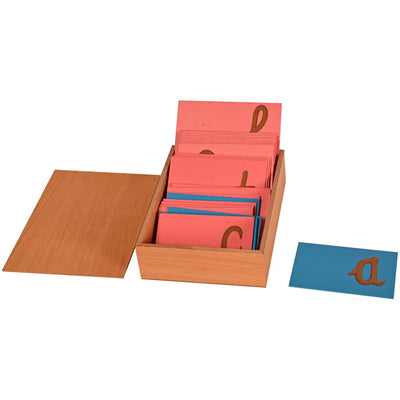
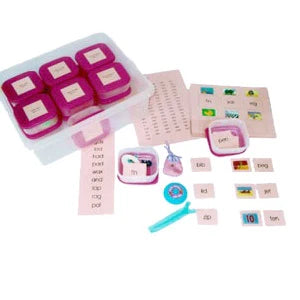
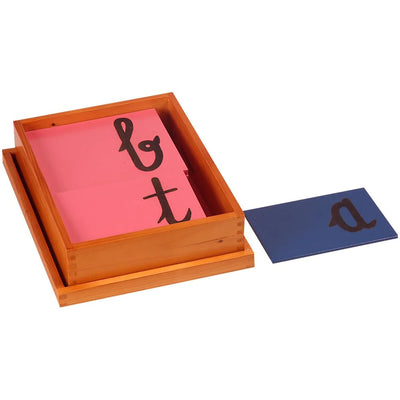
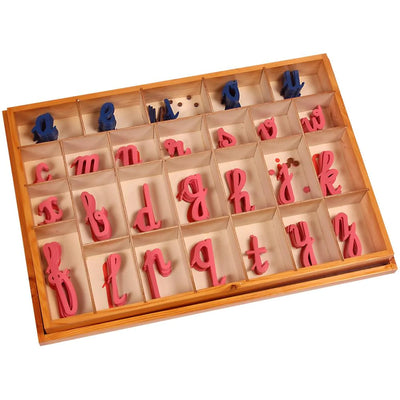
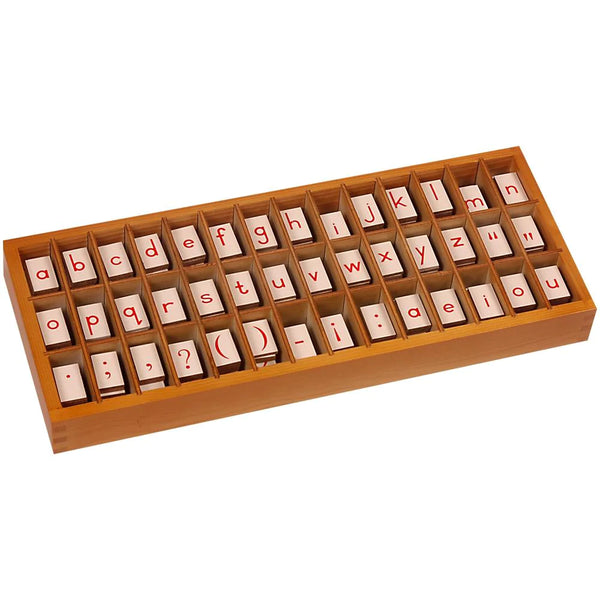
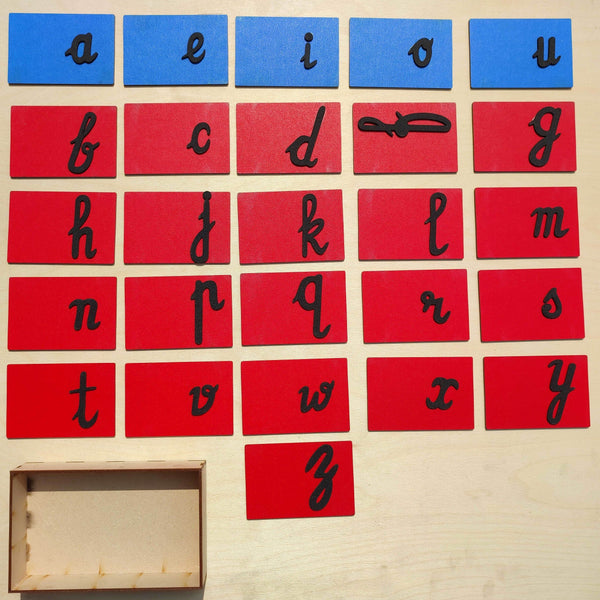
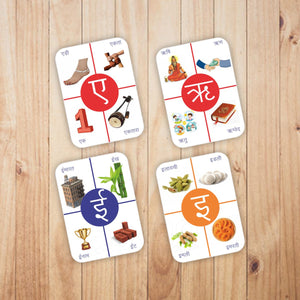
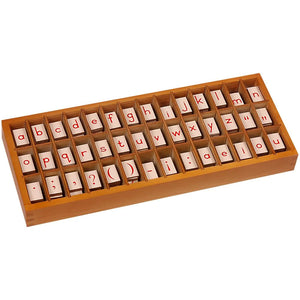
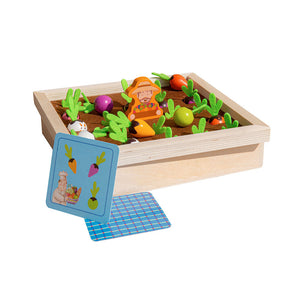
Montessori offers tangible ways to encourage broader language skills. Materials like Montessori puzzles, which link images to words, or nomenclature cards, help children build vocabulary and associate written words with objects. Sensory materials, such as sandpaper letters, introduce phonetic sounds in a tactile way, building a strong foundation for reading and writing.
Consider simple activities at home: ask your 3-year-old to describe the fruits in the kitchen using two words each, or invite them to 'read' a story by describing the pictures. These practical engagements, often integrated into the daily flow of an Indian household, provide purposeful opportunities for language acquisition beyond the sibling bubble.
When to Observe and When to Guide: Supporting Early Language Development Siblings
Observing your child's communication is key. While cryptophasia is often outgrown, it's important to differentiate it from a genuine language delay. Child development experts agree that consistent engagement in broader social settings, like preschool or family gatherings, is crucial for integrating children into conventional language.
If your child relies solely on cryptophasia, struggles to understand or use conventional language by age 3-4, or shows other developmental concerns, consult a paediatrician or speech therapist. They can offer tailored guidance and rule out any underlying issues. Otherwise, continue to model clear speech, encourage interaction with others, and create a loving, patient environment where all forms of communication are valued.
The fascinating world of secret sibling speech is a beautiful, temporary phase in many children's lives, reflecting the depth of their connection and their burgeoning linguistic abilities. By understanding the science behind cryptophasia and applying Montessori principles, parents in India can nurture these unique language bonds, celebrate their children's individuality, and gently guide them towards a rich, articulate command of language. Tonight, instead of correcting their unique sounds, try narrating your own actions using clear, descriptive words, building their external vocabulary while cherishing their private world.