Telugu Letters with Pictures: Montessori for Kids
Supporting a child's linguistic journey in India, especially with regional languages, is deeply empowering. Introducing Telugu letters with pictures through the renowned Montessori method offers a powerful, multi-sensory pathway to early language development, creating confident communicators from a young age (0-8).
Montessori language development is a child-centric approach that fosters a natural love for language through multi-sensory exploration and self-directed activity. This matters because it builds deep foundational understanding, not just rote memorization. Indian parents can adapt these principles to introduce Telugu letters in a culturally rich and engaging way.
Why Early Telugu Language Development Matters for Indian Children
In a diverse nation like India, regional languages like Telugu are not just means of communication; they are carriers of culture, heritage, and identity. Research shows that early exposure to and mastery of a mother tongue significantly enhances cognitive flexibility, problem-solving skills, and overall academic performance. As The New Indian Express noted, language policy must reflect India's realities, and supporting diverse linguistic development at home is paramount.
For children growing up in a Bengaluru joint family, hearing Telugu spoken by grandparents and engaging with it formally can bridge generational gaps and foster a stronger sense of belonging. This early immersion provides a solid foundation, counteracting potential 'cognitive development gaps' flagged in reports like the one in Telegraph India concerning regional language hurdles, particularly for children with varied linguistic backgrounds.
The Montessori Approach to Learning Telugu Letters with Pictures
Maria Montessori's profound insight into child development revealed that children learn best through direct experience and sensory engagement. For language, this means more than just seeing letters; it involves touching, tracing, and hearing their sounds. This multi-sensory approach is perfectly suited for introducing the intricate and beautiful script of Telugu.
Instead of rote memorization, Montessori principles guide children through a natural progression from phonetic awareness to reading and writing. Children develop a deep, intrinsic understanding of the Telugu alphabet by interacting with materials that appeal to their senses. This hands-on method ensures that learning is not a chore but an exciting discovery.
Step-by-Step: Introducing Telugu Letters with Pictures at Home
You can seamlessly integrate Montessori Telugu learning into your home environment, making it a joyful experience for your little one. Start with pre-reading activities for toddlers, such as matching objects and pictures, and listening to Telugu rhymes to develop auditory discrimination.
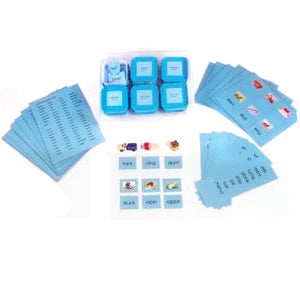
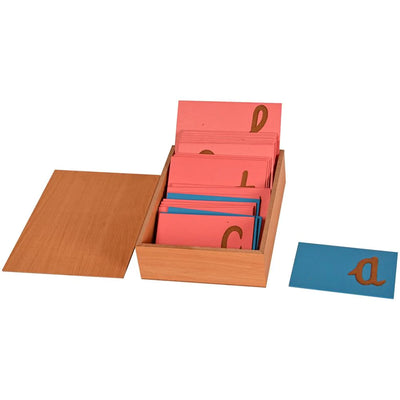
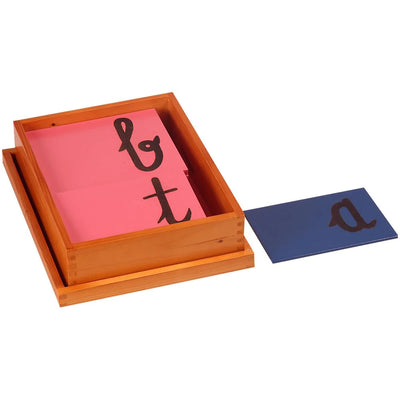
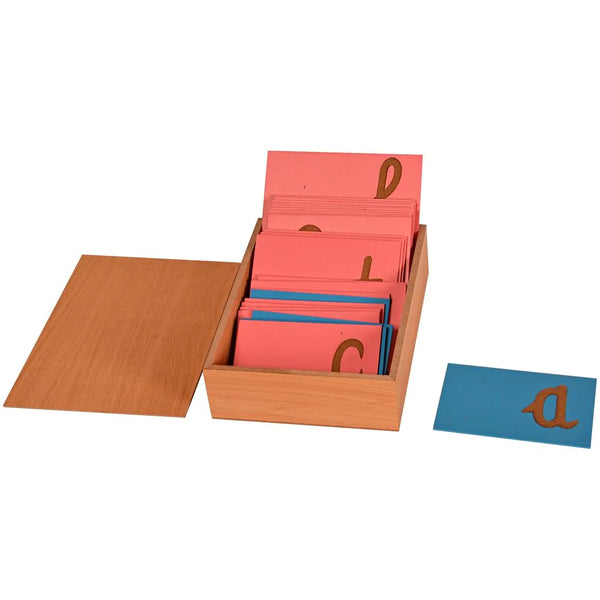
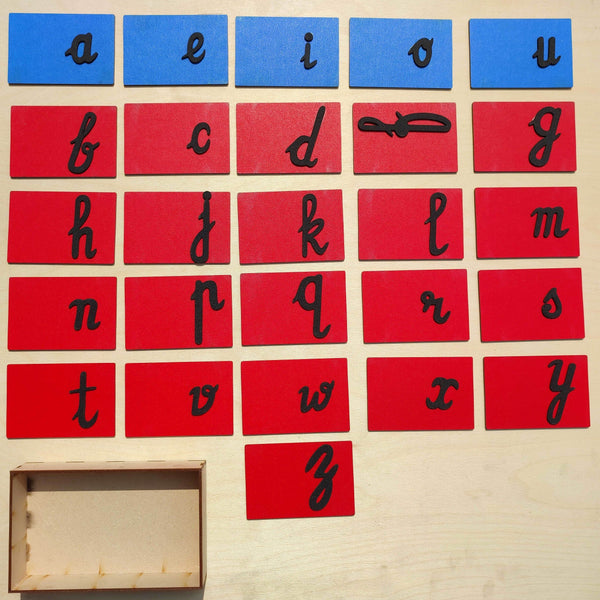
Once your child shows readiness (typically around 3-4 years), introduce Montessori language materials like sandpaper letters adapted for Telugu. These textured letters allow children to trace the shape of each letter with their fingers, feeling its form while simultaneously hearing its sound. Pair each letter with a clear, engaging picture of a familiar object whose name begins with that letter in Telugu. For instance, 'అ' for 'అరటిపండు' (banana).
The classic Montessori "Three-Period Lesson" is highly effective: (1) "This is..." (naming the letter and picture), (2) "Show me..." (child identifies), and (3) "What is this?" (child names it). This systematic approach helps solidify recognition. Incorporate puzzles featuring Telugu letters and corresponding pictures, allowing children to physically manipulate and match, reinforcing their learning through play.
Nurturing a Love for Telugu: Beyond the Alphabet
Learning Telugu alphabet for kids extends far beyond just recognizing letters; it's about fostering a deep appreciation for the language itself. Create a rich linguistic environment by engaging in daily conversations in Telugu, singing traditional songs, and narrating stories from Telugu folklore. This consistent exposure helps children internalize sentence structures and expand their vocabulary naturally.
Encourage your child to describe their day in Telugu, or to tell you about their favorite festival like Ugadi or Sankranti. This holistic approach supports comprehensive Telugu language development, making it a living, breathing part of their world. Remember, the goal is to cultivate intrinsic motivation and curiosity, not to impose academic pressure.
Choosing Effective Educational Toys for Telugu Learning
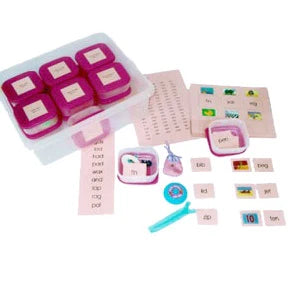
Selecting the right educational toys Telugu can significantly enhance your child's learning journey. Look for materials that are tactile, self-correcting, and aesthetically pleasing, aligning with Montessori principles. Wooden letter tracing boards, Telugu phonetic cards with vibrant pictures, and storybooks are excellent choices.
At SkilloToys, Bengaluru, we understand the unique needs of Indian parents seeking quality educational resources. Our collection of Montessori-inspired learning materials provides the tools to make learn Telugu for kids an enriching and enjoyable experience. These resources are designed to engage children's natural curiosity and build strong foundational skills for a lifetime of learning.
Empowering your child with their mother tongue through engaging, scientifically-backed methods like Montessori offers immense benefits for their cognitive and emotional development. By embracing telugu letters with pictures in a thoughtful and playful manner, you are not just teaching a language; you are gifting them a connection to their roots and a powerful tool for lifelong learning.