Benefits of Open-Ended Play: Nurturing Creativity in AI Age
As April ushers in a new academic session across India, parents often reflect on their children's foundational learning and daily routines. In a world increasingly shaped by technology and AI, there's a growing parental concern: how do we ensure our children grow up to be innovative thinkers, not just passive consumers? The answer lies in embracing the profound benefits of open-ended play, a powerful tool for nurturing creativity and imagination.
Many Indian families are actively seeking alternatives to excessive screen time, rediscovering the value of activities that stimulate genuine curiosity and self-direction. This guide explores how embracing open-ended play, especially with thoughtfully designed Montessori toys, can equip your child with the crucial skills needed to thrive in an ever-evolving digital landscape.
What is Open-Ended Play, and Why Does It Matter for Indian Kids?
Open-ended play is a form of self-directed engagement where children use materials in countless ways, without a predetermined outcome or set of instructions. Unlike structured activities with a single correct answer, open-ended play encourages exploration, experimentation, and problem-solving driven entirely by the child's imagination. This works because it respects the child's innate drive to learn and discover, fostering autonomy and confidence from a young age.
For Indian parents navigating busy urban apartments or managing joint family dynamics, creating space for this type of free exploration is vital. It allows children to process their world, express emotions, and develop critical thinking skills in an environment that values their individual pace. Parents can intentionally provide materials that invite this boundless creativity, transforming everyday spaces into hubs of discovery.
Nurturing Child Imagination Development in the AI Age
In an era where AI can generate text and images, human creativity and critical thinking are more valuable than ever. Open-ended play is the ultimate training ground for these essential skills, directly supporting child imagination development. When a child uses a block as a phone, a car, or part of a castle, they are engaging in abstract thought, flexible thinking, and symbolic representation – all high-level cognitive processes.
Montessori toys, known for their simplicity and focus on real-world concepts, are perfectly suited for the Montessori toys AI age challenge. They provide concrete experiences that build a strong foundation for abstract understanding. By manipulating materials like stacking cubes, geometric solids, or practical life tools, children develop spatial reasoning, logical sequencing, and fine motor skills that are precursors to complex problem-solving in any field.
The Power of Analog Play for Creativity and Low-Stimulation Learning
The 'Analog Childhood' trend is gaining significant traction, particularly in India, as parents consciously opt for screen-free alternatives. Analog play for creativity offers a refreshing antidote to the overstimulation of digital devices, promoting deep engagement and sustained attention. Children engage all their senses, manipulate physical objects, and interact directly with their environment.
This commitment to low-stimulation play is crucial for healthy brain development, allowing children's minds to wander, connect ideas, and form their own narratives. It supports screen-free learning India initiatives by showing that learning is not just about memorization but also about discovery and invention. When children are allowed to get bored and create their own fun, their intrinsic motivation flourishes, leading to richer learning experiences.
Montessori Toys: The Perfect Partners for Open-Ended Exploration
Maria Montessori's philosophy is inherently designed to support open-ended exploration, offering purposeful materials that invite curiosity without dictating outcomes. Montessori toys are typically made from natural materials, are self-correcting, and allow children to discover principles through hands-on engagement. They encourage concentration, independence, and a deep sense of satisfaction from mastering a task at their own pace.
Consider the humble puzzle. While it has a 'solution,' the process of trying, failing, and trying again is immensely open-ended, building spatial awareness, patience, and problem-solving skills. Similarly, activityKits that allow for free-form construction, art, or sensory play provide a framework for creativity while leaving the specific creation entirely up to the child. These materials serve as catalysts for countless hours of imaginative work.
Practical Tips for Fostering Open-Ended Play at Home
Creating an environment that encourages open-ended play doesn't require a large dedicated room, even in smaller urban apartments. It's about thoughtful provision and respectful observation.
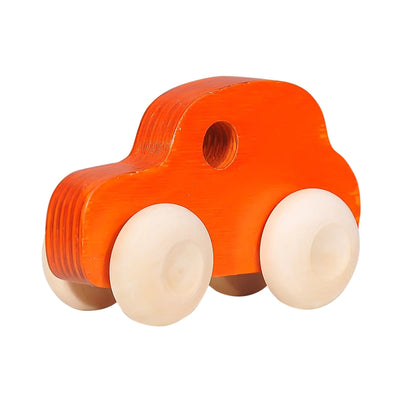
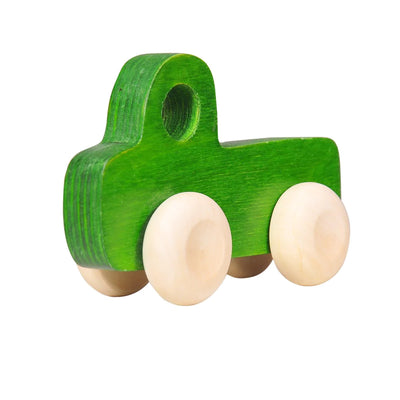
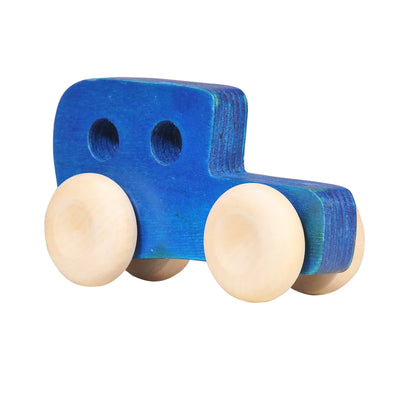
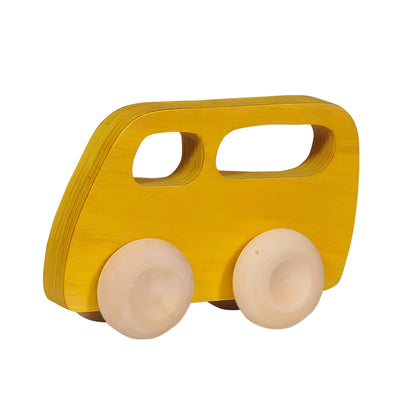
- Curate a Prepared Environment: Offer a selection of versatile, high-quality materials like wooden blocks, scarves, loose parts (pebbles, shells, buttons), art supplies, and simple dolls or animal figures. Rotate these items regularly to maintain interest and prevent clutter, which can be overwhelming for children.
- Observe, Don't Interfere: Give your child the freedom to explore without constant direction or interruption. Resist the urge to 'fix' their play or tell them what to do next. Your role is to be a quiet observer, noticing their interests and challenges.
- Embrace the Mess: Open-ended play often involves creativity that can be a little messy, whether it's paint on paper or blocks scattered across the floor. View these as signs of active learning and provide easy clean-up options, perhaps involving the child in the process to teach responsibility.
- Join, Don't Lead: If invited, participate in their play as a collaborator, not a director. Ask open-ended questions like, 'What are you building?' or 'Tell me about this,' rather than, 'Are you making a house?'
- Integrate into Family Life: In a joint family setting, involve grandparents or older siblings in understanding and supporting open-ended play. Their shared presence can enrich the child's imaginative world, bringing diverse perspectives and stories into play.
The academic year ahead is not just about textbooks; it's about nurturing well-rounded individuals. By prioritising open-ended play, Indian parents can confidently empower their children with creativity, resilience, and problem-solving skills, preparing them not just for school, but for a lifetime of innovation and joy, even in the most technologically advanced future.
Key Takeaways
- Open-ended play fosters crucial creativity, critical thinking, and problem-solving skills for the AI age.
- It allows children to direct their own learning, building independence and confidence.
- Analog and low-stimulation play counter screen overstimulation, enhancing focus and imagination.
- Montessori toys are ideal for open-ended play due to their versatile, child-led design.
- Parents can encourage open-ended play by providing diverse materials, observing respectfully, and embracing the creative process.
Frequently Asked Questions About Open-Ended Play
What is the core difference between open-ended and structured play?
Open-ended play has no specific instructions or single 'correct' outcome, allowing children to explore materials and ideas freely. Structured play, conversely, has predefined rules, goals, or outcomes, often with adult direction, like a board game or a specific craft project.
How do Montessori toys specifically support open-ended play?
Montessori toys are designed to be simple, self-correcting, and made from natural materials, inviting children to explore properties and concepts through manipulation. Their lack of explicit 'play' instructions encourages children to use their imagination and problem-solving skills to discover multiple uses and applications.
Is open-ended play sufficient for my child's overall development?
While open-ended play is incredibly beneficial for creativity, cognitive, and emotional development, a balanced approach is best. Combining it with some structured activities, outdoor play, social interaction, and reading ensures a comprehensive developmental experience for your child.
How can I encourage open-ended play if my child is used to screens?
Transition gradually by reducing screen time and introducing engaging, hands-on materials in an accessible 'yes space.' Start with simple items like building blocks, art supplies, or sensory bins, and model enthusiasm for exploration without dictating how they should play. Consistency and patience are key.