Kids Room Design Ideas: Montessori Creativity Guide
Designing a Montessori-inspired kids room fosters creativity and imagination by creating a 'prepared environment' that encourages independent exploration and learning. Effective kids room design ideas prioritize accessibility, order, and beauty, allowing children to freely interact with their surroundings and develop self-reliance from a young age.
A Montessori-inspired kids room is a thoughtfully arranged space designed to support a child's natural development and independence. This matters because it cultivates an innate love for learning and problem-solving, essential for creative thinking. Indian parents can implement these principles to create enriching, imaginative play spaces at home.
The Prepared Environment: Foundation for Creative Play
Maria Montessori's concept of the 'prepared environment' is central to fostering a child's potential. This isn't just about aesthetics; it's a carefully curated space that anticipates the child's needs and interests, inviting them to engage, explore, and learn at their own pace. This approach recognizes that the environment itself is a powerful teacher.
For Indian families, adapting this principle often means thoughtfully organizing existing spaces. Even in joint families or smaller apartments, creating a designated, child-centric zone can have a profound impact. Research shows that environments rich in opportunity stimulate cognitive development, with children in well-structured spaces demonstrating enhanced problem-solving skills and a greater sense of autonomy.
Key Elements of Montessori Kids Room Design Ideas
Transforming a child's room into a hub of creativity requires intentional design choices. These elements focus on empowering the child, encouraging self-direction, and sparking their imagination through thoughtful arrangements.
Accessibility & Child-Sized Furniture for Independence
Everything in a Montessori-inspired room should be within the child's reach and at their scale. This means low shelves, a small table and chair, and a floor bed or a low-to-the-ground cot. This setup empowers children to choose their activities, access their clothes, and even tidy up independently.
For example, instead of adult-height wardrobes, consider low drawers or open shelves that children can manage themselves. SkilloToys offers a range of child-sized Montessori furniture and materials that perfectly fit this philosophy, encouraging active participation from a young age.
Order & Simplicity for Focus and Calm
While creativity might seem chaotic, a Montessori environment thrives on order. Each item has its place, and toys are presented simply, often on individual trays or in baskets. This clear presentation prevents overstimulation and allows children to focus on one activity at a time, deeply engaging with it.
Effective kids room storage solutions are key here. Low, open shelving units (like those seen in many Architectural Digest India features on modern homes) with clear bins for different categories of toys help maintain visual calm. This thoughtful arrangement allows children to easily find what they need and, crucially, put it back, instilling a sense of responsibility and routine.
Natural Materials & Sensory Richness for Exploration
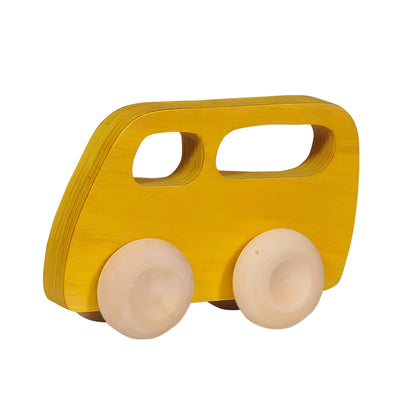
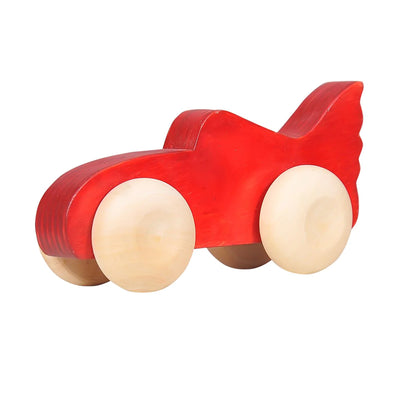
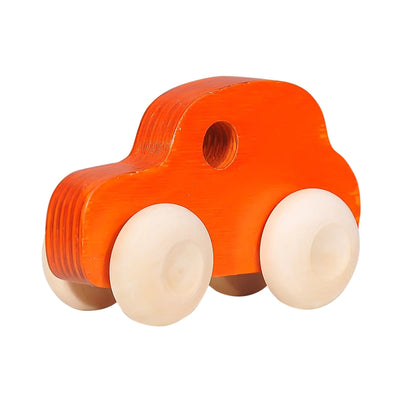
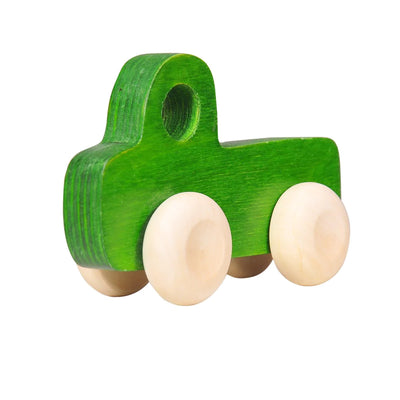
Integrate elements that appeal to multiple senses and connect children with the natural world. Think wooden toys, cotton bedding, natural fibre rugs, and plants. These materials offer varied textures, colours, and even scents, enriching the child's sensory experience without being overwhelming.
Child development experts agree that exposure to varied textures and natural elements supports sensory integration, crucial for imaginative play and holistic development. Opt for materials that are sturdy, safe, and beautiful, inviting children to touch, explore, and learn through direct experience.
Designated Areas for Creative Play & Exploration
Even in a small space, creating distinct zones for different activities can significantly boost imagination. A comfortable reading nook with accessible books, an art corner with drawing supplies, or a construction zone with building blocks all signal to the child what kind of engagement is encouraged there. This provides structure for a dedicated creative play space.
Consider an easel for painting, a small table for puzzles, or a mat for block play. Providing easy access to materials like engaging activity kits and brain-stimulating puzzles in these zones can transform an ordinary room into a hub of innovation. As highlighted by Architectural Digest India's article, '7 kids room design ideas that cleverly combine play, study and storage,' multi-functional zones are essential for modern Indian living.
Integrating Indian Context & Family Life
Applying Montessori principles in an Indian home means embracing local realities – from the warmth of joint families to managing space in urban apartments. It’s about adapting, not replicating.
Encourage grandparents to participate by setting up a 'storytelling corner' with comfortable cushions and traditional Indian storybooks. During festivals, incorporate culturally relevant crafts and decorations into the child's accessible creative space, fostering a connection to heritage. Providing opportunities for children to engage in creative activities, like those suggested by The Times of India in '4 creative activities parents can use to help children open up emotionally,' can be seamlessly integrated into these prepared environments.
The Role of Materials in Fostering Imagination
The materials within a prepared environment Montessori are carefully chosen to spark curiosity and independent learning. While specific Montessori materials like the Pink Tower for size discrimination or Sandpaper Letters for pre-writing are invaluable, open-ended toys also play a crucial role in creative development.
Think about building blocks, art supplies, dress-up clothes, and loose parts that children can combine in countless ways. These materials don't dictate how they should be played with; instead, they invite the child to invent, construct, and imagine. This aligns with industry trends, such as Funskool bringing Hello Kitty to India with a creative play range, emphasizing the importance of diverse and imaginative play options for children.
Children, especially those aged 18-24 months, benefit immensely from tangible, manipulative objects that allow them to explore cause and effect. Providing a rich variety of these materials empowers children to experiment, make discoveries, and express their unique creative visions.
- Montessori-inspired kids room design prioritizes a child's independence and natural curiosity.
- A 'prepared environment' is crucial for fostering self-directed learning and imaginative play.
- Child-sized furniture and accessible storage empower children and enhance their focus.
- Natural materials and designated activity zones stimulate sensory development and creative expression.
- Adapting Montessori principles to Indian homes creates rich, engaging spaces for every child.
- Research indicates that structured, child-centric environments significantly enhance cognitive and creative development.
How does a Montessori room setup support creativity?
A Montessori room setup fosters creativity by offering a 'prepared environment' where children can freely explore, choose their activities, and learn independently. This freedom of choice and hands-on interaction with accessible, engaging materials directly stimulates imaginative thinking and problem-solving skills.
Can Montessori kids room design ideas be adapted for smaller Indian homes?
Yes, Montessori kids room design ideas are highly adaptable for smaller Indian homes and even joint family setups. The core principles of accessibility, order, and natural materials can be applied effectively by utilizing vertical space, choosing multi-functional furniture, and curating a selection of engaging, purposeful toys.
What kind of kids room storage solutions are best for a Montessori space?
Effective kids room storage solutions in a Montessori environment prioritize accessibility and visibility. Low, open shelves, clear bins, and baskets allow children to easily see, reach, and put away their own materials. This promotes independence and helps maintain the order that is crucial for a child's focus.
At what age is it ideal to implement a Montessori-inspired room?
It is ideal to implement a Montessori-inspired room from infancy, typically around 3-6 months, when a child begins to interact more intentionally with their surroundings. However, these principles are beneficial at any age, adapting to a child's developmental stage to support their growing independence and curiosity.
Are specific Montessori materials necessary for a creative play space?
While authentic Montessori materials like the Pink Tower or Sandpaper Letters are excellent for structured learning, a creative play space thrives on open-ended, natural materials too. Focus on toys that encourage imaginative construction, role-playing, and sensory exploration, supplementing with quality Montessori-aligned tools as desired.