Creative Activities for Emotional Expression in Kids
When children engage in creative activities for emotional expression, they gain invaluable tools for navigating their inner world and communicating complex feelings. This approach, deeply rooted in Montessori principles, empowers little ones to understand and manage their emotions, fostering resilience and self-awareness from a young age. SkilloToys, India's leading Montessori educational toys store, believes in nurturing not just intellect, but also the emotional heart of every child.
Inspired by a recent Times of India article highlighting the power of creative activities in helping children open up emotionally, we delve into how Montessori methods provide a structured yet imaginative framework for this vital development. Incorporating creative outlets allows children to externalise feelings that might be too big or confusing to articulate with words, especially in our busy Indian homes where expressing oneself clearly can sometimes feel overwhelming amidst family dynamics.
What is Montessori Emotional Development?
Montessori emotional development is a holistic process that cultivates a child's inner life, self-regulation, and capacity for empathy within a respectful, prepared environment. This matters because emotional intelligence is a stronger predictor of success and happiness than IQ alone, according to child development experts. Indian parents can foster this by offering diverse, self-directed play experiences that allow children to safely explore their feelings.
This developmental pathway ensures children not only recognise their own emotions but also learn to understand and respect the feelings of others. It’s about building a foundation for compassionate interactions, whether with siblings, grandparents, or friends at school, equipping them with the tools for harmonious relationships throughout their lives.
Creative Activities for Emotional Expression: Montessori Pathways
Maria Montessori's philosophy emphasises hands-on learning and freedom within limits, creating the perfect environment for children to explore and express their feelings creatively. Research consistently shows that children who engage in regular creative play exhibit higher emotional literacy and improved coping mechanisms.
Here are some powerful Montessori-inspired activities that encourage healthy emotional expression, ideal for children growing up in the vibrant tapestry of Indian culture:
Art as a Window to the Soul: Helping Children Express Feelings
Art provides a non-verbal language for children to communicate what they feel. Whether it's the joy of a festival or the sadness of a lost toy, colours and shapes offer a safe haven for expression. Provide a range of art materials like crayons, paints, clay, and paper, allowing for free expression without judgment.
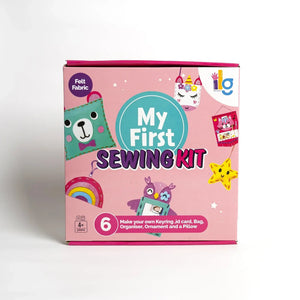
For instance, ask your child to draw how they feel about school pressure or a sibling squabble, not to critique the art, but to initiate a conversation about the emotions depicted. SkilloToys offers fantastic activity kits that encourage open-ended art exploration, perfect for such emotional journeys.
Storytelling & Puppetry: Play for Emotional Regulation
Narrative play is a powerful tool for emotional processing. Children can project their feelings onto characters, allowing them to safely explore scenarios they might be experiencing. Encourage them to create stories about their day, their worries, or their dreams.
Using simple hand puppets or creating characters from recycled materials can help children act out emotions like anger, happiness, or fear. This imaginative play fosters emotional regulation by giving children a sense of control over challenging situations in a safe, fictional context. Funskool's recent launch of a Hello Kitty DIY Craft Range in India further underscores the growing trend of creative play that naturally lends itself to such imaginative storytelling.
Movement & Music: Emotional Intelligence Kids Can Learn
Just as we dance at weddings and sing bhajans for devotion, movement and music are integral to Indian culture and powerful conduits for emotion. Encourage your child to move their body to different types of music – fast, slow, happy, sad – and ask them how each makes them feel. This helps connect physical sensation with emotional states.
Simple activities like dancing freely or even acting out emotions with facial expressions and body language can significantly boost a child’s emotional intelligence. Studies indicate that incorporating creative arts can reduce stress by up to 30% in children aged 3-6, fostering a sense of calm and well-being.
Nature Exploration: Creative Outlets for Children
Connecting with nature offers a grounding experience that can help children process overwhelming emotions. Spending time outdoors, whether in a Bengaluru park or a grandparent's village garden, allows for quiet observation and reflection. Encourage children to collect leaves, stones, or flowers and create a 'feeling mandala' or a nature collage that represents their current mood.
This not only provides a creative outlet but also teaches mindfulness and presence, crucial for emotional well-being. The simple act of tending to a small plant can teach patience and the cycle of growth, mirroring the emotional journey of life.
Problem-Solving with Puzzles & Practical Life: Holistic Emotional Support
Montessori Practical Life activities, like pouring water or buttoning clothes, build concentration and independence, which are foundational for emotional resilience. Successfully completing a task, no matter how small, boosts a child’s self-esteem and sense of accomplishment.
Similarly, engaging with puzzles or building blocks requires focus and perseverance. When a child overcomes the frustration of a difficult puzzle, they are inadvertently practicing emotional regulation and developing problem-solving skills vital for handling life's emotional challenges. This prepares them for bigger hurdles, like academic pressure in school.
Fostering a Culture of Emotional Openness
In Indian joint families, where multiple generations often live together, creating spaces for individual emotional expression is especially important. Grandparents can share traditional stories that touch upon different emotions, while parents can model healthy emotional responses in daily interactions.
Providing a consistent and supportive environment, rich with opportunities for creative exploration, ensures children feel safe to express their true selves. This approach aligns perfectly with the holistic development goals of Montessori education, building confident, emotionally intelligent individuals ready to thrive.
- Creative activities are essential for children's emotional expression and development.
- Montessori principles offer a structured yet flexible framework for fostering emotional intelligence.
- Art, storytelling, movement, and nature exploration are powerful creative outlets.
- Regular engagement in creative play significantly enhances emotional literacy and regulation.
- Indian parents can integrate these activities into daily life to build resilient and empathetic children.
- Providing a prepared environment and a variety of Montessori method learning materials supports holistic emotional growth.