Telugu Letters with Pictures: Creative Montessori Learning
Learning telugu letters with pictures doesn't have to be a chore; in fact, it's an incredible opportunity to spark a child's creativity and imagination. Research shows that engaging multiple senses transforms language acquisition from rote memorization into a joyful exploration, making it significantly more effective for young learners in India.
Creative language learning is an engaging approach where children discover letters and words through sensory play and imaginative activities, moving beyond simple memorization. This method fosters a deeper connection to language and lifelong curiosity. Indian parents can implement this by using Montessori educational toys that transform learning Telugu letters into a joyful, hands-on experience.
Why Creative Montessori Telugu Learning Matters for Young Minds
In an age where screens often dominate childhood, the importance of hands-on, imaginative play cannot be overstated. As the Deccan Chronicle recently highlighted, "Why Play Still Matters in a Screen-Filled Childhood," active engagement with the physical world is crucial for holistic development. For children in Bengaluru and across India, learning their mother tongue, Telugu, through creative methods reinforces cultural identity while building vital cognitive skills.
Beyond Rote: The Power of Play in Language Acquisition
The traditional method of simply copying letters can be tedious and disengaging. Maria Montessori's philosophy, however, champions a child-led, sensory-rich approach that makes learning an adventure. When children play, they are not just having fun; they are experimenting, problem-solving, and building neural pathways essential for complex tasks like language. This active engagement is especially powerful for phonetic languages like Telugu, where understanding letter sounds is paramount.
Studies indicate that children who engage in imaginative play develop stronger language skills, better problem-solving abilities, and enhanced emotional intelligence. Integrating creativity into learning Telugu letters means giving children the freedom to explore, make mistakes, and discover the beauty of their language on their own terms, turning a learning task into a creative Telugu alphabet activity.
Hands-On Learning: Sparking Imagination with Telugu Letters and Pictures
Montessori educational toys are specifically designed to facilitate this kind of creative and imaginative learning. They transform abstract concepts like letters into concrete, tangible experiences. Imagine a 3-year-old Aarya in a joint family in Hyderabad, not just looking at a letter, but feeling its shape, tracing it, and building words with it.
Sandpaper Letters: A Sensory Pathway to Telugu Script
The Montessori Sandpaper Letters are an exceptional tool for introducing Telugu script. These tactile materials allow children to trace the letter with their finger, feeling its form while simultaneously hearing its sound. This multi-sensory approach solidifies the connection between the visual symbol, the phonetic sound, and the motor movement of writing, making the learning process deeper and more memorable than flashcards alone. This direct, hands-on Telugu alphabet teaching method is a cornerstone of language acquisition in Montessori environments.
Telugu Alphabet Puzzles and Activity Kits: Building Blocks of Language
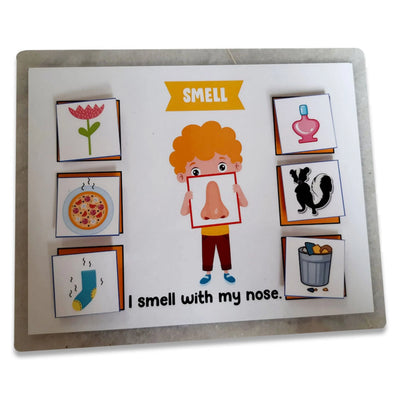
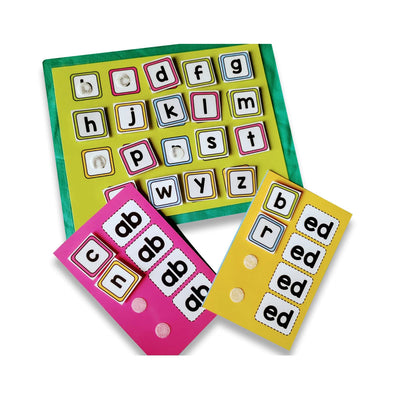
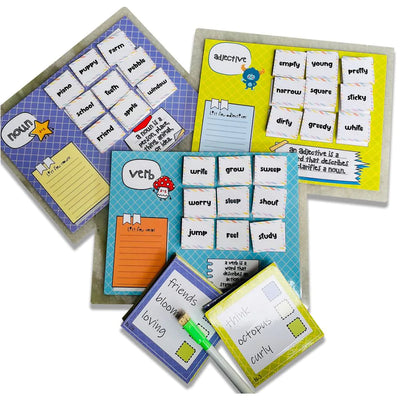
Beyond sandpaper letters, a variety of puzzles and activity kits can make learning Telugu letters an exciting game. Wooden Telugu alphabet puzzles, where each letter fits into a specific slot, enhance fine motor skills and letter recognition. Matching games that pair a Telugu letter with a corresponding picture of an object starting with that letter help children associate sounds with real-world items, building vocabulary and comprehension.
The beauty of these educational toys for Telugu letters lies in their open-ended nature. Children can arrange letters to form their names, common words, or even create their own imaginative stories using the letter shapes as characters. This aligns perfectly with the recent trend of promoting hands-on creativity, as seen with initiatives bringing art supplies to children, fostering a natural inclination to engage and create.
Weaving Telugu into Daily Life: More Than Just Toys
While Montessori toys provide the foundation, integrating Telugu learning into daily life makes it truly meaningful. Parents can encourage children to draw the Telugu letters they've learned, perhaps inspired by the vibrant colours of a festival or the patterns in their grandmother's saree. This turns creative Telugu alphabet activities into personal expressions, as the Times of India notes how creative outlets help children express themselves emotionally.
Cultural Resonance: Grandparents, Stories, and Telugu Festivals
In many Indian homes, grandparents play a pivotal role in language transmission. Encourage them to share stories, songs, and poems in Telugu, pointing out the letters as they speak. During festivals like Sankranti or Ugadi, involve children in writing simple Telugu greetings or drawing Rangoli patterns that incorporate letter shapes. This embeds language learning within a rich cultural context, making it a living, breathing part of their heritage.
Making language learning an imaginative journey ensures children develop a profound connection with their mother tongue, preparing them for future academic success and fostering a lifelong appreciation for their linguistic roots. It's about nurturing curious, confident learners who see language as a tool for creativity, not just communication.