Creative Activities Help Children Open Up Emotionally
Creative activities help children open up emotionally by providing a safe, non-verbal outlet for expressing complex feelings they may not yet articulate verbally. Engaging in imaginative play allows children to process experiences, explore different roles, and communicate their inner world through actions, stories, and art, fostering vital emotional intelligence.
Nurturing emotional openness in children is the process of creating an environment where they feel secure enough to express their true feelings, thoughts, and experiences without fear of judgment. This matters immensely because it builds resilience, fosters healthy relationships, and supports overall well-being. Indian parents can achieve this by integrating purposeful creative play into daily routines, celebrating every expression as a step towards deeper connection.
In today's fast-paced world, where school pressure and screen time often dominate, creating space for children to express their feelings is more crucial than ever. As The Times of India recently highlighted, creative activities are powerful tools for this. SkilloToys.com understands that genuine connection stems from understanding, and we're here to guide you through Montessori-inspired ways to foster that emotional openness.
The Montessori Magic: Fostering Emotional Expression Through Play
Child development experts consistently affirm that a child's emotional landscape is as critical as their cognitive growth. Maria Montessori's philosophy, deeply rooted in respecting the child's inner self, naturally champions emotional development by empowering children with independence and choice within a prepared environment. This approach allows children to naturally engage with their surroundings and express themselves freely.
Research shows that children who engage in free, creative play develop superior emotional regulation skills. In a Montessori setting, activities aren't just about learning numbers or letters; they're also about learning to manage frustration, celebrate success, and cooperate with others. From the precision of working with a Pink Tower to the focus required for Sandpaper Letters, children build self-awareness and confidence, which are cornerstones of emotional openness.
Imaginative Play: A Bridge to Your Child's Inner World
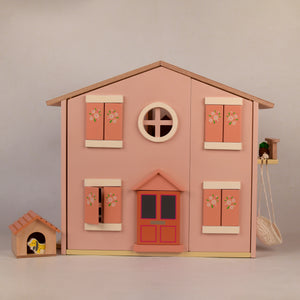
Imaginative play emotional expression serves as a profound language for children, particularly in Indian homes where joint families often mean diverse interactions and experiences. Through pretend play, children can re-enact daily events, explore new ideas, and safely experiment with different emotions. This process allows them to decode and articulate their feelings without direct pressure, making it easier to communicate feelings.
Whether it's role-playing a visit to their grandparents' village, enacting a scene from a favourite festival, or navigating school scenarios with their dolls, these scenarios help children externalize internal struggles or joys. Such imaginative adventures provide insights into their perspective, offering parents a gentle window into their child's inner world. It's in these moments that children often reveal what's truly on their mind, fostering a deeper connection with parents.
Simple Creative Activities Help Children Open Up Emotionally
Integrating simple yet powerful creative activities help children open up emotionally within the daily rhythm of an Indian household. These activities don't require elaborate setups but rather a space for free exploration and expression. Studies indicate that consistent engagement in such activities significantly boosts a child's emotional intelligence.
Emotion Art & Craft
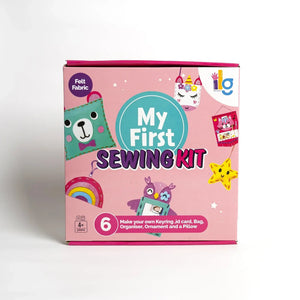
Provide your child with various art supplies like crayons, paints, clay, or even recycled materials from around the house. Encourage them to draw or sculpt how they feel. For instance, if they had a tough day at school, ask them to draw their feelings. It might be a scribble, a storm, or a sad face. This non-verbal outlet is incredibly powerful for processing. Our activityKits offer structured yet open-ended creative experiences perfect for this.
Storytelling Circles
Gather the family for a storytelling session. Use puppets, soft toys, or even just your voices. Start a story and let each family member add a part, focusing on how characters feel and react. This communal activity not only celebrates Indian oral traditions but also models emotional sharing. You can even use simple objects from daily life in Bengaluru as story props.
Building & Problem-Solving Play
Engage in activities like building with blocks, constructing forts, or working on puzzles. When challenges arise, discuss the emotions involved: the frustration of a collapsing tower, the joy of completing a puzzle, or the satisfaction of collaborative building. This helps children connect feelings to actions and outcomes in a tangible way.
Music & Movement
Play different types of music and encourage your child to move in ways that express how the music makes them feel. Fast music might lead to energetic dancing, while slow music could inspire gentle swaying. This physical expression can be a wonderful way for children, especially those aged 3-6, to release pent-up emotions or celebrate joy.
Nurturing Emotional Openness: Beyond the Activity
While specific activities are vital, the ongoing environment you create is paramount for nurturing emotional openness. This means being a consistent, empathetic listener. When your child expresses a feeling, acknowledge and validate it without judgment. Instead of saying, "Don't be sad," try, "I see you're feeling sad, and it's okay to feel that way."
Active listening and reflective responses teach children that their feelings matter. Experts agree that parental responsiveness to a child's emotions is a strong predictor of emotional intelligence and healthy attachment. Incorporate discussions about feelings into everyday conversations, perhaps during family mealtimes or before bed, just like our elders often share wisdom and stories.
Key Takeaways
- Creative activities provide a vital non-verbal channel for children to express and process complex emotions.
- Montessori principles support holistic emotional development by fostering independence and self-awareness through purposeful play.
- Imaginative play, such as role-playing and storytelling, helps children explore and articulate their feelings safely.
- Simple art, building, and music activities are effective tools for helping children communicate feelings.
- Parental active listening, validation, and creating a judgment-free zone are essential for nurturing emotional openness.
- Consistent engagement in creative play significantly boosts a child's emotional intelligence and resilience.
How do creative activities help children express difficult emotions?
Creative activities provide a non-verbal channel for children to process and externalize complex feelings like anger or sadness. Through art, stories, or imaginative play, they can safely explore these emotions in a symbolic way, making them less overwhelming and easier to discuss later.
What is Montessori's approach to emotional development in children?
Montessori emotional development focuses on fostering independence, self-regulation, and empathy through a prepared environment and child-led activities. Children learn to manage their emotions by making choices, solving problems, and respecting others, building a strong foundation for emotional intelligence.
Are there specific creative activities for shy Indian children to open up?
Yes, for shy Indian children, activities like puppet play, storytelling with family members (including grandparents), or creating a 'feeling' box can be very effective. These allow for indirect expression and encourage communication in a low-pressure, familiar setting, respecting cultural nuances of modesty.
How can parents ensure their child feels safe sharing emotions during play?
Parents must create a judgment-free zone, actively listen without interrupting, and validate their child's feelings. Consistent reassurance that all emotions are acceptable, combined with your own modeling of emotional openness, builds the trust needed for genuine sharing during play.
When should parents introduce creative activities to encourage emotional expression?
Parents can introduce simple creative activities for emotional expression as early as 18-24 months with sensory play or drawing. As children grow, these activities can become more complex, evolving into role-playing and storytelling, continually adapting to their developmental stage and interests.