Creative Expression for Children: A Montessori Guide
Nurturing creative expression for children is essential for holistic development, enabling them to translate inner thoughts and emotions into tangible forms. This guide empowers Indian parents to foster imagination and originality at home, ensuring their little ones grow into innovative thinkers. Drawing inspiration from current initiatives by KidZania India and Magic Bus India Foundation, we understand the profound impact of creativity on a child's emotional and cognitive well-being.
Creative expression for children is the process by which young minds interpret, communicate, and transform their inner world into outward, observable forms. This matters immensely because it builds problem-solving skills, emotional literacy, and adaptability. Indian parents can actively support this by providing a stimulating environment and age-appropriate tools.
The Montessori Approach to Fostering Creative Expression in Kids
Child development experts, including Dr. Maria Montessori, consistently emphasized that creativity isn't taught but rather cultivated by providing the right environment and tools. The Montessori method champions self-directed activity, hands-on learning, and collaborative play, all crucial elements for building imaginative capacity. This approach acknowledges that every child possesses an inner drive to explore and create.
Research shows children in Montessori environments often demonstrate higher levels of executive function and creative problem-solving. This is attributed to the freedom they are given to choose their activities and the emphasis on concentration. For Indian parents navigating busy schedules, adopting Montessori principles can offer a refreshing perspective on playtime.
Cultivating Freedom Within Limits
Montessori education thrives on the concept of 'freedom within limits,' a powerful framework for foster creative expression kids. Children are given choices within a carefully prepared environment, allowing them to explore materials at their own pace and in their own way. This autonomy empowers them to take ownership of their creative process, fostering confidence and originality.
For instance, providing a variety of art materials like crayons, paints, and clay, without dictating what to create, allows children to follow their inner muse. This contrasts with heavily structured activities that often stifle a child's unique vision. Allowing a child to experiment freely, even if it means a little mess, is a small price for unlocking immense creative potential.
Embracing Process Over Product
In Montessori, the journey of creation holds more significance than the final outcome. This perspective is vital for Montessori creative expression, encouraging children to experiment, make mistakes, and learn from them without fear of judgment. It teaches resilience and fosters a deep love for the act of creating itself.
Indian parents often face societal pressure for perfection in their children's achievements, but shifting focus to the process can be liberating. Celebrate the effort your child puts into drawing a rangoli pattern or building a tower, rather than solely praising the finished product. This validates their exploration and strengthens their creative spirit.
Bringing Imagination to Life: Practical Steps for Indian Homes
Creating a home environment that actively encourages imagination and self-expression doesn't require an elaborate setup; it simply needs thoughtful intention. As KidZania India and Magic Bus Foundation highlight, providing opportunities for children to express themselves is paramount. Here’s how to do it in a distinctly Indian context.
Create an Inspiring 'Discovery Zone'
Designate a corner in your living room or a dedicated space where your child can freely engage in creative pursuits. This 'discovery zone' should be accessible, organized, and filled with age-appropriate, open-ended materials. Think of a low shelf with art supplies, building blocks, and simple crafting items, always within reach for little hands.
Even in joint families, a small, personalized space can make a world of difference. Grandparents, with their wealth of stories and traditional crafts, can be wonderful collaborators in this zone, sharing folk tales or teaching simple stitching. This blending of generations naturally enriches the child's creative world, bringing imagination to life children.
Offer Open-Ended Toys for Creative Expression
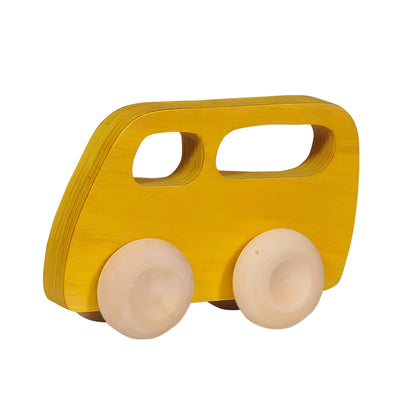
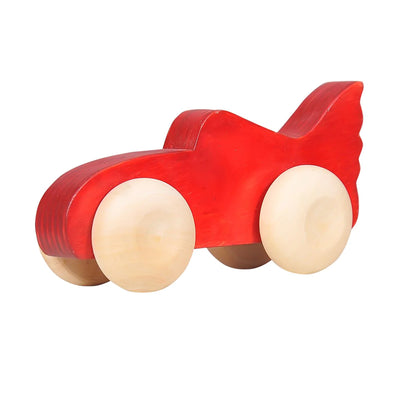
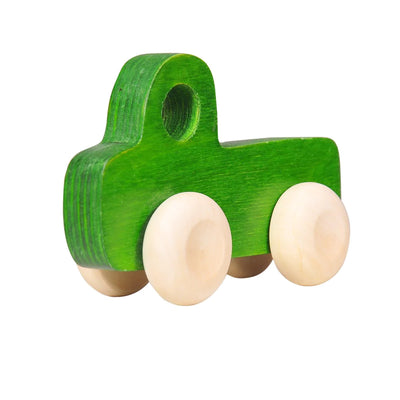
The right tools can significantly enhance a child's ability to express themselves. SkilloToys.com specializes in educational toys that promote creativity and problem-solving. Instead of toys that do all the work, choose those that invite participation and imagination. Studies indicate that toys promoting open-ended play lead to greater cognitive flexibility and sustained engagement.
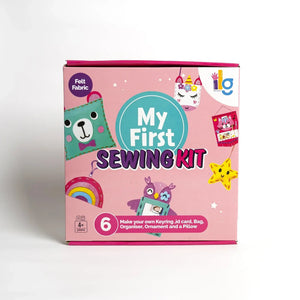
Consider our collection of activityKits, which provide structured yet flexible creative challenges, or our range of puzzles that encourage spatial reasoning and imaginative construction. High-quality Montessori learning materials are designed precisely to stimulate a child's inner drive for exploration and discovery, acting as powerful catalysts for toys for creative expression.
Encourage Artistic Expression Through Everyday Activities
Creativity isn't limited to art supplies; it can be woven into the fabric of daily life. Encourage your child to help with simple tasks like decorating for festivals like Diwali or Holi, arranging flowers for puja, or even helping with cooking and experimenting with ingredients. These activities foster a sense of purpose and provide avenues for unique contributions.
Storytelling is another powerful medium to encourage artistic expression child. Narrate tales from Indian mythology or simply ask your child to finish a story you start. Role-playing games, where children can pretend to be a doctor, a shopkeeper, or even a tiger, build empathy and expand their imaginative horizons. These interactions build rich internal worlds.
Overcoming Challenges: School Pressure and Digital Distractions
Indian parents often grapple with balancing academic rigor and the pervasive lure of digital screens against the need for creative play. It's a common concern: how do we ensure our children are well-rounded when school demands are high? Child development experts agree that unstructured play time is just as crucial as academic study for brain development.
Set clear boundaries for screen time, encouraging its use for educational content rather than passive consumption. Dedicate specific periods each day for free play, where children can choose their activities without adult intervention. Remember, creativity flourishes in moments of quiet reflection and unguided exploration, providing a necessary counterpoint to structured learning.
Conclusion
Nurturing creative expression is a gift we give our children, equipping them with the tools to navigate a complex world with innovation and resilience. By embracing Montessori principles, providing inspiring environments, and offering open-ended toys, Indian parents can empower their children to bring their vibrant imaginations to life. Let's celebrate every doodle, every improvised song, and every whimsical story, fostering a generation of imaginative thinkers ready to shape their future.
- Creative expression in children is fundamental for developing emotional intelligence, problem-solving abilities, and adaptability.
- The Montessori method cultivates creativity through self-directed activity and hands-on exploration within a prepared environment.
- Providing 'freedom within limits' allows children to take ownership of their creative process, building confidence and originality.
- Emphasizing the process of creation over the final product fosters resilience and a love for continuous learning.
- Open-ended educational toys and materials are crucial for stimulating a child's imagination and encouraging diverse forms of expression.
- Integrating creative activities into daily Indian home life, from festivals to storytelling, naturally enhances a child's imaginative world.
What is creative expression in children?
Creative expression in children is their innate ability to interpret, communicate, and transform their inner world of thoughts and emotions into outward, observable forms like art, music, or storytelling. It is a fundamental aspect of their development, reflecting their unique understanding of the world.
How can Montessori principles help foster creative expression in my child?
Montessori principles nurture creative expression by providing a 'prepared environment' with freedom within limits, allowing children to explore materials independently and follow their innate curiosity. This approach values the child's self-directed discovery and the process of creation over a predetermined outcome.
What are some practical ways to encourage artistic expression in an Indian home?
Indian parents can encourage artistic expression by dedicating a 'discovery zone' with art supplies, engaging in storytelling sessions with grandparents, participating in festival preparations, and offering open-ended toys. Emphasize the joy of creation rather than perfection.
Are screen time and academic pressure hindering my child's creativity?
Excessive screen time and intense academic pressure can indeed limit opportunities for free play and imaginative exploration, which are crucial for creative development. Balancing structured learning with ample unstructured time for self-directed creative activities is vital for holistic growth.
What types of toys are best for fostering a child's imagination and creativity?
Open-ended toys that allow for multiple uses and encourage imaginative play are best for fostering creativity. Examples include building blocks, art supplies, puzzles, and practical life materials that let children explore, construct, and role-play without prescribed rules.