Creative Thinking Skills for Kids: A Parent's Guide
The long-awaited summer holidays are finally here, a welcome respite after the exam season's academic rigour. For many Indian parents, this transition sparks a new question: how can we best utilise this time to foster our children's holistic development beyond textbooks? The answer lies in nurturing creative thinking skills for kids – a crucial aspect of growth often overshadowed by rote learning but now championed by initiatives like the National Education Policy (NEP 2020).
Creative thinking isn't just about art or music; it's the ability to look at problems from new angles, connect disparate ideas, and generate original solutions. It's about imagination, innovation, and adaptability – qualities that empower children to navigate a complex world. This comprehensive guide will equip you with practical strategies to cultivate these vital skills in your child, right in the comfort of your Indian home.
Why Nurturing Creativity in Children Matters More Than Ever
In today's fast-evolving landscape, where information is abundant and change is constant, merely knowing facts isn't enough. Children need to be innovators, problem-solvers, and critical thinkers. Nurturing creativity in children is paramount because it directly impacts their ability to adapt, invent, and thrive.
NEP 2020 explicitly advocates for experiential learning and developing 21st-century skills, placing creative thinking at its core. As Gen Z parents, you understand the importance of preparing your children not just for exams, but for life. Fostering creativity helps build resilience, boosts self-expression, and develops a child's unique voice, allowing them to approach challenges with curiosity and confidence.
Creating a Nurturing Environment for Imagination Development Strategies
A child's surroundings play a significant role in sparking their imagination. Just as Maria Montessori advocated for a 'prepared environment,' you can design your home, even a compact urban apartment, to be a canvas for creativity. Start by decluttering and organising, making materials accessible.
Offer a variety of open-ended materials: paper, crayons, clay, blocks, discarded household items like empty boxes or fabric scraps. These don't dictate how they should be used, inviting children to invent their own games and stories. Remember, the goal is not perfection, but exploration. Allowing children the freedom to make a mess (within reason!) and experiment is crucial for imagination development strategies.
Encouraging Exploration & Problem Solving for Kids
Children are natural explorers. Encourage this innate curiosity by giving them opportunities to investigate their world. This could be as simple as observing insects in a neighbourhood park, helping prepare a festive dish in the kitchen, or building a fort from bedsheets in the living room.
When they encounter a challenge, resist the urge to immediately provide the answer. Instead, ask open-ended questions like, "What do you think might happen if...?" or "How else could we solve this?" This approach helps develop innovation in kids by encouraging them to brainstorm solutions independently. Engaging with puzzles, for instance, offers a fantastic way for children to logically work through problems and experience the satisfaction of finding solutions.
The Power of Play: Montessori Principles for Creative Growth
At SkilloToys, we believe deeply in the power of purposeful play. Montessori education emphasizes self-directed activity, hands-on learning, and collaborative play, all of which are fertile ground for creative thinking. Provide children with toys that inspire rather than dictate.
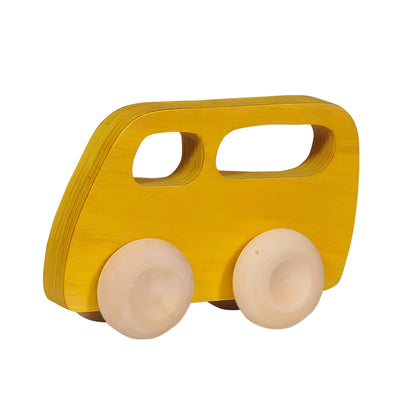
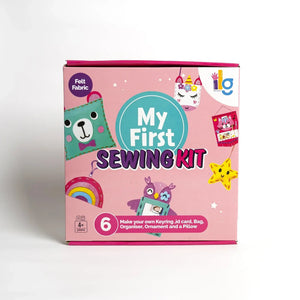
Educational toys like building blocks, art supplies, and activity kits are excellent tools for nurturing creativity in children. They allow for experimentation, encourage critical thinking, and often lead to unexpected discoveries. For instance, an activity kit might spark an interest in science or design, leading to further imaginative exploration. Observe your child's interests and offer materials that align, fostering a deeper engagement.
Embracing Imperfection and Learning from Mistakes
One of the biggest hurdles to creative thinking is the fear of making mistakes, a sentiment often reinforced by the pressure of academic scores. As parents, we can reframe mistakes as valuable learning opportunities. When a child's art project doesn't turn out as planned, instead of fixing it for them, ask, "What did you learn?" or "What could you try differently next time?"
Celebrate the effort and the process, not just the outcome. This approach builds resilience and encourages children to take risks, which is fundamental to developing innovation in kids. Let them know that it's okay for things not to be perfect, whether it's a drawing or a failed attempt at building a complex structure with blocks.
Parenting for Creativity India: Navigating Unique Challenges
Indian parenting often involves balancing academic excellence with traditional values and sometimes, the advice of well-meaning relatives. The pressure to conform or prioritise conventional career paths can inadvertently stifle creativity. However, the modern Indian parent is increasingly aware of the need for a balanced approach.
It's about finding harmony. While academic foundations are important, dedicate time each day for unstructured play, imaginative storytelling during evening family time, or creating decorations for an upcoming festival. Even in bustling joint families or smaller urban homes, designate a 'creativity corner' where children have the freedom to explore without constant adult supervision, fostering independence and self-expression. Remember, parenting for creativity India means valuing both tradition and innovation.
What is creative thinking in simple words?
Creative thinking is the ability to generate new ideas, connect existing concepts in novel ways, and find unique solutions to problems. It involves imagination, originality, and the capacity to think outside conventional boundaries.
How do you develop innovation in kids?
To develop innovation in kids, encourage open-ended play, provide diverse materials, ask probing questions that stimulate critical thinking, and allow them to experiment without fear of failure. Support their independent problem-solving efforts and celebrate their unique ideas.
What are some imagination development strategies for young children?
Imagination development strategies for young children include engaging in pretend play, reading stories aloud and encouraging them to create alternative endings, providing dress-up clothes, and offering simple art supplies for free expression. Limit screen time to encourage self-initiated play.
How can parents support creative thinking skills for kids at home?
Parents can support creative thinking skills for kids by creating a stimulating environment with accessible materials, encouraging curiosity and exploration, valuing the process over the product in creative endeavours, and modeling creative thinking themselves through daily activities.
What are the benefits of creative thinking for a child's overall development?
The benefits of creative thinking are vast, including enhanced problem-solving abilities, improved critical thinking, greater self-expression, increased adaptability, and boosted confidence. It helps children develop a unique perspective and prepares them for future challenges across all aspects of life.
Key Takeaways for Nurturing Creative Thinking Skills
- Define Creativity Broadly: Understand that creative thinking extends beyond arts to problem-solving and innovative solutions.
- Curate a 'Prepared Environment': Provide open-ended materials and designated spaces for exploration, even in small homes.
- Encourage Independent Problem-Solving: Ask guiding questions instead of giving immediate answers to foster innovation.
- Prioritise Play: Embrace purposeful play with educational toys that allow for self-directed discovery.
- Embrace Mistakes: View errors as learning opportunities to build resilience and encourage risk-taking.
- Balance Academics & Creativity: Integrate creative activities into daily life, acknowledging unique Indian parenting contexts.
As the summer holidays unfold, seize this precious time to cultivate the creative thinking skills for kids that will serve them for a lifetime. By providing opportunities for exploration, embracing their unique ideas, and fostering a playful spirit, you're not just raising a child; you're nurturing a future innovator, a compassionate thinker, and a joyful individual ready to make their mark on the world. SkilloToys is here to support you on this inspiring journey, offering a range of toys that spark curiosity and celebrate every child's innate genius.