DIY Dollhouse Accessories: Sparking Kids' Creativity
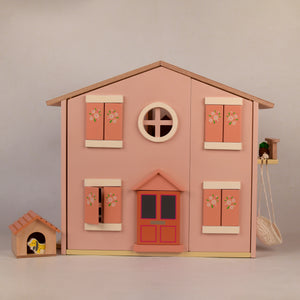
Creating DIY dollhouse accessories definitively transforms a standard doll house for kids into a vibrant hub of imagination, fostering essential creative skills and fine motor development in young minds. This hands-on approach allows children to personalise their play world, encouraging self-expression and problem-solving through tangible crafting.
DIY Montessori dollhouse accessories are miniature, handmade items crafted from everyday materials that enrich a child's dollhouse play experience. This matters because it cultivates creativity, fine motor skills, and an understanding of object permanence and spatial relationships. Indian parents can empower their children by providing simple materials and guidance for these engaging crafts.
Why DIY Dollhouse Accessories Are Essential for Creative Development
Child development experts agree that open-ended play is paramount for nurturing a child's creativity and cognitive growth. Research consistently shows that engaging in hands-on activities, such as crafting dollhouse accessories, significantly enhances problem-solving abilities and fine motor coordination. This process moves beyond passive consumption, actively involving children in creation.
For children in India, where resourcefulness is often a cherished value, DIY projects offer a fantastic way to engage with their surroundings. Instead of solely relying on store-bought items, crafting accessories for their doll house for kids allows them to use materials found around the home. This echoes the Montessori principle of using real, tangible items to understand the world, promoting a deeper connection to their play.
Furthermore, allowing children to customise their dollhouse stimulates self-expression and decision-making. As recent discussions highlight the importance of creative activities to help children open up emotionally, DIY projects provide a safe, playful outlet. They decide what their dollhouse needs, how it looks, and what stories it will tell, fostering a sense of agency and imagination.
Simple Montessori Craft Ideas for Your Dollhouse
Sparking creativity doesn't require elaborate supplies; often, the most imaginative play comes from the simplest materials. Many household items can be transformed into charming dollhouse accessories, aligning perfectly with Montessori's emphasis on practical life and sensorial experiences. Just as our activityKits encourage hands-on learning, these DIY projects offer structured yet open-ended creative exploration.
Consider creating miniature furniture from matchboxes or small cardboard pieces. A matchbox can become a bed, a tiny chest of drawers, or a side table. Children can paint these with non-toxic colours or cover them with fabric scraps from old dupattas or kurtas, giving them a distinctly Indian aesthetic. This is an excellent opportunity to use new children's art ranges like Pidilite's Fevicryl YUDU, encouraging vibrant and safe artistic expression.
For miniature food items, dried pulses, small beads, or clay can be transformed into tiny rotis, dosas, or fruits, enhancing realistic role-play. Fabric scraps or even old socks can be cut and stitched (with adult supervision for younger kids) into tiny rugs, blankets, or pillows, adding warmth and detail to the dollhouse interiors. These crafting sessions develop dexterity and an understanding of different textures and materials.
Fostering Imagination Through Creative Dollhouse Play
Once your child has crafted their unique dollhouse accessories, the real magic of imaginative play begins. A customised dollhouse becomes a stage for endless storytelling and role-playing, where every handmade item has a special significance. This is where children's cognitive abilities, including narrative skills and emotional intelligence, truly flourish.
Maria Montessori believed that imaginative play is crucial for developing a child's understanding of the world and their place in it. When children arrange their handmade furniture or serve their tiny, crafted meals, they are enacting scenarios from their own lives, exploring social roles, and processing emotions. They might re-enact a family Diwali celebration, a day at school, or a visit from grandparents, enriching their understanding of Indian culture and family dynamics.
This kind of creative dollhouse play is particularly beneficial for children aged 3-6 years, as they are actively developing their symbolic thinking. Playing with a doll house for kids equipped with DIY elements empowers them to be the architects and storytellers of their own miniature world. It allows them to experiment with different outcomes and express complex ideas in a safe, controlled environment, much like solving a challenging puzzle develops their logical thinking.
Making it a Family Affair: Crafting with Grandparents & Children
In the heart of many Indian homes, crafting often becomes a beautiful intergenerational activity. Involving grandparents in creating DIY dollhouse accessories not only bridges generational gaps but also enriches the experience with shared stories and traditional skills. Grandparents often possess a wealth of knowledge in traditional crafts, from simple stitching to intricate paper folding, which they can lovingly pass down.
This collaborative crafting environment aligns with the Montessori concept of a 'prepared environment,' where children learn through observation and participation. Imagine a child learning to stitch a tiny dollhouse curtain alongside their Dadi or Nani, using old saree borders or fabric pieces. These moments create lasting memories and foster a deep sense of connection and belonging within the joint family structure.
Such family crafting sessions reduce screen time and encourage meaningful interaction. It's a chance to bond, share laughter, and watch creativity bloom together. The process of making something by hand, together, imbues the finished dollhouse accessories with personal history and love, making the play even more special and cherished for years to come.
- Creating DIY dollhouse accessories significantly enhances children's fine motor skills and problem-solving abilities.
- Montessori principles are perfectly supported by DIY crafting, fostering practical life skills and sensorial exploration.
- Simple household materials like matchboxes and fabric scraps can be effectively repurposed into engaging dollhouse items.
- Imaginative play with handmade accessories strengthens narrative skills and emotional intelligence in young children.
- Involving grandparents in DIY projects promotes intergenerational bonding and preserves traditional crafting knowledge.
- A customised dollhouse encourages self-expression and provides a unique platform for culturally relevant role-playing scenarios.
What age is best for DIY dollhouse accessories?
Children from 3 years old can actively participate in making DIY dollhouse accessories, with adult guidance for safety and complex steps. Younger toddlers benefit from watching and simple tasks like choosing materials, while older children can design and create independently.
What materials are safe for DIY dollhouse crafts?
Safe materials for DIY dollhouse crafts include paper, fabric scraps, felt, yarn, small cardboard boxes, and non-toxic glues and paints. Always supervise children, especially with small parts, and ensure all materials are age-appropriate and free from choking hazards.
How do DIY dollhouse accessories help child development?
DIY dollhouse accessories significantly aid child development by enhancing fine motor skills, encouraging problem-solving, and fostering creativity and imagination. This hands-on activity also boosts self-esteem as children see their creations come to life, impacting their overall cognitive growth.
Can DIY dollhouse accessories be used in Montessori play?
Yes, DIY dollhouse accessories perfectly align with Montessori principles by offering practical life experiences, encouraging sensorial exploration, and promoting independent, imaginative play. They allow children to engage with realistic miniature environments, mirroring real-world scenarios in a child-led manner.
How can I involve my child in making dollhouse items?
Involve your child by letting them choose materials, brainstorm ideas, and participate in simple steps like cutting (with safety scissors), gluing, or decorating. Frame it as a collaborative project, allowing their ideas to lead, which significantly boosts their engagement and sense of ownership.