Doll House for Kids: Montessori Open Play & Imagination
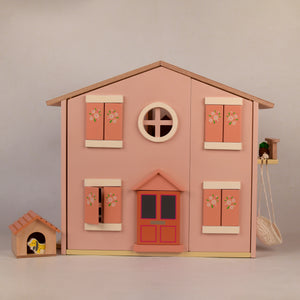
An open-ended doll house for kids is a definitive cornerstone for fostering limitless creativity and imagination, providing children with a dynamic, self-directed environment for exploration. Child development experts agree that such play allows children to construct their own narratives, fostering critical thinking and emotional intelligence far beyond simple entertainment. This approach, deeply aligned with Montessori principles, empowers children to develop intrinsic motivation and problem-solving skills.
Open-ended dollhouse play is unstructured interaction with a dollhouse, free from fixed rules or pre-determined outcomes, allowing children complete creative freedom. This is vital because it encourages children to invent scenarios, assign roles, and solve problems independently, building cognitive and social-emotional skills. Indian parents can facilitate this by providing a simple dollhouse and diverse, non-prescriptive accessories.
Open-Ended Play Dollhouse: A Canvas for Limitless Imagination
Research shows that children thrive when given the autonomy to create their own worlds, and an open-ended play dollhouse provides precisely that opportunity. Unlike toys with a singular purpose, a dollhouse becomes a versatile stage where children can enact everyday family life, celebrate festivals like Diwali, or even explore fantastical adventures. This unstructured environment is crucial for cognitive flexibility, as children constantly adapt their play to new ideas and narratives.
When a child engages with an open-ended dollhouse, they are not just playing; they are actively designing, problem-solving, and storytelling. They might decide the dolls are visiting their grandparents in the village, or preparing for a big family wedding, echoing the rich cultural tapestry of Indian life. This process strengthens neural pathways, enhancing their ability to think creatively and logically. Child development experts agree that such imaginative engagement is a powerful predictor of later academic success and emotional resilience.
Montessori Dollhouse Creativity: Fostering Independence and Self-Direction
Maria Montessori's philosophy champions self-directed activity, and a Montessori dollhouse creativity approach perfectly embodies this principle. Instead of dictating storylines, parents become observers, allowing children to lead their play, making choices about who lives where, what furniture they use, and what daily routines unfold. This autonomy is fundamental to developing concentration, initiative, and a deep sense of satisfaction in their own accomplishments.
Studies indicate that environments promoting self-correction and exploration, like a well-equipped Montessori-style dollhouse, enhance a child's intrinsic motivation. Children learn through doing, adjusting their narratives, and collaborating (or playfully disagreeing!) with siblings or friends. This hands-on, experiential learning is far more impactful than passive reception, preparing them for the challenges of school and life in a joint family setting. Consider supplementing their dollhouse adventures with enriching activityKits that further spark their independent learning.
Benefits of Dollhouse for Imagination: Nurturing Whole Child Development
The benefits of dollhouse for imagination extend far beyond mere entertainment; they contribute to holistic child development. Through role-playing, children process emotions, understand social roles, and develop empathy by stepping into different characters' shoes, whether it’s a working parent or a doting grandmother. This emotional literacy is vital, especially in a world where children need strong foundations to express themselves openly, as highlighted by recent discussions in The Times of India about creative activities for emotional expression.
Furthermore, manipulating small dollhouse figures and accessories refines fine motor skills, which are essential for writing and daily tasks. As children narrate their stories, they expand their vocabulary and improve language skills, articulating complex ideas and emotions. This multifaceted engagement ensures that a dollhouse becomes a comprehensive learning tool, much like how Montessori materials such as the pink tower or sandpaper letters develop specific skills in a structured way.
Cultivating Imaginative Dollhouse Play in Indian Homes
To truly foster imaginative dollhouse play, Indian parents can create a rich, supportive environment. Start with a simple, open-ended dollhouse, preferably made of natural materials. Provide a variety of culturally relevant miniature items – tiny pressure cookers, festive wear for dolls, or even little puja essentials – to make the play resonate with their daily lives. This anchors their fantastical narratives in familiar contexts, making the imaginative leap even more profound.
Encourage children to use household items as props – a dupatta can become a magic carpet, or a matchbox a tiny bed. Limiting screen time and offering a designated play area can signal that creative play is valued, echoing Forbes India's point that creativity must move from the mainstream of learning. Remember, the goal is not perfection, but participation and self-expression. Offer engaging puzzles that complement dollhouse play, encouraging problem-solving skills in another dimension.
Choosing the Ideal Open-Ended Dollhouse for Your Child
When selecting a doll house for kids, prioritize open-ended design over highly specific themes or elaborate details. Look for sturdy, durable construction, ideally from sustainable materials, ensuring it withstands years of imaginative adventures. A versatile structure allows for different room configurations and story possibilities, growing with your child's evolving interests from toddlerhood (18-24 months) to early school years.
Focus on a dollhouse that offers ample space for various play scenarios and is easily accessible for small hands. Avoid overwhelming children with too many accessories at once; instead, introduce new items gradually to keep their interest piqued and their imagination challenged. SkilloToys.com offers a range of Montessori-aligned learning materials, including dollhouses and accessories designed to inspire endless creative exploration for every Indian child.
- An open-ended doll house for kids is a definitive tool for developing limitless creativity and imagination in children.
- Montessori principles in dollhouse play foster independence, self-direction, and intrinsic motivation through child-led exploration.
- Research indicates that unstructured play, like with an open-ended dollhouse, enhances cognitive flexibility and problem-solving skills.
- Dollhouse play significantly benefits social-emotional development, improving empathy, emotional literacy, and language skills.
- Providing culturally relevant miniature accessories in an Indian home context enriches and anchors imaginative dollhouse narratives.
- Child development experts agree that fine motor skills are refined through manipulating dollhouse figures and props.
How does an open-ended dollhouse differ from a regular one?
An open-ended dollhouse has minimal specific detailing, allowing children to define its purpose, residents, and stories entirely on their own. Regular dollhouses often come with pre-set themes, characters, and fixed room layouts, which can limit imaginative scope.
What age is best for introducing a dollhouse for kids?
Children as young as 18-24 months can begin to engage with a simple dollhouse, focusing on basic manipulation and exploration. The complexity of play evolves as they grow, with rich imaginative narratives typically emerging around 3-5 years.
How can parents encourage Montessori principles in dollhouse play?
Parents can encourage Montessori principles by observing rather than directing, providing a clutter-free environment, and offering a variety of realistic, child-safe accessories. Allow children to choose their activities and learn through self-correction without interference.
Does dollhouse play help with emotional development?
Yes, dollhouse play significantly aids emotional development by allowing children to act out scenarios, process feelings, and explore different social roles safely. This role-playing fosters empathy, emotional expression, and understanding of family dynamics.
What kind of accessories are best for open-ended dollhouse play?
The best accessories are simple, realistic, and open to interpretation, such as miniature furniture, small doll figures, and culturally relevant items like tiny kitchen utensils or fabric pieces. Avoid overly specific or battery-operated toys that limit imaginative input.