Educational Toys for Kids: Sparking Creativity & Imagination
Choosing the right educational toys for kids to ignite creativity and imagination involves prioritizing open-ended play, natural materials, and multi-functional designs that encourage exploration rather than dictating outcomes. Research shows that children who engage with such toys develop stronger problem-solving skills and imaginative capacity, essential for thriving in today's dynamic world.
As Indian parents navigate the dual pressures of academic excellence and holistic development, selecting toys that truly foster creativity and imagination becomes paramount. This guide will empower you to identify and choose playthings that build a foundation for lifelong learning and innovative thinking, from Bengaluru homes to joint family settings across the country.
What are Creative Educational Toys?
Creative educational toys are open-ended materials that invite children to explore, experiment, and invent without a pre-set outcome. This matters because they foster critical thinking, problem-solving, and self-expression. Indian parents can empower their children by providing toys that encourage innovation and original thought.
Why Creativity and Imagination Matter for Indian Children
In a world increasingly driven by innovation, creativity and imagination are not just 'nice-to-have' skills; they are critical for future success. Studies by UNESCO indicate that early childhood experiences rich in imaginative play are crucial for cognitive and social development, helping children adapt, innovate, and express themselves effectively.
For Indian children, who often face significant academic pressure from a young age, fostering these qualities provides a vital balance. It equips them with the ability to think outside the box, find unique solutions, and articulate their ideas – skills highly valued in both higher education and the modern workforce. Parents and grandparents play a crucial role in nurturing this spark.
Understanding Creative Educational Toys for Kids
Not all toys labeled 'educational' truly spark creativity. A genuine creative educational toy allows for multiple uses and encourages the child to lead the play. These are the toys that remain engaging long after the initial novelty wears off, adapting to your child's evolving interests and developmental stages.
Child development experts, including Maria Montessori, emphasize the importance of self-directed play with materials that promote discovery. Such toys provide opportunities for children to learn at their own pace, building confidence and fostering an intrinsic love for learning. This approach moves beyond rote memorization to true understanding.
The Power of Open-Ended Play and Imagination Toys for Kids
Open-ended toys are the backbone of creative play. Unlike toys with a single function or a defined outcome, these 'imagination toys for kids' can be anything a child imagines them to be. A simple set of wooden blocks, for instance, can become a fort, a car, a house, or a towering city scape, depending on the child's whim.
This type of play allows children to develop narrative skills, practice social roles, and engage in symbolic thinking. Whether they are building intricate structures with their siblings or creating fantastical worlds with dolls, open-ended toys nurture a child's inner storyteller and engineer simultaneously. Think of the endless possibilities with our diverse range of puzzles and construction sets.
Choosing the Best Educational Toys for Creativity: A Parent's Checklist
When selecting the 'best educational toys for creativity', consider these key factors to ensure your child receives materials that truly inspire:
- Versatility: Does the toy have multiple uses? Can it be integrated with other toys? Toys that encourage varied scenarios and applications are more likely to hold a child's interest and spark diverse creative expressions.
- Child-Led Interaction: Does the toy encourage the child to be the director of play, rather than passively receiving entertainment? Look for toys that require interaction, manipulation, and decision-making from the child.
- Simplicity: Often, the simplest toys are the most powerful. Fewer bells and whistles mean more room for a child's imagination to fill in the gaps. Materials that encourage focus and depth of engagement are preferable.
Embracing Natural Materials and Sensory Engagement
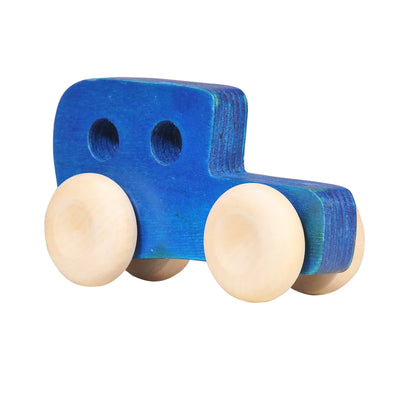
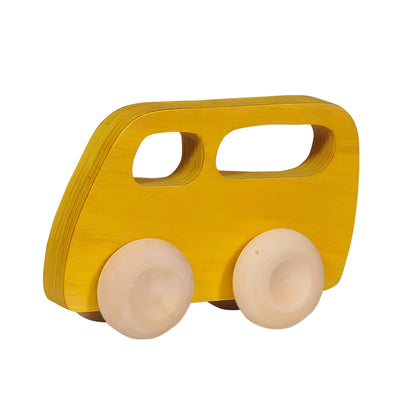
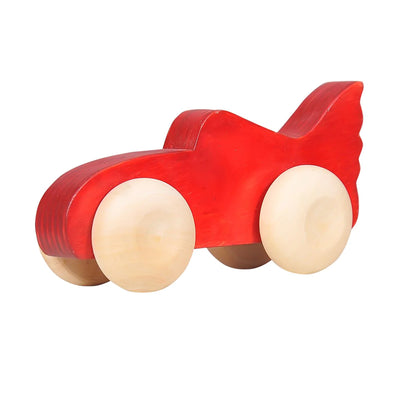
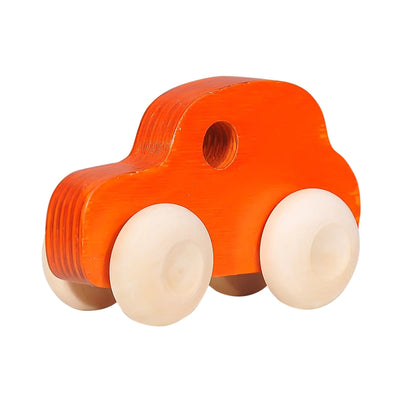
Toys made from natural materials like wood, cotton, and metal offer a rich sensory experience that plastic often lacks. The varying textures, weights, and temperatures of these materials provide valuable input for a child's developing brain, enhancing their connection to the physical world.
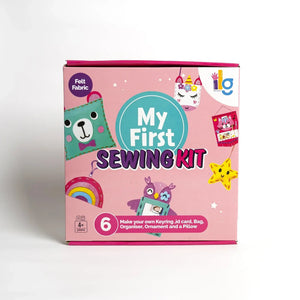
Furthermore, these materials are durable, sustainable, and often aesthetically pleasing, promoting an appreciation for quality and natural beauty. This aligns with Montessori principles, which advocate for beautiful, tactile learning materials. Our activity kits, for example, often feature natural components that engage multiple senses.
Considering Age-Appropriateness and Developmental Stages
While creativity is ageless, the types of toys that best support it evolve with a child's developmental stage. For an 18-24 month old, simple stacking rings or shape sorters build foundational understanding of spatial relationships. For preschoolers, role-play sets or more complex building blocks become ideal.
Ensure the toy is challenging enough to engage but not so complex as to frustrate. The goal is to provide a 'just right' challenge that encourages perseverance and problem-solving, fostering a positive attitude towards learning and creative exploration.
Fostering Creativity Beyond the Toy Box
Choosing the right toys is just one piece of the puzzle. Parents play a crucial role in creating an environment where creativity flourishes. This means valuing the process of creation over the final product, providing ample unstructured time for play, and encouraging children to explore their interests without judgment.
Celebrate your child's unique ideas, even if they seem unconventional. Engage in creative activities together, whether it's cooking a new dish during a festival, telling stories, or building a blanket fort. Your presence and encouragement are the most powerful tools for sparking imagination, far beyond any toy.
- Choosing educational toys for kids requires prioritizing open-ended play for true creativity.
- Creative educational toys are versatile, child-led, and often simpler in design, allowing for imaginative exploration.
- Natural materials offer richer sensory experiences, promoting deeper engagement and connection to the physical world.
- Age-appropriate toys provide the 'just right' challenge, preventing frustration and encouraging perseverance.
- Parents play a critical role by fostering an environment that values creative process over product and allows for unstructured play.
- Montessori principles strongly advocate for toys that promote self-directed discovery and independent learning.
What makes a toy truly educational and creative?
A toy is truly educational and creative when it encourages open-ended exploration, problem-solving, and imaginative role-play without a pre-set outcome. It should inspire children to think independently and use their innate curiosity to discover new possibilities.
How can I encourage imaginative play at home?
Encourage imaginative play by providing a variety of open-ended materials like blocks, dress-up clothes, and art supplies, alongside dedicated time for unstructured play. Participate when invited, but mostly observe, allowing your child to lead their own fantastical adventures.
Are digital toys considered creative educational toys?
While some digital toys offer educational content, their closed-ended nature often limits true creative and imaginative play compared to physical, open-ended toys. Research suggests that excessive screen time can hinder the development of intrinsic imagination, which flourishes with hands-on, tactile experiences.
What are some examples of imagination toys for toddlers?
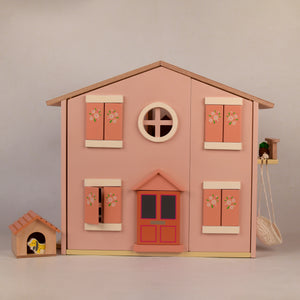
For toddlers, excellent imagination toys include building blocks, simple dollhouses with figures, play kitchens, pretend food, and musical instruments. These items allow for role-playing, constructing, and exploring cause-and-effect, foundational for imaginative thought.
How do Montessori toys foster creativity?
Montessori toys foster creativity by being purpose-driven, open-ended, and designed to isolate specific learning concepts, empowering children to discover and master skills independently. This self-directed exploration builds confidence and encourages innovative thinking, rather than dictating play.