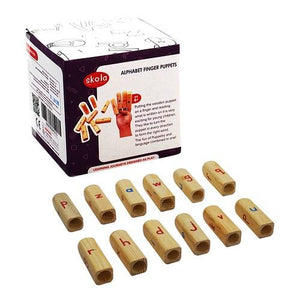
Hindi Alphabets: Creative Play for Kids
Making Hindi alphabets learning a creative and imaginative journey is crucial for holistic child development in India. Research shows that children acquire language more effectively through playful engagement, fostering not just literacy but also cognitive and emotional growth. This approach transforms rote memorization into a joyful discovery, setting a strong foundation for lifelong learning.
Creative Hindi learning is an educational approach that integrates imaginative play, sensory experiences, and hands-on activities to introduce Hindi alphabets. This matters because it moves beyond traditional memorization, engaging multiple senses and fostering a deeper, more enjoyable understanding. Indian parents can implement this by choosing open-ended Montessori materials and creating a stimulating home environment.
Why Creative Hindi Learning Ignites Young Minds
In the vibrant tapestry of Indian childhoods, creativity is not just a skill but a way of life. When children approach Hindi alphabet learning with curiosity and wonder, they are more likely to retain information and develop a genuine love for language. Studies indicate that integrating play into education significantly boosts a child’s engagement and problem-solving abilities, shifting learning from a task to an adventure.
As Forbes India recently highlighted, creativity must move from the margins to the mainstream of learning. This sentiment resonates deeply in Indian households, where academic pressure often looms. By making Hindi learning imaginative, we empower children to express themselves emotionally, as noted by The Times of India on creative activities fostering emotional openness. This holistic approach supports a child's entire personality, not just their linguistic abilities.
Montessori Principles for Imaginative Hindi Alphabet Acquisition
Maria Montessori, a pioneer in child education, firmly believed in learning through experience. For montessori hindi alphabet acquisition, this translates into tangible, self-correcting materials that invite exploration. Rather than simply looking at a letter, a child might trace a sandpaper letter (वर्णमाला) with their finger, feeling its shape and connecting it to its sound. This multi-sensory engagement cements the letter's form and sound in their memory.
Children aged 18-24 months can begin with pre-literacy activities, such as identifying objects whose names start with a particular Hindi sound, often facilitated by their grandparents during storytelling. As they grow, introducing materials like wooden Hindi alphabet puzzles allows them to manipulate and arrange letters, building a foundational understanding of language structure through active participation, rather than passive reception.
Engaging Activities to Learn Hindi Through Play
Transforming Hindi alphabet lessons into exciting play sessions at home can be incredibly simple and effective. Here are a few ideas:
- Alphabet Scavenger Hunt: Hide Hindi alphabet cards around the house and have your child find them, calling out the letter or a word starting with it. This activity combines physical movement with letter recognition, making it an adventurous way to learn Hindi through play.
- Storytelling with Letters: Pick a Hindi letter, say 'क' (ka), and together, weave a story where every character or object starts with 'क' – 'कछुआ', 'कमल', 'कपिल'. This fosters imaginative play hindi and vocabulary expansion simultaneously.
- Playdough Varnmala: Provide playdough and encourage children to roll and form Hindi letters. This strengthens fine motor skills essential for writing and offers a tactile, creative way to interact with the alphabet.
- Festival-Themed Learning: During Diwali, create rangoli patterns with Hindi letters, or during Holi, use coloured water to 'write' letters on a wall. Integrating cultural events makes learning relevant and memorable within an Indian context.
Selecting the Best Hindi Educational Toys for Holistic Growth
Choosing the right hindi educational toys is paramount to supporting creative and imaginative learning. Look for materials that are open-ended, durable, and allow for child-led exploration. SkilloToys.com offers a curated selection of such tools:
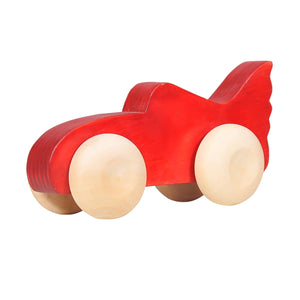
- Wooden Hindi Alphabet Puzzles: These allow children to physically place and remove letters, understanding their shapes and positions. Our puzzles are designed to be tactile and engaging.
- Flashcards with Real-Life Images: Connecting Hindi letters to familiar objects, animals, or foods seen in Indian homes helps children build associations and vocabulary naturally.
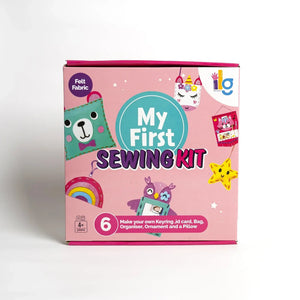
- DIY Activity Kits: Kits that provide materials for creating their own Hindi alphabet books, puppets, or sorting games encourage creativity and ownership over their learning journey. Explore our range of activityKits designed for this purpose.
When selecting toys, remember the importance of empathy and creativity coming to life, as celebrated by initiatives like KidZania India and Magic Bus Foundation. The best educational toys facilitate not just academic learning, but also emotional intelligence and imaginative thinking.
Fostering Imagination Beyond the Alphabets in Indian Homes
The journey of learning Hindi alphabets is just one step in nurturing a truly imaginative child. Encourage open-ended play where children can create their own worlds, tell their own stories, and invent their own games. This sustained engagement with imaginative play hindi extends far beyond language acquisition, impacting their critical thinking, social skills, and emotional resilience.
Parents can dedicate a 'creativity corner' in the home, stocked with art supplies, building blocks, and storytelling props. Join in their play, ask thought-provoking questions, and celebrate their unique creations. This supportive environment, often found in the loving embrace of joint families, ensures that children view learning as a joyous exploration, preparing them not just for school, but for a life rich with innovation and empathy.
- Research confirms that playful engagement is superior for effective Hindi alphabet acquisition over rote memorization.
- Montessori principles, utilizing multi-sensory materials like sandpaper letters, enhance a child's understanding of Hindi alphabets.
- Integrating Hindi alphabet learning into cultural festivals and daily Indian home routines boosts relevance and memorability.
- The selection of open-ended, child-led Hindi educational toys is crucial for fostering imagination and holistic development.
- Encouraging imaginative play beyond direct alphabet learning develops critical thinking and emotional intelligence in children.
- Creative Hindi learning directly supports a child's emotional openness and reduces academic pressure in Indian contexts.
At what age should children start learning Hindi alphabets?
Child development experts suggest that formal introduction to Hindi alphabets can begin around 3-4 years, though pre-literacy skills like sound recognition and fine motor development start much earlier. The key is to introduce learning through play, aligning with a child's natural curiosity and developmental stage.
How can Montessori principles help with Hindi alphabet learning?
Montessori principles advocate for hands-on, multi-sensory learning, making abstract concepts like Hindi alphabets tangible. Materials like sandpaper letters allow children to trace and feel the letter forms, connecting visual, auditory, and tactile experiences for deeper understanding and retention.
What are some simple creative activities for learning Hindi at home?
Simple activities include creating alphabet collages with magazine cutouts, using playdough to form letters, singing Hindi alphabet songs, or drawing letters in sand or rice. These activities engage various senses and make the learning process interactive and enjoyable for young children in an Indian home setting.
Are digital apps effective for teaching Hindi alphabets?
While some digital apps can supplement learning, research indicates that excessive screen time can hinder holistic development. For effective Hindi alphabet acquisition, hands-on activities and direct interaction with materials and caregivers are more beneficial than relying solely on digital tools.
How can I encourage my child's imagination while learning Hindi?
Encourage imagination by weaving Hindi alphabets into storytelling, puppet shows, or role-playing games, where letters become characters or objects. Ask open-ended questions like 'What story does this letter want to tell?' to stimulate creative thinking and deeper engagement beyond mere recognition.