Hindi Alphabets: Creative Ways to Learn for Kids
To introduce hindi alphabets to children in creative and imaginative ways, parents can integrate play-based learning, sensory activities, and real-world interactions. Child development experts agree that engaging multiple senses significantly enhances language acquisition and retention for young learners, making the process joyful and effective for Indian kids.
Creative Hindi alphabet learning involves engaging children through multi-sensory experiences, storytelling, and play rather than traditional memorization. This matters because it nurtures curiosity and a genuine love for language, fostering cognitive development. Indian parents can implement these methods using everyday materials and Montessori principles at home, transforming language lessons into delightful explorations.
Nurturing a Love for Hindi: The Montessori Approach
Maria Montessori's philosophy emphasizes self-directed, hands-on learning, making it perfectly suited for hindi alphabet learning for kids. Rather than rote memorization, children explore letters through touch, sound, and sight. This approach respects the child's natural pace and curiosity, creating a strong foundation for language skills from an early age, which is crucial in a diverse linguistic landscape like India.
By providing a 'prepared environment' at home, parents can offer opportunities for independent discovery. This could mean a dedicated corner with Hindi alphabet charts, small whiteboards, and colorful markers. Such an environment encourages children to interact with the language freely, fostering a sense of ownership over their learning journey, much like the focus on creativity and empathy promoted by initiatives like KidZania India's partnership with Magic Bus Foundation.
Sensory Play with Devanagari Script
Sensory engagement is a cornerstone of effective language acquisition for young children. For creative ways to learn Hindi, encourage your child to trace Hindi letters in sand, salt, or even a tray of rice. This tactile experience helps them internalize the unique curves and strokes of the Devanagari script, building muscle memory before they even pick up a pencil.
Another wonderful activity involves finger painting Hindi letters or molding them with clay. These activities are not only fun but also build fine motor skills essential for writing. Imagine the joy on your child's face as they create a vibrant 'क' (ka) or a swirly 'ग' (ga) with their own hands, a tangible achievement they can proudly share with their grandparents.
Engaging Activities for Hindi Alphabet Learning for Kids
Integrating learning into daily routines and play makes it much more appealing than structured lessons. Children learn best when they are actively involved and enjoying themselves. For Indian parents navigating busy schedules, these activities can be seamlessly woven into family time, turning ordinary moments into extraordinary learning opportunities.
Research shows that children who engage in play-based learning develop stronger problem-solving skills and higher academic achievement. When learning Hindi becomes an adventure rather than a chore, children are more likely to retain information and develop a genuine enthusiasm for the language, which is increasingly vital for success in India's multicultural society.
Storytelling and Rhymes for Hindi Letters
Stories and rhymes are powerful tools for language learning, especially for the nuanced sounds of Hindi. Create simple stories around each letter, associating them with familiar objects, animals, or even family members. For instance, 'अ से अनार' (A se Anaar - pomegranate) can become a fun story about a little bird eating a delicious pomegranate.
Singing traditional Hindi nursery rhymes or making up new ones that highlight specific letters can also be highly effective. The rhythmic repetition helps children memorize letter sounds and associate them with their visual forms. This communal activity is perfect for joint families, where older siblings or grandparents can join in, making it a cherished bonding experience.
Fun Ways to Teach Hindi Letters: Integrating Daily Life
Learning doesn't just happen in a dedicated classroom; it thrives in everyday moments. Look for opportunities to point out Hindi letters in your environment – on signboards, newspaper headlines, or product packaging at the grocery store. This makes Hindi feel relevant and alive, showing children its practical application beyond textbooks.
Involve your child in creating a 'Hindi Word Wall' at home using flashcards or handmade posters. Each week, add new words starting with a particular letter, complete with pictures. This visual aid reinforces recognition and encourages independent exploration, transforming a wall into an interactive learning space.
Crafting Your Own Hindi Learning Resources
Creating your own learning materials can be incredibly rewarding and tailored to your child's interests. Simple household items can be transformed into effective teaching aids. For example, cut out Hindi letters from old magazines and have your child glue them onto a chart, or use bottle caps to create a matching game for letters and corresponding pictures.
SkilloToys offers a range of activityKits and puzzles that can complement these DIY efforts, providing high-quality, durable materials designed for engaging exploration. These resources can reinforce letter recognition and sound association, making learning both playful and impactful.
Why Creative Learning Matters for Indian Children
In a country as linguistically rich as India, fostering a love for languages like Hindi from an early age is invaluable. It not only connects children to their cultural roots but also equips them with enhanced cognitive abilities. Studies indicate that early exposure to multiple languages enhances cognitive flexibility and creativity, preparing children for a globalized future while rooting them in their heritage.
Creative learning also reduces the pressure often associated with academic performance in Indian households. By making language acquisition a joyful journey, parents can alleviate stress and promote a positive attitude towards learning, ensuring that children view Hindi as an exciting discovery rather than a daunting task. This approach aligns perfectly with the foundational principles of SkilloToys' Montessori method learning materials and toys.
Encouraging creativity and imagination in learning Hindi empowers children to be active participants in their education. It cultivates critical thinking, problem-solving skills, and a deeper appreciation for their mother tongue and national language. This holistic development is key to raising well-rounded, confident individuals who are proud of their identity and eager to explore the world.
- Engaging multiple senses significantly enhances a child's ability to learn Hindi alphabets effectively.
- The Montessori approach, focusing on hands-on and self-directed exploration, is highly beneficial for early Hindi language acquisition.
- Sensory activities like tracing letters in sand or molding them with clay build muscle memory and fine motor skills.
- Integrating Hindi alphabet learning into daily life and family routines makes the process relevant and enjoyable for children.
- Stories, rhymes, and creating personalized learning materials are powerful tools for fostering a love for the Hindi language.
- Creative learning methods reduce academic pressure and promote cognitive flexibility and cultural connection in Indian children.
Is it beneficial for children to learn Hindi alphabets early?
Yes, early exposure to Hindi alphabets offers significant cognitive advantages, enhancing language acquisition and cultural connection. Research shows that bilingualism from a young age supports brain development, fostering greater cognitive flexibility and problem-solving skills in Indian children.
What are the most effective creative ways to teach Hindi letters?
The most effective creative ways involve multi-sensory engagement, such as tracing letters in sand, singing alphabet songs, and storytelling. Incorporating art, movement, and practical life activities makes learning interactive and memorable for children, aligning with their natural curiosity.
How can Montessori principles be applied to Hindi alphabet learning?
Montessori principles advocate for hands-on, self-directed learning using specially designed materials. For Hindi, this means using sandpaper letters, tactile boards, or letter-matching puzzles that allow children to explore and master each character at their own pace in a prepared environment.
What kind of materials are best for Hindi learning activities for kids?
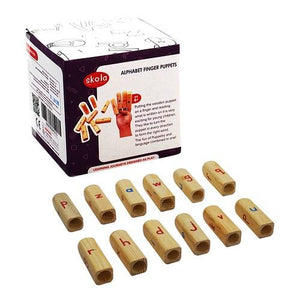
Materials that engage multiple senses are best, including clay, sand, paint, large chalkboards, and interactive books. High-quality wooden puzzles, educational charts, and activityKits designed for language development are also highly effective tools for learning Hindi alphabets.
How do I maintain my child's interest in learning Hindi alphabets?
Maintain interest by keeping learning playful, incorporating Hindi into daily conversations, and celebrating small achievements. Rotate activities, introduce new resources like engaging puzzles, and involve family members, especially grandparents, to make Hindi learning a cherished shared experience.