Hindi Alphabets: Montessori Path to Creative Learning
Learning hindi alphabets creatively through the Montessori method empowers children with a deep, intuitive understanding, fostering both literacy and imagination from an early age. This approach allows children to explore sounds and shapes actively, transforming rote memorization into joyful discovery and building a strong foundation for language acquisition.
This unique method resonates deeply with the current focus on nurturing well-rounded individuals, much like KidZania India and Magic Bus Foundation's recent initiatives to bring empathy and creative expression to life for children. By fostering an environment where curiosity thrives, Montessori education encourages children to think, imagine, and connect, not just with language, but with the world around them.
Creative Hindi learning, within a Montessori framework, is an educational approach that prioritizes hands-on exploration and self-directed discovery over traditional rote methods. This matters because it cultivates critical thinking and problem-solving skills alongside linguistic proficiency. Indian parents can actively foster this by providing a prepared environment with stimulating materials.
The Montessori Philosophy: Nurturing Creativity with Hindi Alphabets
The Montessori philosophy firmly asserts that every child possesses an innate creative potential, waiting to be gently guided and expressed. When applied to learning Montessori Hindi alphabets, this means moving beyond repetitive drills to embrace a holistic, child-centred approach.
Dr. Maria Montessori observed that children thrive in a 'prepared environment' where they have the freedom to choose activities and learn at their own pace. This self-directed exploration fosters concentration and a deep love for learning, crucial for mastering a new script like Hindi. Research shows that children engaged in self-chosen activities demonstrate higher levels of motivation and retention.
In an Indian home, this prepared environment could be a dedicated corner with inviting materials, allowing a child to engage with Hindi letters alongside a grandparent sharing stories, making learning a beautiful family experience. It shifts the focus from 'teaching' to 'facilitating discovery,' celebrating each small breakthrough.
Essential Montessori Materials for Creative Hindi Learning
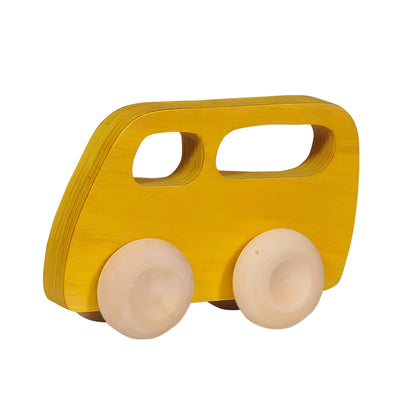
Montessori education shines through its carefully designed materials, which are tactile, self-correcting, and aesthetically pleasing, making them ideal for Montessori educational toys Hindi. These tools transform abstract concepts into concrete experiences, crucial for young learners grasping the intricacies of the Devanagari script.
Consider the Sandpaper Letters, a classic Montessori material where children trace the form of each Hindi letter with their fingers, engaging both visual and tactile senses. This multi-sensory input significantly enhances memory and understanding, helping children internalise letter shapes long before they pick up a pencil. Similarly, Movable Alphabets allow children to construct words independently, fostering early reading and writing skills through playful exploration.
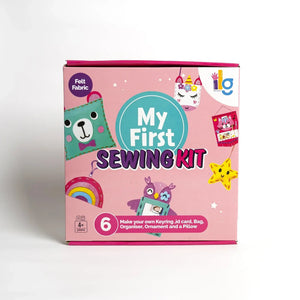
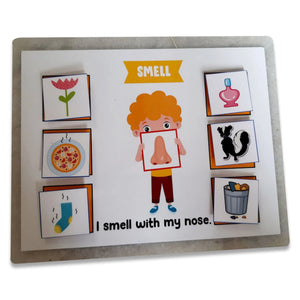
Incorporating activityKits and puzzles specifically designed for Hindi letter recognition further enriches this experience. These materials not only aid in learning letter forms but also encourage creative problem-solving and fine motor development, preparing children for school while sparking their imagination.
Practical Hindi Alphabet Activities for Creative Minds
Beyond traditional materials, engaging in diverse Hindi alphabet activities Montessori style can unlock incredible creative potential. These activities encourage children to interact with letters in imaginative ways, making the learning journey joyful and memorable.
One powerful technique is creating sensory bins filled with rice or sand, where children can 'find' and trace Hindi letters, or even sculpt them. This provides a rich tactile experience that reinforces letter recognition and promotes imaginative play. Another wonderful approach involves storytelling; children can pick out specific Hindi letters and weave narratives around objects or characters starting with those sounds, linking language to creativity.
Parents can also integrate art into learning, encouraging children to draw pictures that begin with a specific Hindi letter or to decorate letter outlines with colours and textures. Such creative Hindi learning methods ensure that Hindi letter recognition creativity blossoms naturally, turning every letter into a canvas for expression.
The Role of the Parent (and Grandparent!) in Creative Hindi Alphabet Learning
In the Montessori framework, the adult's role is not to dictate but to observe, prepare, and guide. For Indian parents and grandparents, this means creating a supportive home environment that sparks a child's curiosity about hindi alphabets without pressure. Observing your child's interests and readiness is key; if they are fascinated by a certain letter, provide more opportunities for them to explore it.
Engage in conversations about the letters, perhaps pointing out Hindi words during festivals or while reading a favourite storybook. Grandparents, with their wealth of stories and traditional songs, can become invaluable partners, naturally introducing vocabulary and cultural context that brings the language to life. Child development experts agree that a supportive, engaging home environment is paramount for language acquisition.
Empower your child with choices from a selection of prepared activities, trusting their inner guide to lead their learning journey. This collaborative approach fosters independence, builds confidence, and transforms the learning of Hindi alphabets into a cherished bonding experience within the family, aligning with the spirit of collaborative learning and community spirit.
- Montessori methods cultivate creativity in Hindi alphabet learning by prioritizing hands-on, self-directed exploration.
- The prepared environment, rich with multi-sensory materials, is crucial for engaging children with the Devanagari script.
- Sandpaper letters and movable alphabets are foundational Montessori tools for tactile and imaginative Hindi letter recognition.
- Integrating Hindi alphabet activities like sensory bins and creative storytelling fosters deeper understanding and expression.
- Parents and grandparents play a vital role in creating a supportive, choice-rich home environment for Hindi language acquisition.
- Studies indicate that multi-sensory learning significantly enhances memory retention and motivation in young language learners.
Why is the Montessori method effective for learning Hindi alphabets?
The Montessori method is effective because it uses multi-sensory materials and child-led exploration, allowing children to physically engage with Hindi alphabets. This hands-on approach builds a deeper, more intuitive understanding of letter shapes and sounds, making learning memorable and enjoyable.
What age is best to start introducing Hindi alphabets with Montessori materials?
Children can typically begin exploring Hindi alphabets with Montessori materials around 3 to 4 years of age, aligning with their sensitive period for language. Early exposure through play helps foster natural curiosity and prepares them for reading and writing without pressure.
How do Montessori materials foster creativity in Hindi letter recognition?
Montessori materials foster creativity by encouraging open-ended exploration and self-expression. For example, movable alphabets allow children to spontaneously form words and stories, while sandpaper letters engage tactile senses, transforming letter recognition into an artistic and imaginative process.
Can I integrate Montessori Hindi alphabet learning into our daily Indian family routine?
Yes, you absolutely can integrate it naturally by labeling household items in Hindi, singing Hindi rhymes, or having grandparents share stories. Connecting letters to familiar objects and family interactions makes learning Hindi alphabets a beloved part of daily life.
Are Montessori Hindi alphabet activities suitable for children with different learning styles?
Montessori activities are highly adaptable and cater to diverse learning styles through their multi-sensory nature. Whether your child is a visual, auditory, kinesthetic, or tactile learner, the prepared environment and varied materials ensure an inclusive and effective learning experience for Hindi alphabets.