Indian Sustainable Toy Brands for Creative Play
Parents in India increasingly seek thoughtful play solutions, and discovering the best Indian sustainable toy brands is key to fostering creativity and imagination. These innovative brands, highlighted recently in publications like The Better India, are revolutionizing children's play by offering eco-friendly, locally made options that resonate deeply with our cultural values and developmental goals for young minds.
Thoughtful, sustainable play involves engaging with toys crafted from natural, non-toxic materials designed to last and encourage open-ended exploration rather than passive consumption. This approach matters immensely as it nurtures a child's inherent curiosity, problem-solving skills, and respect for the environment. Indian parents can empower their children's development by choosing toys that offer rich, meaningful experiences.
Nurturing Young Minds with Eco-Friendly Indian Toys
Research consistently shows that open-ended play is fundamental for cognitive and social-emotional development. When children interact with eco-friendly Indian toys, they are not just playing; they are building foundational skills like critical thinking, problem-solving, and spatial reasoning. These materials, often inspired by Montessori principles, encourage independent discovery and sustained engagement, crucial for brain development.
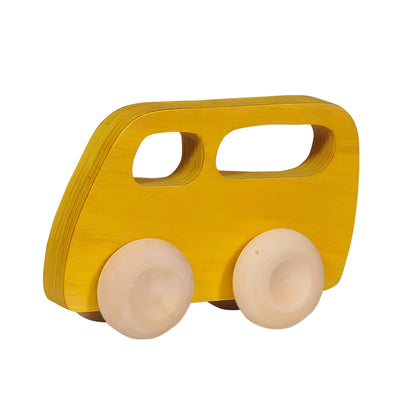
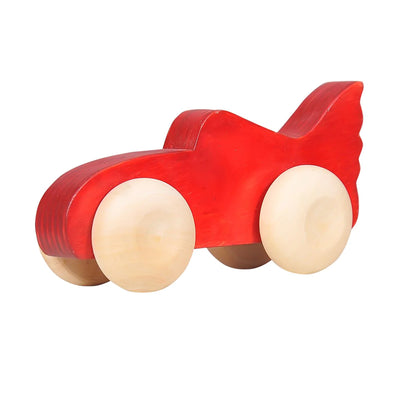
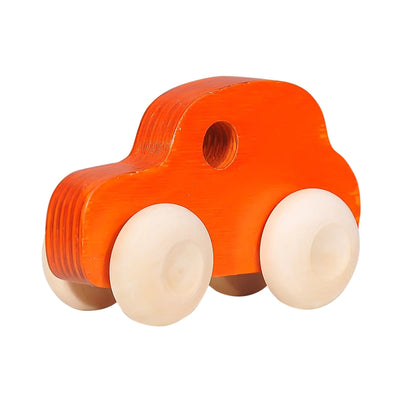
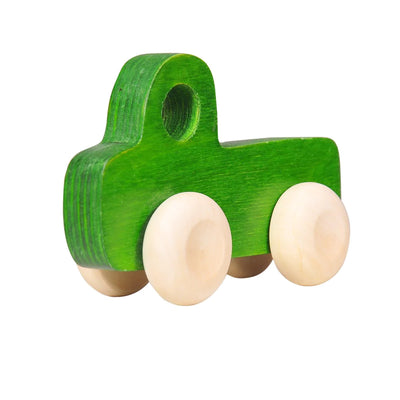
The beauty of these locally crafted treasures lies in their simplicity and versatility. Unlike many mass-produced plastic items, sustainable toys invite children to imagine narratives and scenarios, from building a bustling Indian market with wooden blocks to creating intricate patterns with traditional puzzles. This process of self-directed play significantly enhances a child's creative capabilities and imagination.
Celebrating Creativity with Made in India Toys for Imaginative Play
The 'Made in India' movement for toys is more than just about local manufacturing; it's a resurgence of traditional craftsmanship blended with modern pedagogical understanding. This initiative directly contributes to a child's creative growth by offering culturally relevant and thoughtfully designed playthings. Child development experts agree that toys reflecting a child's immediate environment and culture enhance their engagement and sense of identity.
For instance, many Made in India toys for creativity feature vibrant colors and motifs found in Indian art forms, making them instantly appealing and relatable for children growing up in Indian homes. The recent partnership between Crayola and Luxor to expand hands-on creative tools in India further underscores the growing recognition of how vital localized resources are for fostering imagination and joy in our children.
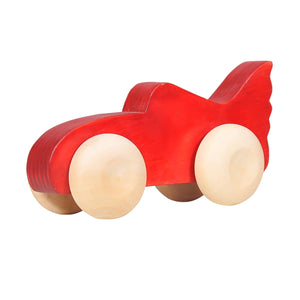
Grandparents often recount tales of simple, imaginative play with natural elements. Today's sustainable brands echo that sentiment, offering materials like non-toxic wooden blocks, organic cotton dolls, and natural clay modeling kits. These toys provide the sensory experiences and creative freedom essential for children aged 18-24 months and beyond, much like the famous Montessori Pink Tower or Sandpaper Letters foster specific skills.
Montessori Sustainable Toys India: Nurturing Independent Learners
A significant segment of Montessori sustainable toys India focuses on materials that are self-correcting, encourage concentration, and build practical life skills. These are not merely playthings but tools for development, meticulously designed to meet a child at their developmental stage. Such brands prioritize quality craftsmanship and the use of sustainable wood, natural dyes, and safe finishes, ensuring durability for generations of play within a joint family setting.
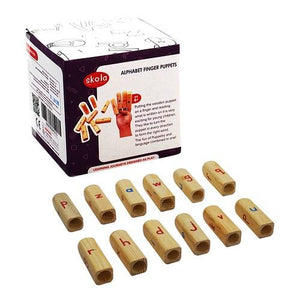
These thoughtfully designed toys align with Maria Montessori's philosophy, emphasizing active learning through exploration. For instance, brands offering a variety of activity kits focused on fine motor skills, practical life exercises, or sensory exploration provide children with purposeful engagement. This structured freedom allows children to develop self-discipline and an intrinsic love for learning.
Thoughtful Toys India: Beyond the Screen, Into Imagination
The rise of thoughtful toys India reflects a collective parental desire to steer children away from excessive screen time and towards more meaningful interactions. These brands offer a compelling alternative, providing engaging play experiences that stimulate all senses and challenge children creatively. Studies indicate that children who engage in imaginative play develop superior language skills and emotional regulation compared to those primarily exposed to digital entertainment.
Choosing thoughtful toys also models responsible consumerism for children, teaching them the value of quality over quantity and the importance of sustainability. This approach prepares them not just for academic success but also for becoming conscious citizens, echoing the values many Indian families uphold regarding resourcefulness and community well-being.
By thoughtfully choosing Indian sustainable toy brands, parents provide their children with more than just playthings; they offer a gateway to deeper learning, cultural appreciation, and a mindful connection with the world around them. SkilloToys.com is committed to supporting this journey by offering a curated selection of Montessori-inspired educational toys that champion both creativity and sustainability for every Indian child.
- Indian sustainable toy brands are pivotal for fostering creativity and imagination in children.
- Eco-friendly toys support crucial developmental skills like critical thinking and problem-solving through open-ended play.
- The 'Made in India' movement for toys merges traditional craftsmanship with educational principles, offering culturally relevant play.
- Montessori-aligned sustainable toys emphasize self-correction, concentration, and practical life skills, crucial for independent learning.
- Choosing thoughtful toys reduces screen time, enhances imaginative play, and instills values of sustainability and responsible consumption.
- Research confirms that engaging with sustainable, open-ended toys significantly boosts a child's cognitive and social-emotional growth.
Why should Indian parents prioritize sustainable toys?
Indian parents should prioritize sustainable toys because they offer safe, non-toxic play materials and align with traditional values of resourcefulness and respect for nature. These toys also promote deeper engagement and creativity, fostering holistic child development away from excessive plastic waste.
How do sustainable toys foster creativity and imagination?
Sustainable toys typically feature open-ended designs and natural materials that encourage children to invent their own games, stories, and solutions. This freedom from prescribed play empowers their imagination and develops innovative thinking, essential for creative growth.
Are 'Made in India' sustainable toys as good as international brands?
'Made in India' sustainable toys are often superior due to their adherence to high-quality craftsmanship, use of local, natural materials, and designs rooted in Indian cultural contexts. Many also integrate globally recognized educational philosophies like Montessori, making them highly effective developmental tools.
What age group benefits most from Montessori sustainable toys?
Montessori sustainable toys benefit children from infancy through elementary school, with specific materials designed for different developmental stages. They are particularly effective for toddlers (18-36 months) and preschoolers (3-6 years) in building foundational skills, concentration, and independence.
Where can I find reliable Indian sustainable toy brands?
You can find reliable Indian sustainable toy brands through curated online stores like SkilloToys.com, which specializes in Montessori-aligned and eco-friendly educational toys. Look for brands that clearly state their material sourcing, safety certifications, and commitment to sustainable practices.